


Style tips for women over 40 should help you enjoy your clothes, not make you question whether you are still “allowed” to wear them.
You may reach a point when some of your usual outfits no longer come together as easily as they once did. Nothing looks obviously wrong.
But when you get dressed, the outfit still does not feel quite right.
That is often a styling problem, not an age problem.
A different top length, a better fabric, or a simple change of shoes may be enough. You can also make casual outfits for women over 40 feel more intentional by balancing the proportions or adding one polished piece.
If you are wondering how to look stylish after 40, begin with the clothes you own.
These are the small changes I use when an outfit does not fit well, feels dated, or simply needs something more.
Fashion over 40 can still be fun, current, and completely personal. Keep the ideas that work for you and leave the rest.

1. Start With Fit, Not Age
A good fit will do more for your outfit than any rule about what women over 40 should or should not wear.
You can wear a trendy dress, an expensive blazer, or the “perfect” pair of jeans, but none of that matters if the garment does not sit properly on your body.
Wear the size that fits you today.
I know it can feel frustrating when your usual size no longer works, but the number on the label disappears once you get dressed. Sizing changes so much between brands that becoming attached to one number only makes shopping harder.
Pay more attention to the garment itself.
Pulling across the bust or hips usually means you need more room. Bunching around the waist, sagging at the seat, or sleeves that restrict your movement can make even a beautiful piece feel wrong.
Fitted clothing should follow your shape without digging in or requiring constant adjustment.
Relaxed clothing should give you room without swallowing your entire body.
Your body, lifestyle, and preferences may change, but that does not mean you need a completely different style.
Sometimes you only need to stop dressing for a size and start dressing for the fit you can actually see.
2. Make Sure Your Bra Is Doing Its Job
Sometimes the problem is not the top or dress.
The bra underneath it may be changing how the entire garment sits.
The right support can improve the way a shirt falls, help a dress sit properly at the waist, and stop a blazer from pulling across the front.
Try the top with another bra before you decide it fits badly. Better support may change how the fabric sits across your bust, waist, and neckline.
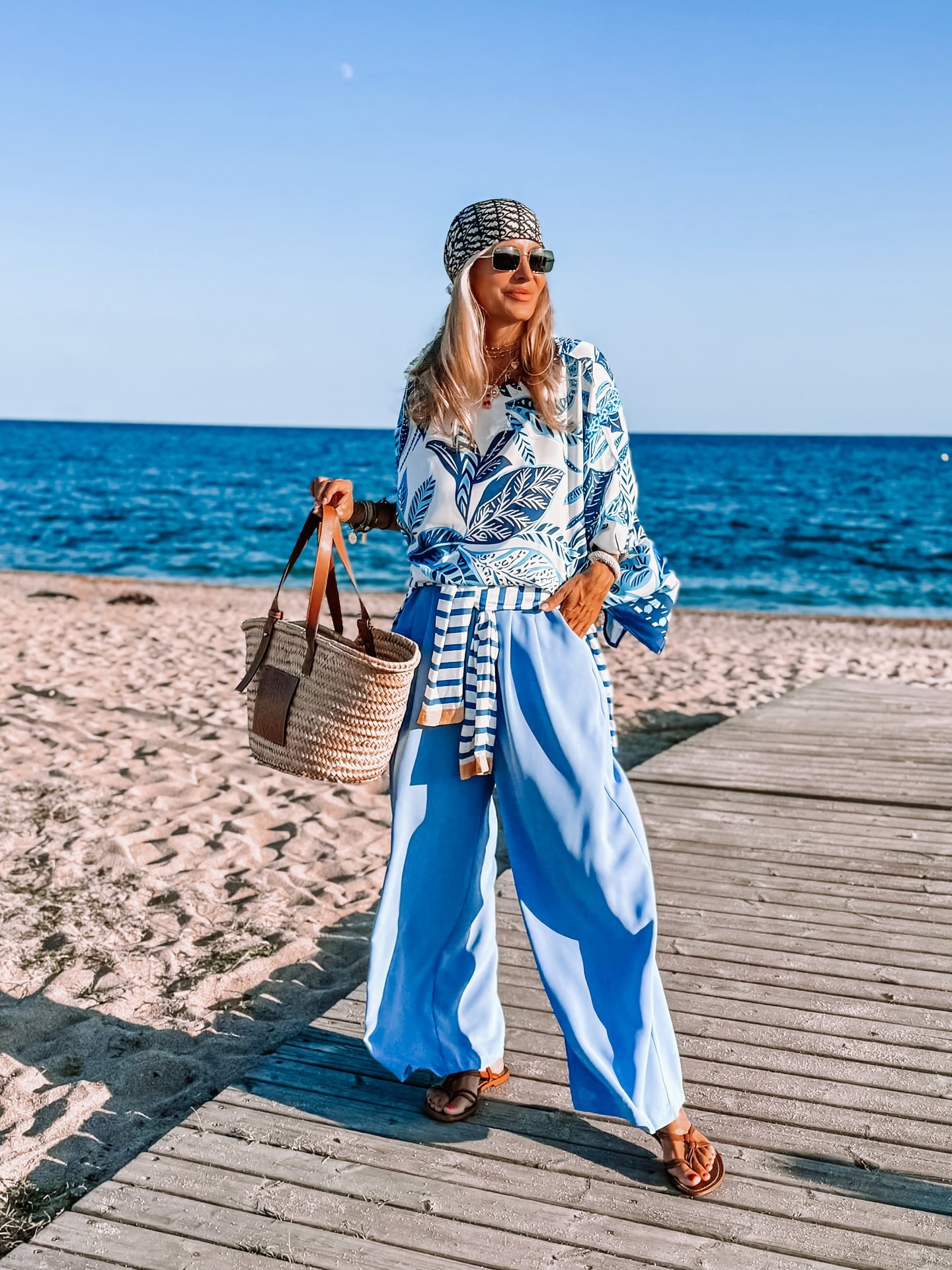
Bra sizes also vary between brands and can change over time. The size you bought for years may no longer feel as comfortable as it once did.
No single brand will work for everyone, but there are a few I would try first.
If you do not know where to begin, I would start with Wacoal.
The brand has supportive everyday bras that still look nice under fitted clothes. They cost more than many Amazon options, but this is one area where paying a little more can make sense if you wear the bra often.
Natori is a good place to look for smoother styles under fitted tops and dresses.
Chantelle is more expensive, but it has some beautiful options when you want support without a bra feeling too heavy.
Glamorise is also worth knowing about if you have a fuller bust or need a larger band size. You can find many of its wired and wireless bras on Amazon too.
I would not order several random bras just because they have good reviews. Start with one or two styles from a retailer that offers easy returns, then pay attention to which shape works best on your body.
3. Pay Attention to Fabric and Drape
Two tops can have almost the same cut and still look completely different once you put them on. The fabric decides whether the top follows your shape gently, sticks to certain areas, or stands away from your body.
I usually prefer fabric that skims rather than clings. It can still show your shape, but it does not settle into every line or require constant adjusting.
Very thin knits often reveal the outline of your bra, waistband, and anything underneath.
At the other extreme, very stiff fabric may add volume you never asked for.
This happens with some boxy shirts, thick cotton dresses and jackets that hold their shape too firmly.
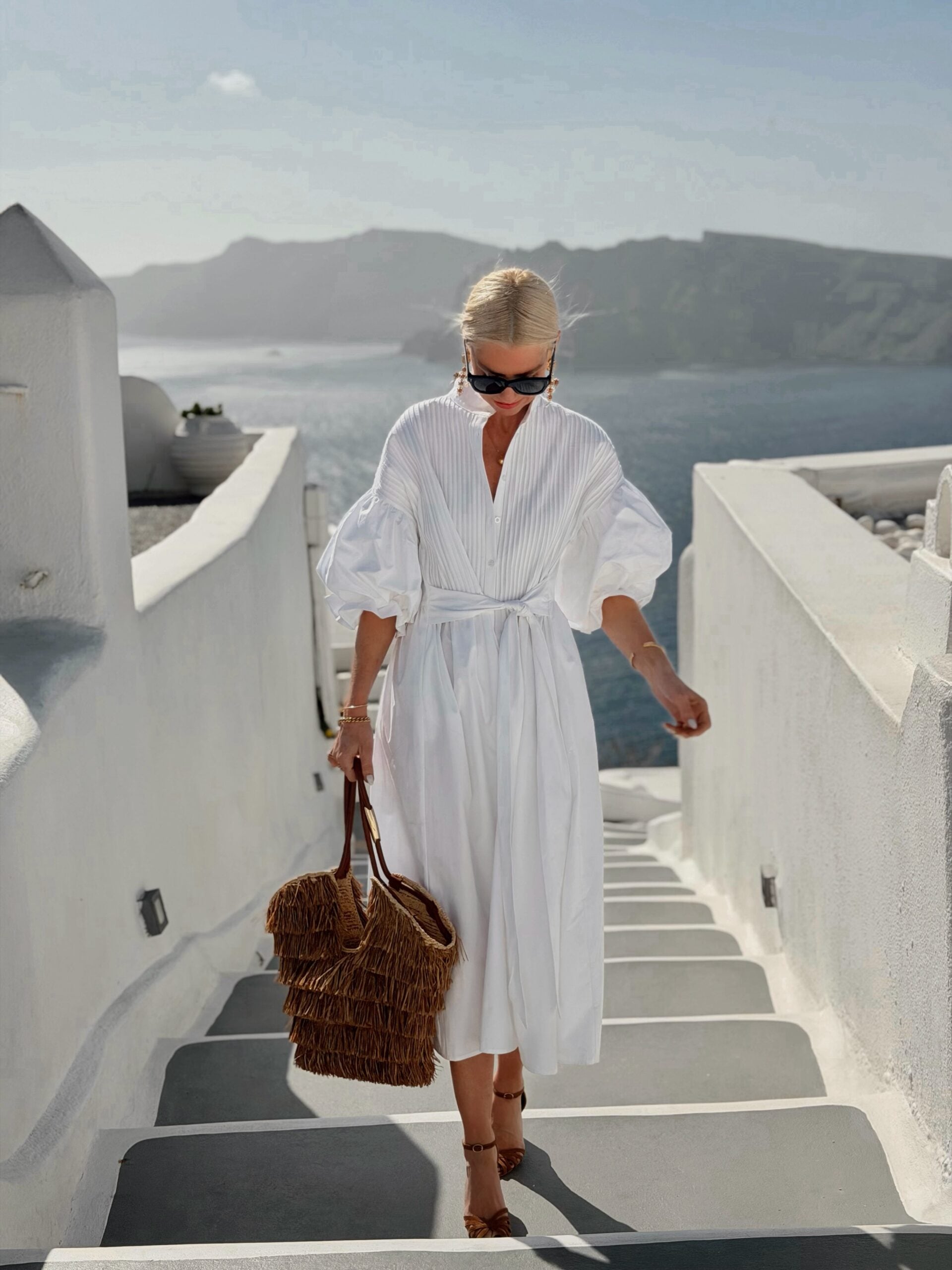
Shine changes the effect too.
Satin, metallic fabric and glossy knits reflect light, so they naturally draw more attention. That can be exactly what you want, especially when the rest of the outfit stays simple.
A little structure can also help softer pieces look more intentional.
You might wear a fluid blouse with tailored trousers or add a structured blazer over a soft dress.
This is the soft-versus-structured part of my Balance Formula. When one piece feels soft and relaxed, something with more structure can bring the outfit back into balance.
4. Notice Where Your Top Ends
The length of your top can change the proportions of your entire outfit.
Sometimes the trousers fit well, and the shoes look right, but the outfit still feels slightly off. The top may simply end at an awkward place.
A top that finishes at your waist works well with high-rise jeans, skirts and wide-leg trousers because it shows the shape of your waist.
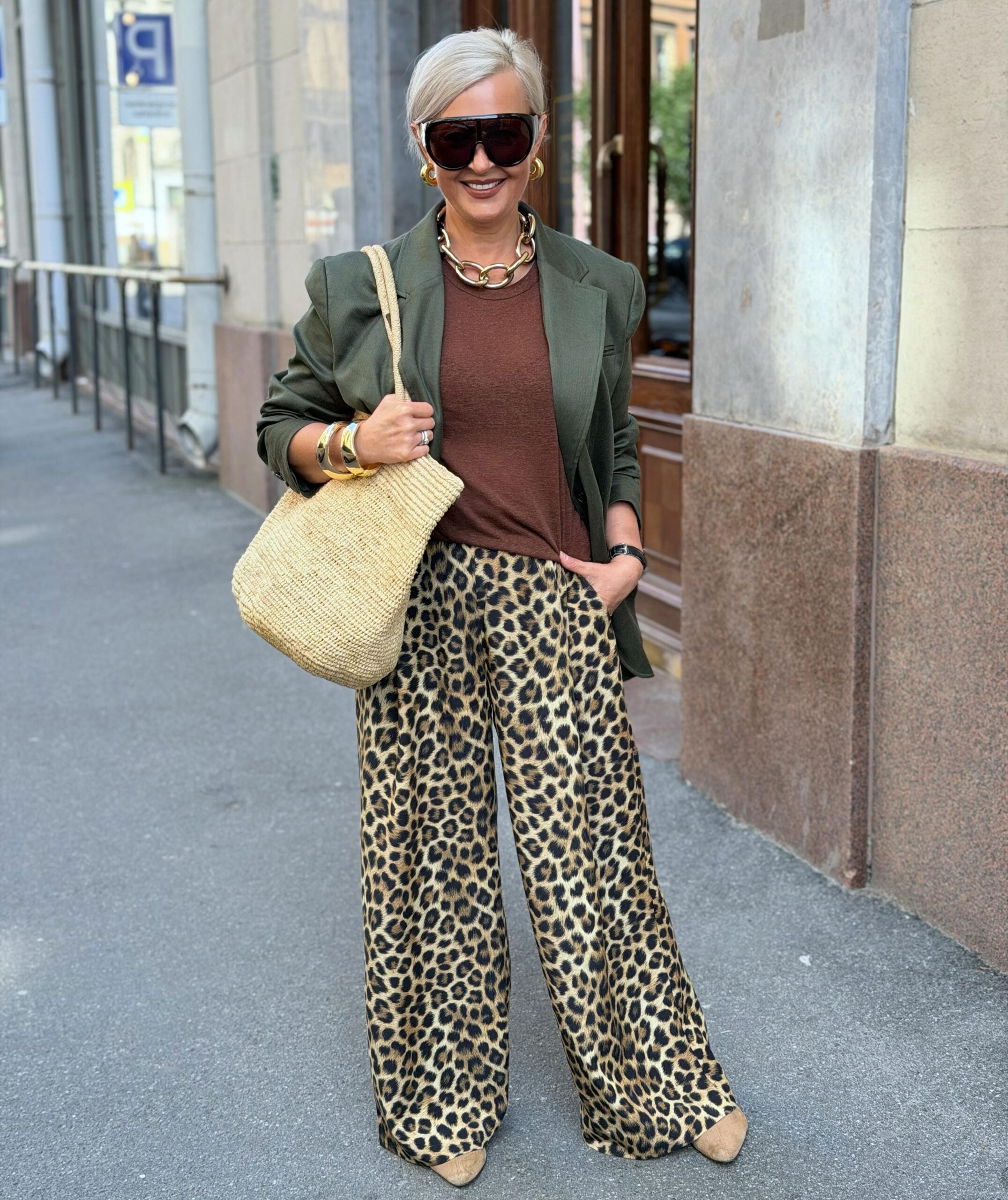
If cropped tops are not for you, look for one that meets the waistband without exposing your stomach.
Tops that end around the high hip are easy to wear with straight-leg jeans and trousers.
Be careful with tops that stop at the widest part of your hips. That horizontal line can draw more attention to the area, especially when the fabric is stiff or the color contrasts with your bottoms.
Longer tops can look great with leggings, slim trousers and narrow jeans. Make sure the fabric has enough movement to skim your body.
A long, boxy top made from stiff fabric can make the whole outfit feel heavier.
You can also change the length without buying a different top.
A full tuck shows your waist and creates a clean line.
A French tuck gives you some definition at the front while leaving the sides and back relaxed.
Leaving the top untucked may feel more comfortable and look just as polished when the hem falls in a flattering place.
Tucking is an option, not a rule. If you feel better with your top untucked, wear it that way. My guide to where a flattering top should end has more examples to help you find the lengths and shapes that work for you.
5. Balance Fitted and Relaxed Pieces
When an outfit feels shapeless, look at how many loose pieces you are wearing together.
A relaxed shirt, wide trousers, and an oversized jacket can all look beautiful on their own. Together, they may hide every bit of shape and overwhelm your frame.
This is where the fitted-versus-oversized part of my Balance Formula comes in.
You balance a roomier piece with something that shows more of your natural shape.
Wear a relaxed shirt with straight or slim jeans.
Pair a fitted knit with wide-leg trousers.
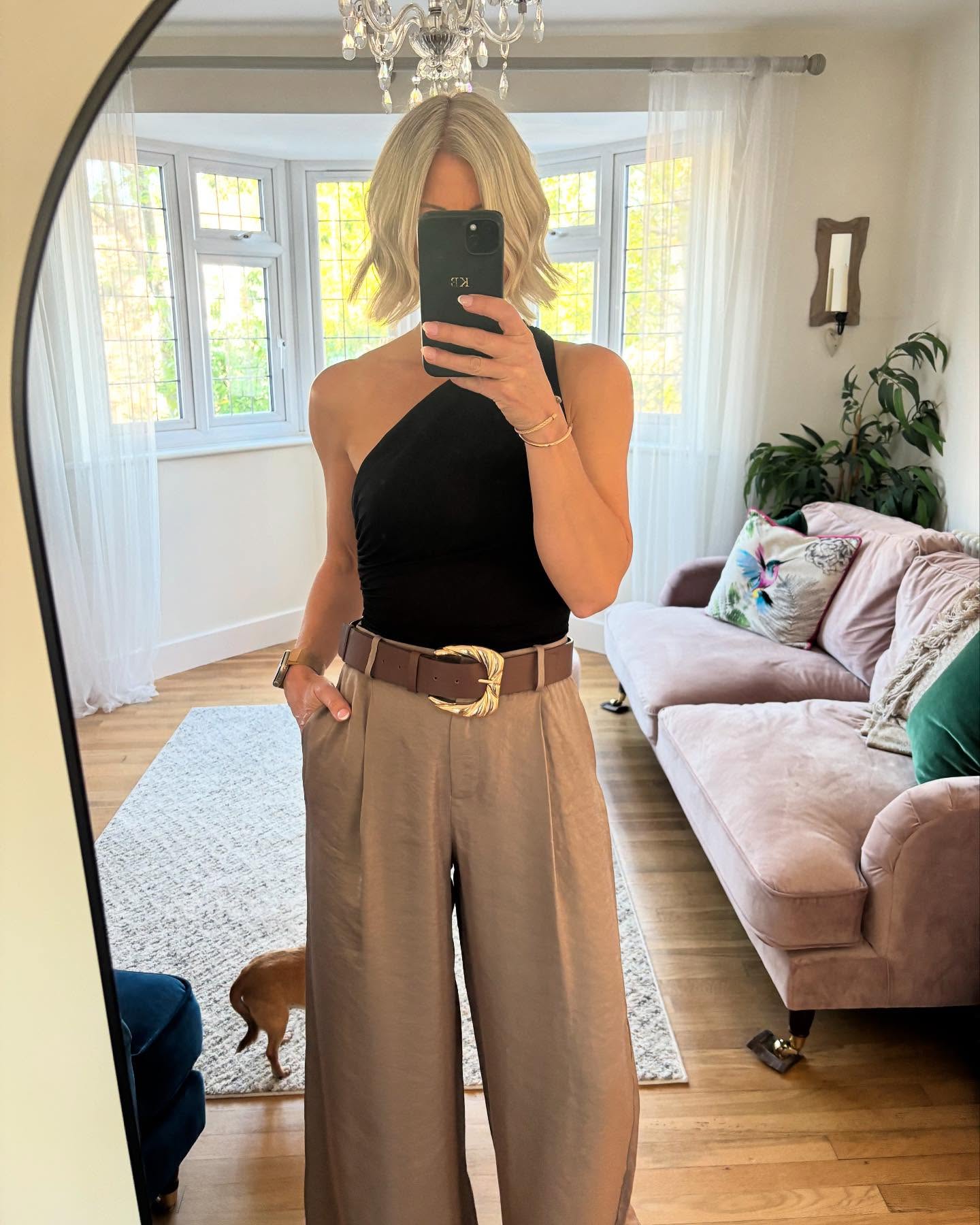
If you love an oversized blazer, keep the layer underneath simple and closer to the body.
You can give a loose dress more definition with structured shoes, a substantial handbag, or a jacket with a clear shoulder line.
Fitted does not have to mean tight.
A fitted piece can follow your shape without pulling or clinging.
You do not need to use this formula for every outfit.
Wear loose pieces together when you love the result. But when an outfit feels heavy or seems to swallow you, changing the fit of just one piece can bring it back into balance.
6. Mix Casual and Polished Pieces
You do not need to dress formally to look put together.
In fact, an outfit made entirely from polished pieces can feel too serious for everyday life. An outfit made only from casual pieces may feel unfinished.
Most of my favorite everyday outfits have a little of both.


Wear your favorite jeans with a blazer instead of saving the blazer for work.
Add sneakers to tailored trousers.
Pair a satin skirt with a simple knit, or wear a relaxed sweatshirt under a structured coat. Even a basic T-shirt looks more intentional with loafers and a good handbag.
This is the casual-versus-polished part of my Balance Formula. One polished piece can lift an everyday outfit, while one casual piece can make dressier clothes feel more natural.
Start with the clothes you already wear.
You do not need a completely new wardrobe to look stylish after 40. Try the blazer with jeans or the tailored trousers with sneakers before buying anything new.
You can see exactly how I use this idea in these casual fall outfits for women over 40, where small changes in shoes, jackets, proportions, and accessories do most of the work.
7. Find the Rise That Feels Best on You
Fashion advice often treats one trouser rise as the answer for everyone. Bodies do not work that way.
A high rise can define your waist and work beautifully with tucked tops, but it may feel restrictive if you have a shorter torso or carry more fullness through your stomach.
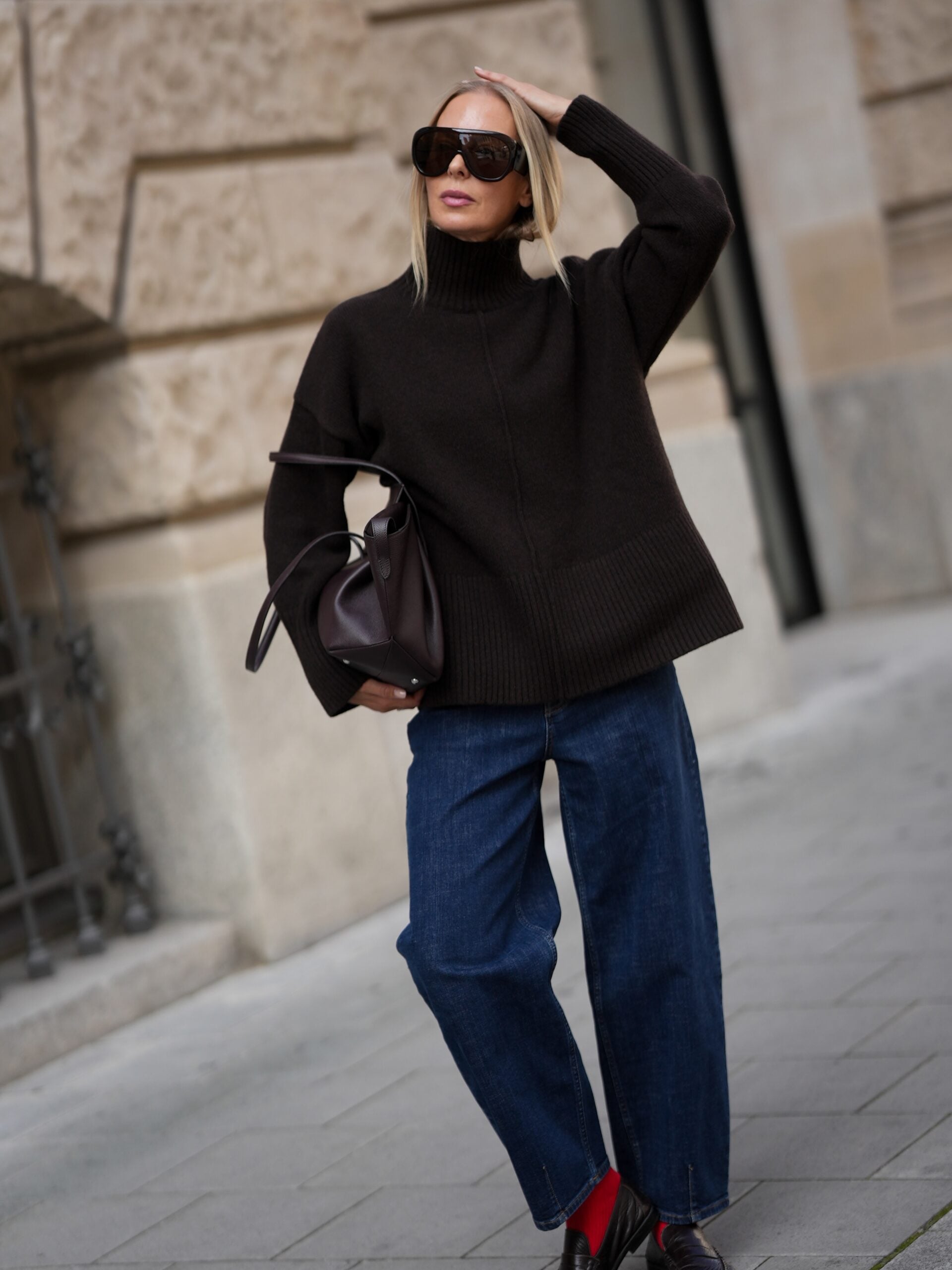
A mid-rise often gives you support without coming too far up the body.
A lower rise can feel comfortable if you have a straighter shape or a longer torso.
The waistband should stay in place without digging, rolling, or creating a gap at the back.
Sit down before deciding that a pair fits. Walk around and bend in them too. If the waistband starts digging in or the trousers slide down, leave them behind.
Jeans that only work while you stand still will not earn much time in your wardrobe.
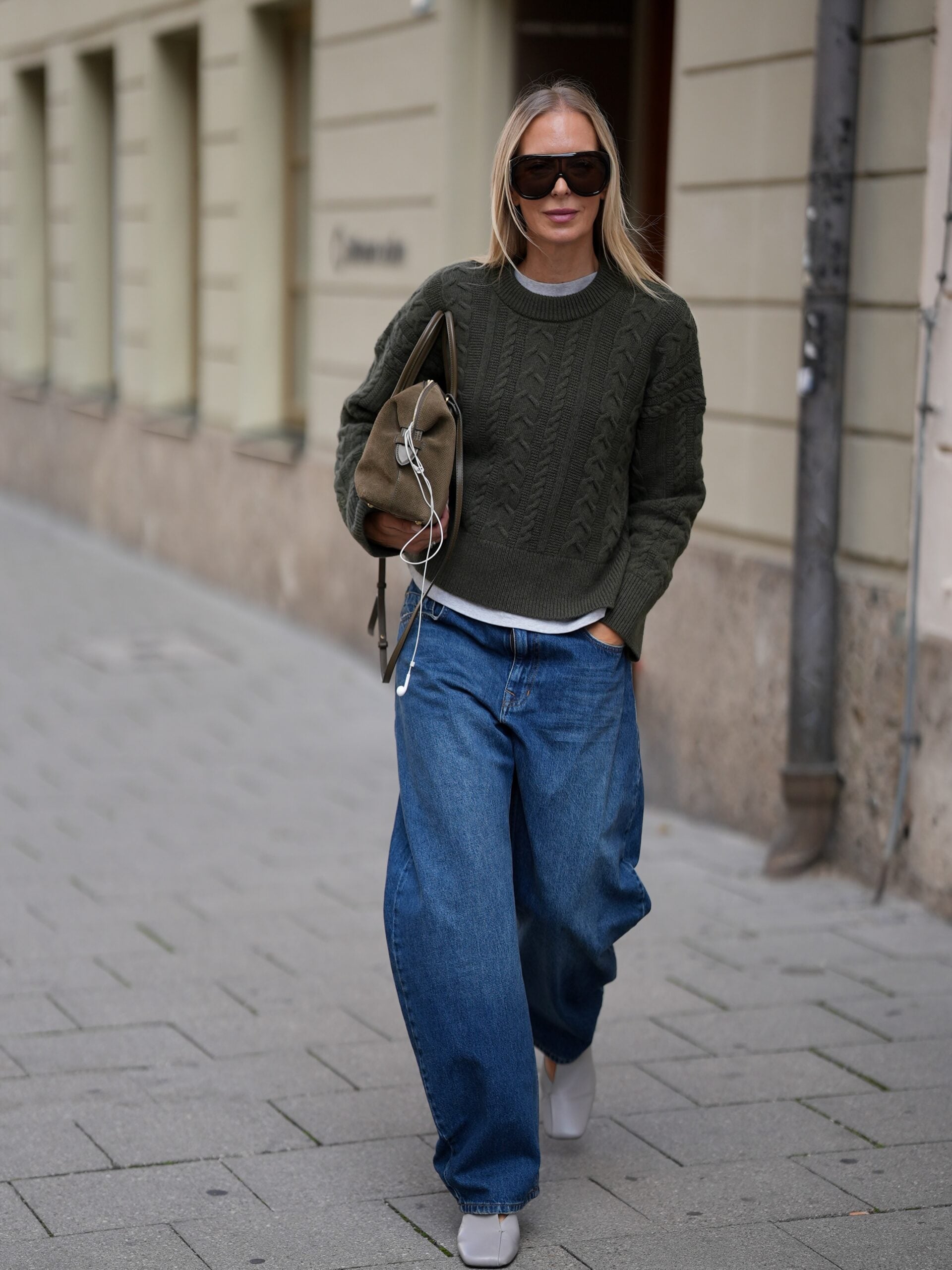
Ignore the rise printed on the label for a moment and notice where the waistband actually sits on your body. That tells you far more than the description on the website.
8. Highlight Something You Love
Most style advice focuses on hiding things.
Hide your stomach. Cover your arms. Make your hips look smaller. After a while, getting dressed can start to feel like one long attempt to disappear.
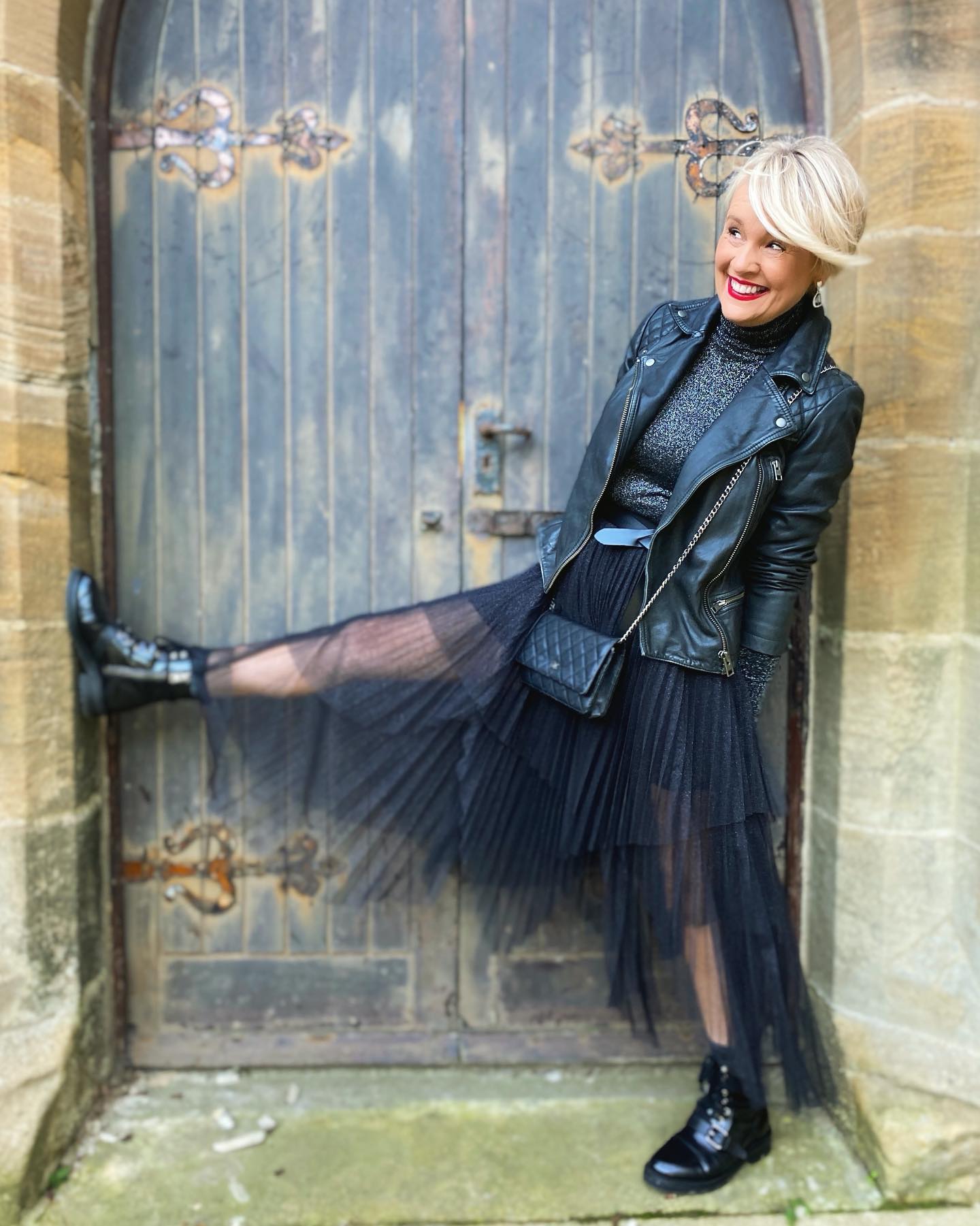
Try beginning with something you want to show instead.
Maybe you love your shoulders, legs, waist, neckline, or ankles.
You may have beautiful hands and enjoy wearing rings, or you may love how you look in an open neckline.
Build the outfit around that feature.
If you love your waist, try a belted dress or tuck in your top.
If your legs are a favorite, wear the skirt length that makes you feel good.
Roll your sleeves to show your wrists and bracelets, or wear a strong color near your face when that is where you want attention.
You can still dress around areas that make you feel self-conscious. Just do not let them control the whole outfit.
Give yourself something positive to dress for.
9. Wear the Hemline You Actually Like

There is no correct skirt length for every woman over 40.
Your best hemline depends on your proportions, your comfort, and the shoes you plan to wear.
Sit, walk, and move around before you decide. If you keep pulling the hem down, you probably will not enjoy wearing it.
A hem that ends at a narrower part of your leg often creates a cleaner line.
This could be just above the knee, below the knee, or closer to the ankle. You may need to try several lengths before you find your favorite.
Shoes also change how a hemline looks.
A midi skirt may feel heavy with one pair of shoes and perfectly balanced with another.
Before giving up on the skirt, try it with a sleeker shoe, a low heel, or a style that shows more of your foot.
Wear the length that lets you forget about your clothes and enjoy where you are going.
10. Dress for the Life You Really Have
A useful wardrobe should suit your real week, not an imaginary version of it.
If most of your time involves working from home, running errands, meeting friends and spending time with family, you do not need a closet filled with office clothes or special-occasion dresses.
You need comfortable pieces that still make you feel presentable.


Think about where you went during the past two weeks.
Those places tell you what your wardrobe needs.
You may need better casual outfits, comfortable shoes, a practical coat, or tops that work for both errands and lunch.
A capsule wardrobe can help you focus on the clothes that support your daily routine. My fall capsule wardrobe for women over 40 shows how a smaller group of useful pieces can create plenty of outfits.
Buy for the life you live most often.
When an invitation or unusual event comes up, you can fill that specific gap instead of building your whole wardrobe around rare occasions.
11. Use the Elevated Basics Method
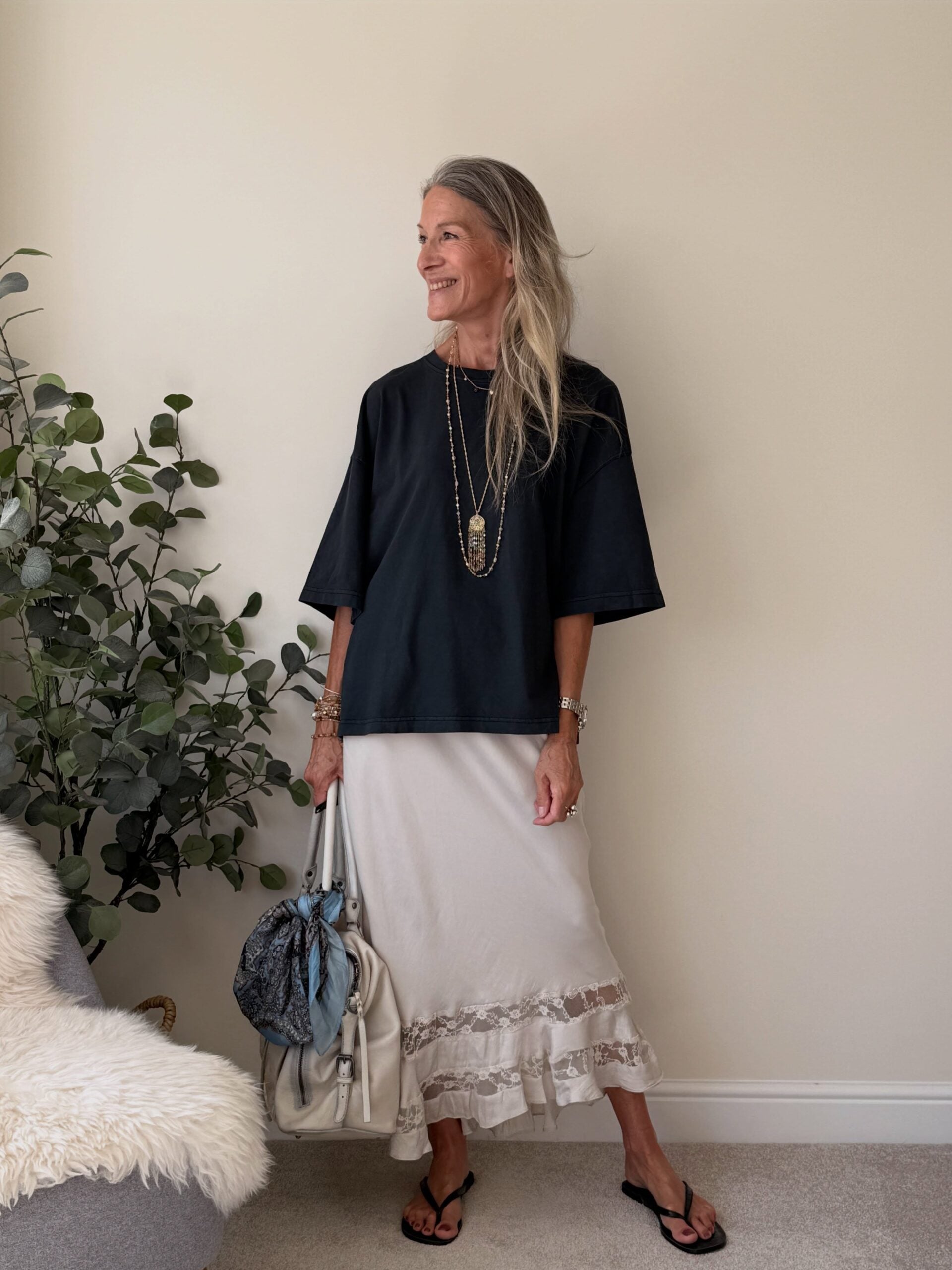
Basics make getting dressed easier, but they can also start to feel dull when every piece looks plain and practical. My Elevated Basics Method keeps the ease of a basic while adding one detail that makes it feel special.
Take a simple knit dress.
The basic shape makes it comfortable and easy to style.
A flattering neckline, ribbed texture, beautiful color, or well-shaped sleeve gives it personality. You can wear it with boots and a coat during the day, then add jewelry and a smarter bag for dinner.
The same idea works with almost everything.
A white shirt may have an interesting cuff.
A plain sweater may have a beautiful collar or a slightly fuller sleeve.
Black trousers may have a better drape or a subtle seam down the front.
You still get plenty of use from the piece, but it no longer feels like another plain basic.
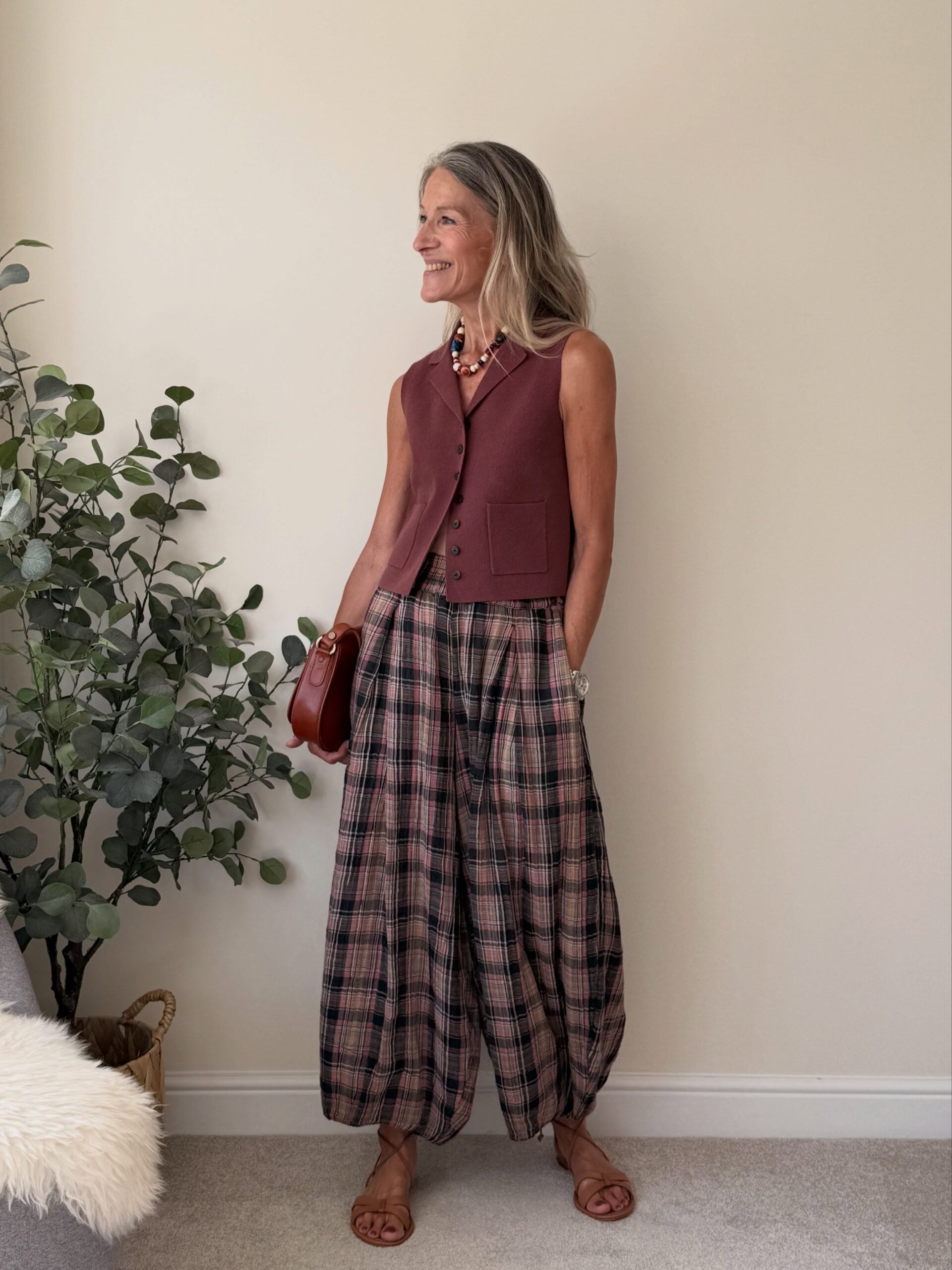
12. Spend More on the Clothes You Wear Most
An expensive label does not guarantee better quality. Still, it can make sense to spend more on the pieces you wear every week.
A coat, handbag, pair of boots or everyday trousers may deserve more of your budget because you will use them repeatedly. I would rather own one good coat that works with everything than three cheaper coats I never feel quite right in.
Look at the fabric, stitching, lining, and hardware before you look at the label. Save on the pieces you wear occasionally and spend more where comfort and quality will improve your everyday outfits.
13. Let Tailoring Fix the Almost-Perfect Pieces
Clothes are made to standard measurements, but your body is not standard.
A jacket may fit your shoulders and feel too wide at the waist.
Trousers may fit your hips but need the waistband adjusted. Sleeves and hems are often simply too long.
These problems do not always mean the garment is wrong for you. A tailor can shorten sleeves, adjust a waist, change a hem or improve the shape of a dress.
Buy the piece to fit the hardest area first. A tailor can usually shorten sleeves and hems or take in a slightly loose waist. Changing jacket shoulders or the rise of trousers becomes more complicated and expensive.
Tailoring will not rescue every purchase, so get an estimate before you remove the tags. But it can turn an almost-right piece into something you reach for constantly.
14. Create a Few Dependable Outfit Formulas
You do not need a completely original outfit every morning.
A few reliable combinations will save time and make your wardrobe easier to use.
An outfit formula is simply a combination that works for you.
It might be straight-leg jeans, a knit, loafers, and a jacket.
Another could be wide-leg trousers, a fitted top, a necklace, and sneakers.
For warmer weather, you might rely on a midi dress, flat sandals, and a lightweight bag.
The clothes and colors can change while the structure stays the same. This gives you variety without forcing you to start from nothing every day.
Photograph the outfits you enjoy wearing.
Keep the pictures in a folder on your phone, then use them when you feel stuck. You can also find more ideas in my guide to outfit formulas for a minimal wardrobe.
15. Repeat Outfits and Change One Thing
There is nothing wrong with repeating an outfit you love.
Instead of creating a completely different look every morning, wear the same combination and change one part of it.
Wear your usual jeans and sweater with sneakers one day and loafers the next. Change the jacket, add a belt, or carry a different handbag. You may discover that a piece you rarely wear works perfectly when you style it in a new way.
This is also an easy way to find your personal style. When you keep reaching for the same colors, shapes, and outfit combinations, you start to see what actually works for you. You also notice which clothes you own but never want to wear.
If you want more ideas, try my 30-Day Wardrobe Challenge. It gives you something different to try each day, using the clothes you already have.
You may find new outfit combinations, wear pieces you have forgotten about, and understand what your wardrobe is truly missing before you buy anything else.
If 30 days feels like too much, start with my free 7-Day Wardrobe Challenge. I will send you one simple challenge each day to help you wear more of the clothes you already own.
Add your name and email below to receive the first challenge. Once you complete it, you will also have a chance to receive my fashion book, Dress to Impress, for free.
16. Keep One Occasion Outfit Ready
Special events become much easier when you already own one outfit that fits and makes you feel good.
Choose something flexible enough for several occasions.
A simple dress, an elegant trouser suit or a skirt with a beautiful top can work for dinners, weddings, celebrations and holiday gatherings. Accessories can make it more or less formal.
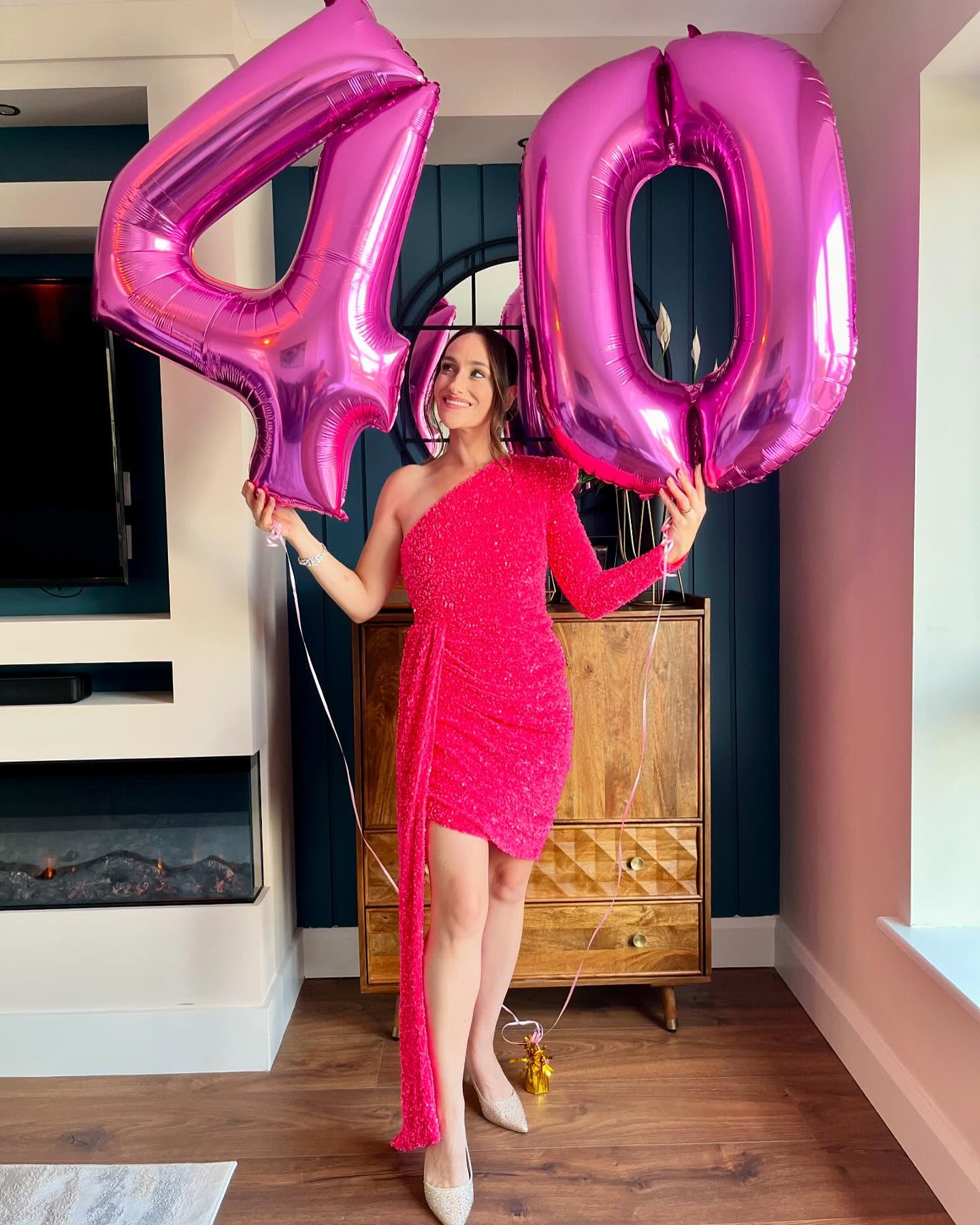
Try on the complete outfit every so often, including the bra, shoes, and jacket. Bodies change, and a dress that fit two years ago may not feel the same today. Finding that out on the afternoon of an event creates stress you do not need.
Keep the outfit clean, ready, and easy to find.
You may still buy something new for an important occasion, but you will make that decision calmly because you already have a dependable option.
If a wedding is the reason you need an occasion outfit, I have already gathered my favorite wedding guest dresses for women over 50. It includes cocktail and formal dresses, tummy-friendly options, and stylish alternatives if you would rather not wear a dress.
17. Give the Outfit One Clear Focal Point
When every item asks for attention, the outfit can feel busy.
When nothing stands out, it can feel flat.
Decide what you want people to notice first.
It might be a printed blouse, a bright coat, statement earrings, red shoes, or a beautiful handbag. Let the other pieces support it.
This is the simple-versus-statement part of my Balance Formula. A statement piece usually looks stronger beside quieter clothes. Wear a bold jacket over a simple top and trousers, or pair large earrings with a clean neckline.
You can wear more than one noticeable item when they work together. The point is not to limit your personality. It is to keep the pieces from competing with one another.
18. Wear Your Best Colors Near Your Face
Color can make your complexion look brighter before you add any makeup. It can also make you look tired when the tone works against your natural coloring.
You do not need a professional color analysis to start noticing the difference.
Hold tops, scarves, or jackets near your face in natural daylight.
A good color often makes your skin look clearer and your eyes more noticeable. The wrong tone may emphasize shadows or redness.
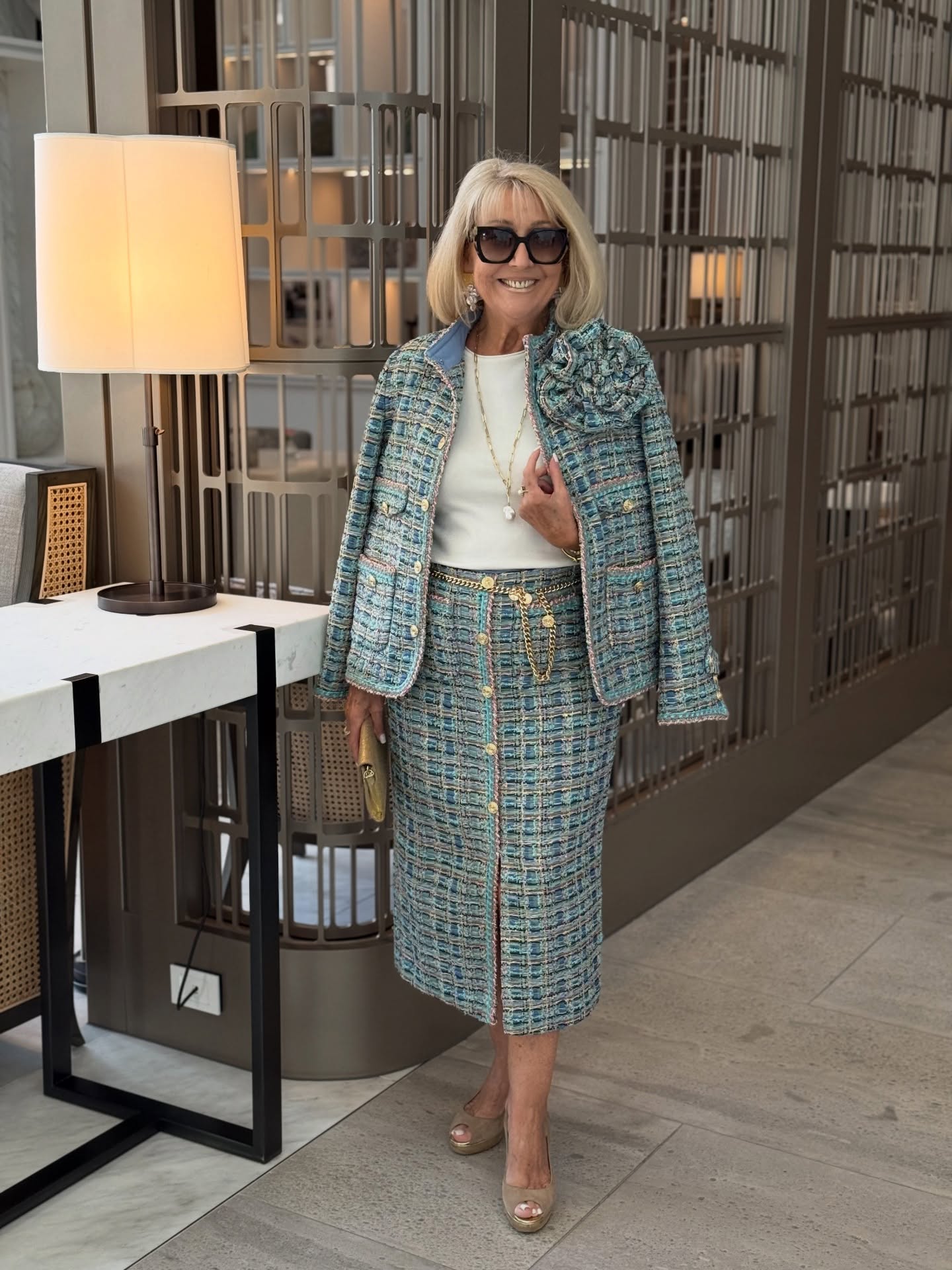
Keep the colors that flatter you closest to your face. Wear harder colors as trousers, skirts, shoes, or bags, where they have less effect on your complexion.
Your best colors do not have to come from a strict seasonal palette. If a shade consistently earns compliments and makes you feel good, it deserves a place in your wardrobe.
I am also working on a complete guide to finding the best colors for your skin tone, hair, and eyes. Once it is ready, I will add it here so you can use it when choosing tops, dresses, scarves, and jackets.
19. Make Color Matching Easier
A colorful wardrobe can still be easy to combine when the colors share something in common.
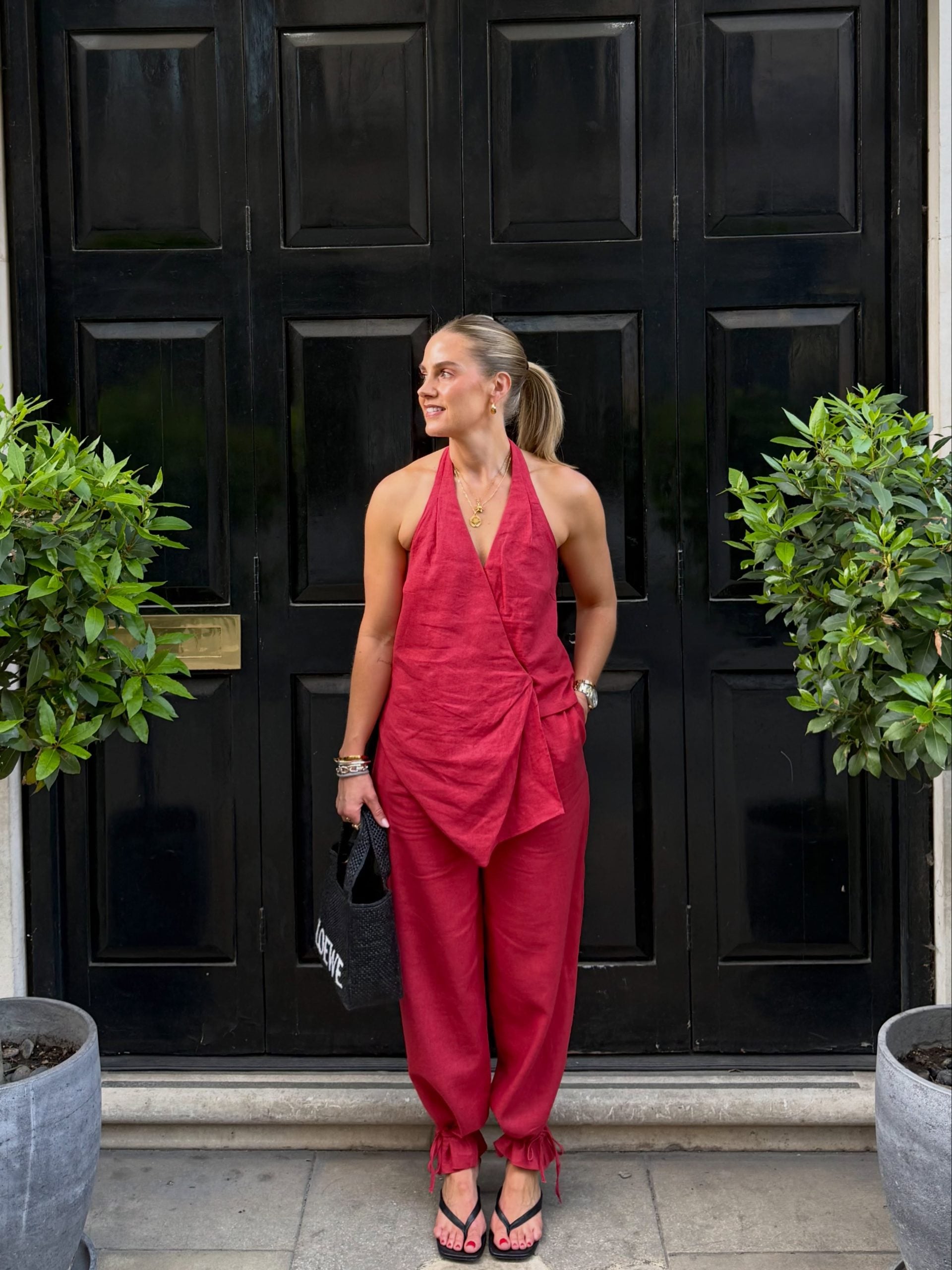
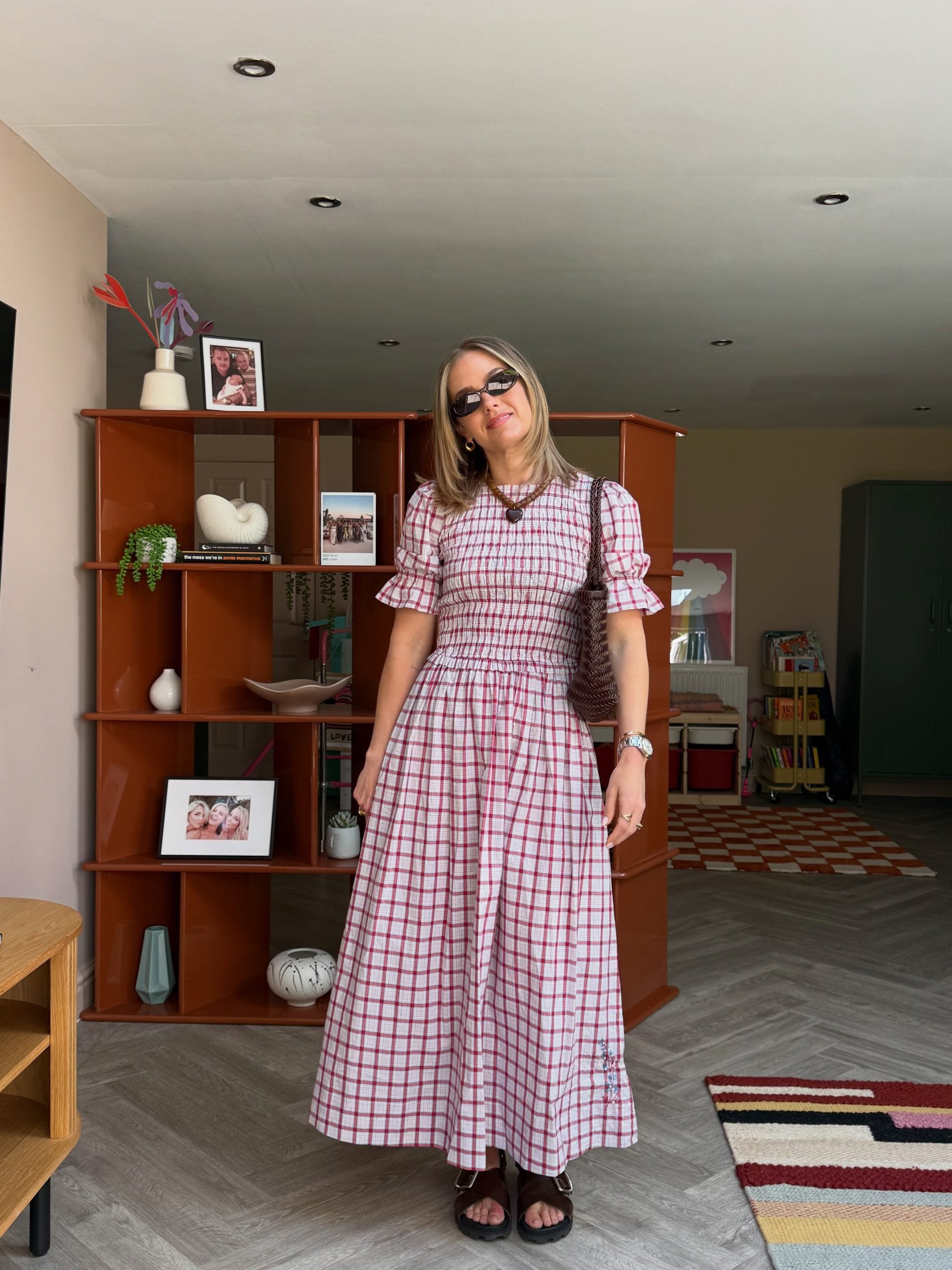
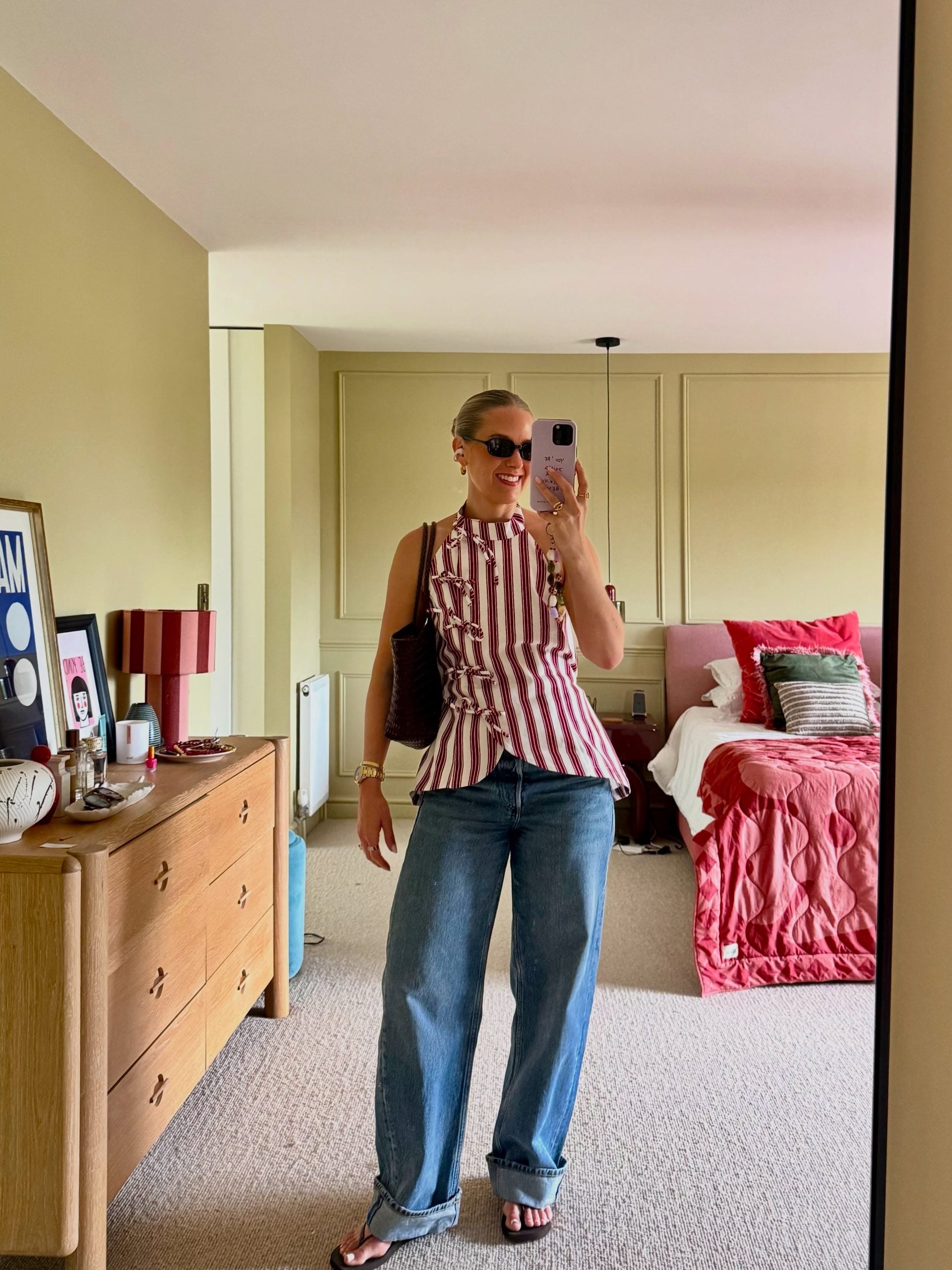
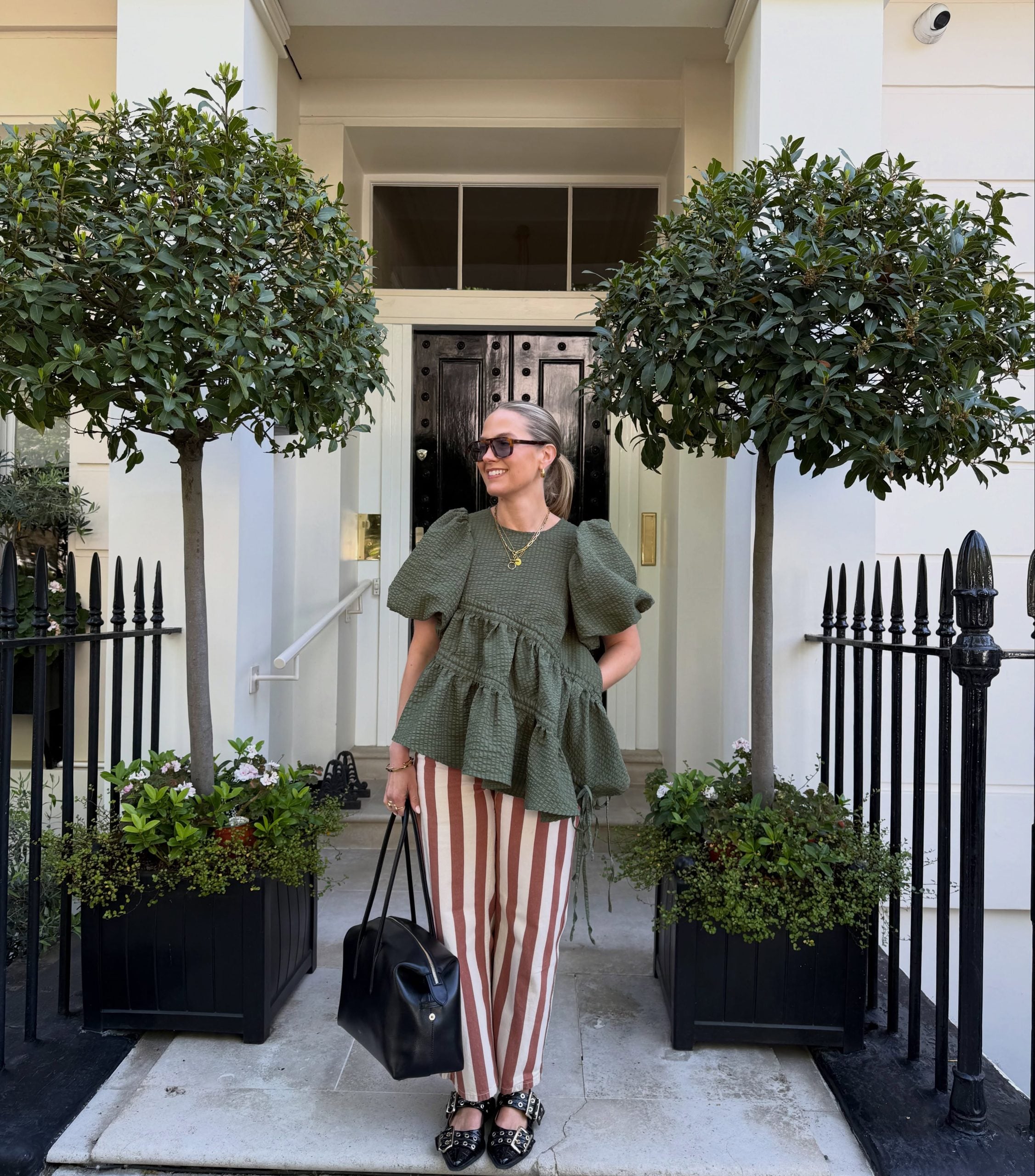
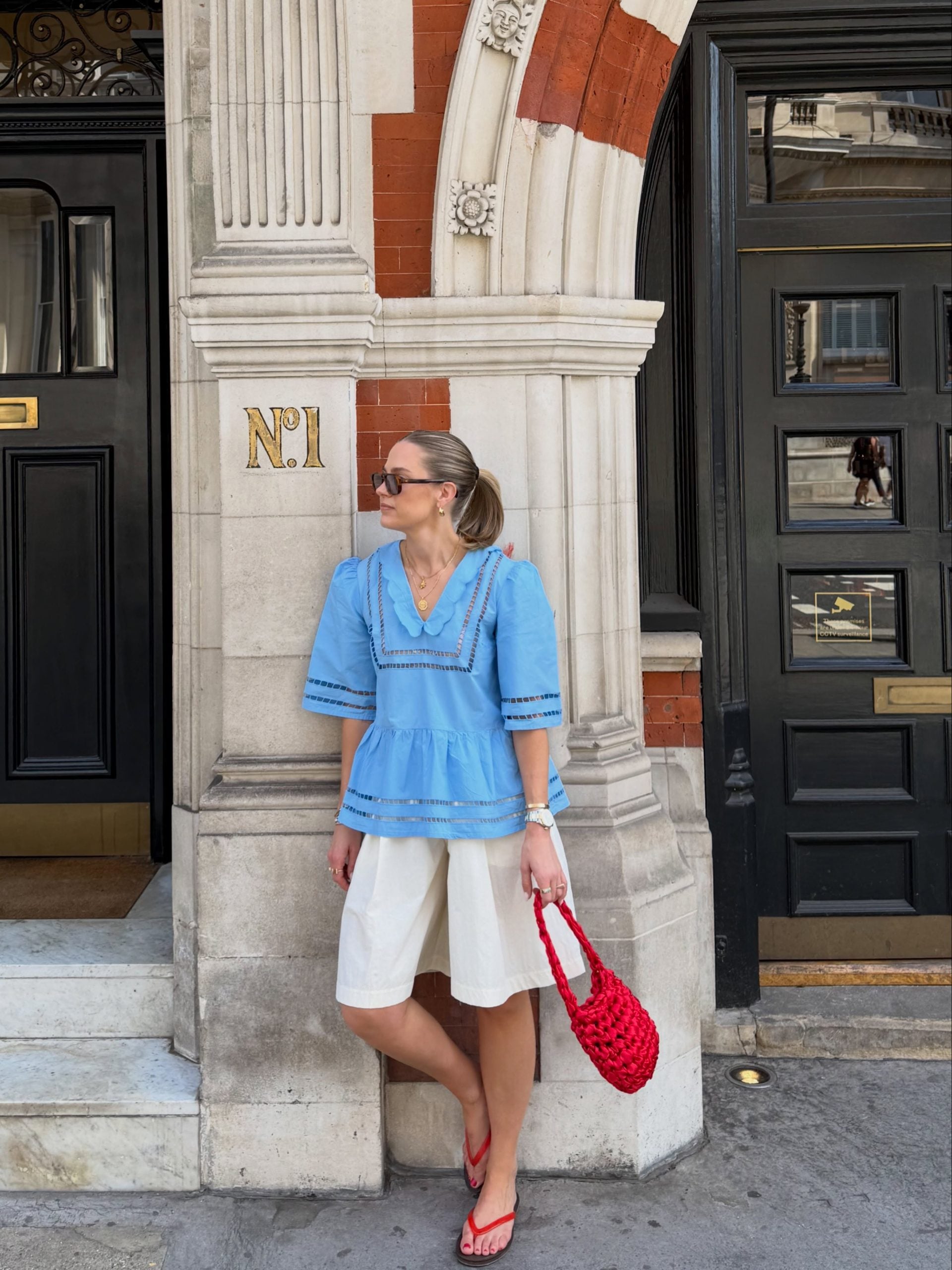
Build around two or three neutrals you already enjoy wearing. They could be black, navy, and gray or cream, camel, and chocolate. You do not need every neutral in your closet.
Then add a few colors that coordinate with those foundations.
If navy and cream are your main neutrals, you might add burgundy, soft blue, or green. If you wear camel and chocolate, rust, teal, and warm red may fit naturally.
Repeat one color somewhere else in the outfit when you want it to feel more connected.
Your shoes might pick up a color in the print of your blouse, or your earrings might echo your handbag.
My guide to matching clothing colors will help if you want more combinations without turning your closet into a rainbow you cannot use.
20. Wear Different Shades of the Same Color
A tonal outfit does not mean wearing one color in exactly the same shade from head to toe.
In this outfit, the soft mint sweater and deeper green skirt clearly belong to the same color family, but the difference between them makes the outfit more interesting.

This is an easy color-matching trick when you want to wear something bolder.
Start with one color, then combine a lighter shade on top with a deeper or brighter version on the bottom.
The black shoes, sunglasses, and handbag give the green somewhere to stop. They also make the outfit feel sharper.
You can try the same idea with light and dark blue, soft pink and burgundy, or pale gray and charcoal. Or you can try this with neutrals.
The shades do not need to match exactly. That is what keeps the outfit from looking too planned.
21. Look at the Whole Print, Not Just Its Size
You may have heard that women over 40 should wear small prints or avoid large ones.

Print size alone does not decide whether a garment looks good.
Pay attention to the colors, spacing, and contrast.
A large print in soft, related colors can look calmer than a tiny pattern in black and white. A closely packed print feels busier, while more open space gives each shape room to breathe.
Notice where the strongest part of the pattern sits on your body.
A large flower or bold stripe may land in a place you did not expect because every garment is cut differently.
The shape of the garment matters too.
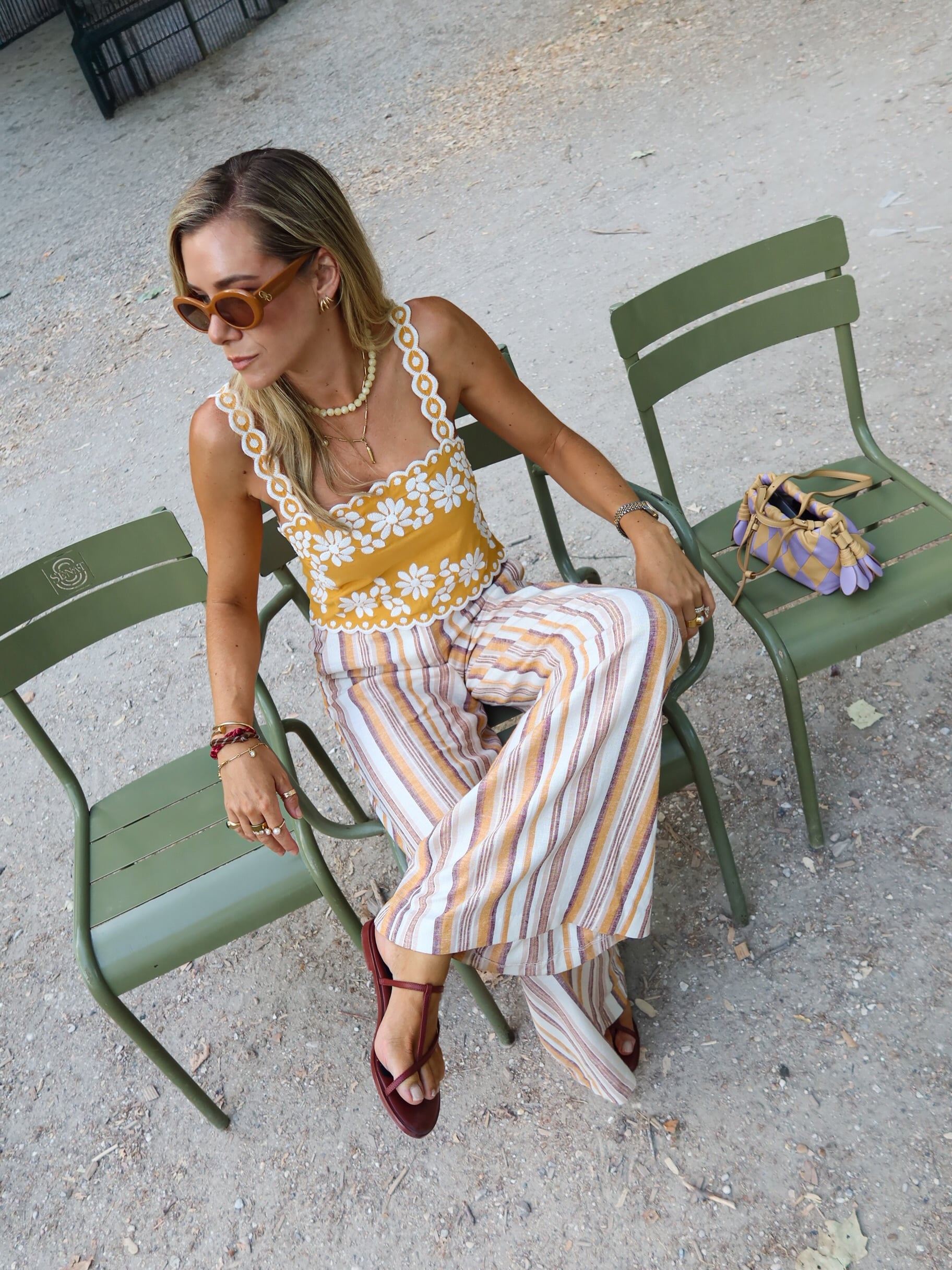
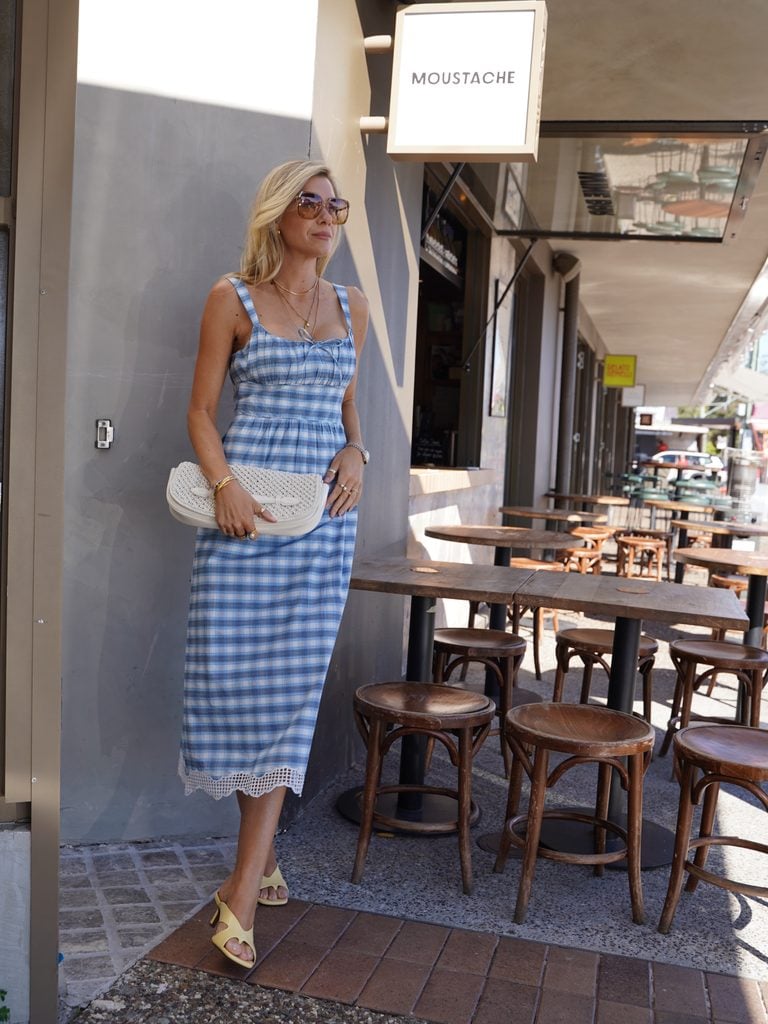
A dramatic print on a simple dress can look elegant. The same print combined with ruffles, gathers, and oversized sleeves may feel overwhelming.
Wear prints that suit your personality. You are not required to become quieter with age.
22. Find What Is Making the Outfit Feel Dated
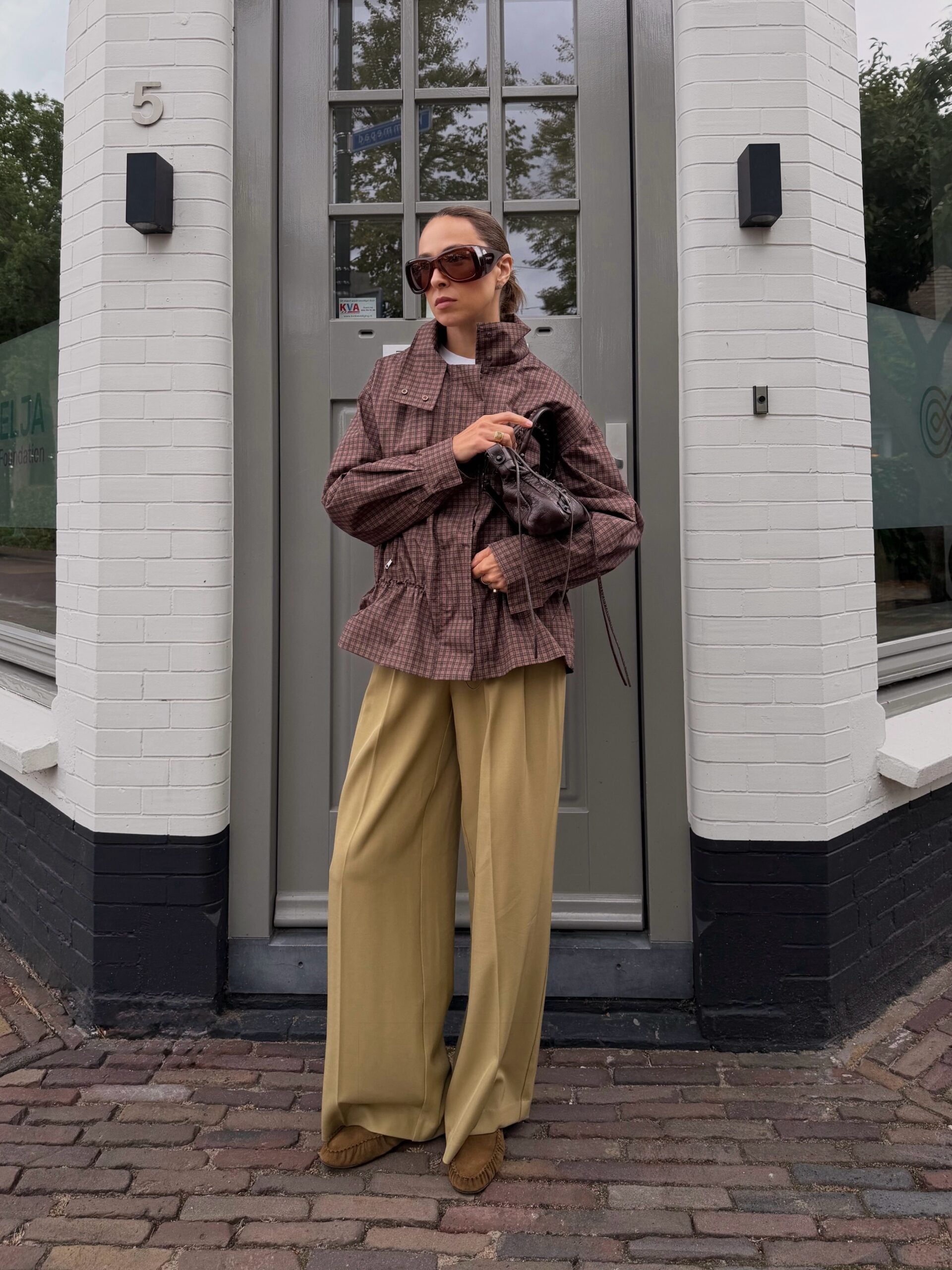
An outfit can feel dated even when every individual piece is still wearable.
Usually, one or two details are pulling the whole look backward.
Start with the silhouette.
A long cardigan over a loose top and narrow trousers may remind you of outfits you wore several years ago. Try the same top with straighter jeans, or replace the cardigan with a shorter jacket.
Shoes often reveal the problem.
A dress may look current with a sleek boot or simple sneaker and dated with a shoe that has a heavy platform, excessive decoration, or an awkward toe shape.
Styling matters as much as the clothes. Try rolling the sleeves, changing the tuck, removing an unnecessary necklace or carrying a more structured bag.
Do not replace everything at once.
Update the detail that has the strongest effect.
23. Be Selective About Trends
You can wear trends after 40. The better question is whether a particular trend deserves your money and space in your wardrobe.
Before buying a trend, imagine it with the clothes you already own and the places you actually go. If you cannot think of at least three ways to wear it, you probably do not need several versions of it.
Sometimes you love a trend because it suits you. Other times, you only like it because you have seen it everywhere for the past month. Give yourself enough time to know the difference.
Start small when you are unsure.
A trending color, shoe shape, belt, or pair of sunglasses can refresh familiar outfits without changing your whole style.
Skip anything that makes you feel disguised or uncomfortable. A trend is an invitation, not an instruction. My guide to modern fashion trends for women over 50 can also help you separate wearable updates from trends that may not suit your life.
24. Let Your Shoes Change the Outfit
If an outfit does not feel right, change the shoes before you change the clothes.
Straight-leg jeans and a shirt feel casual with sneakers, polished with loafers, and ready for dinner with a low heel.
A floral dress looks softer with sandals, more modern with simple sneakers, and stronger with boots.
Pay attention to the visual weight of the shoe. Chunky footwear can balance wide trousers, heavier fabrics, and oversized outerwear. A delicate shoe may work better with a lighter dress or a narrow trouser.
Comfort still matters.
A shoe cannot improve your outfit if you cannot walk in it. Look for cushioned soles, stable heels, and enough room for your toes. Stylish shoes exist at every heel height, including no heel at all.
25. Add a Third Piece When the Outfit Feels Too Simple
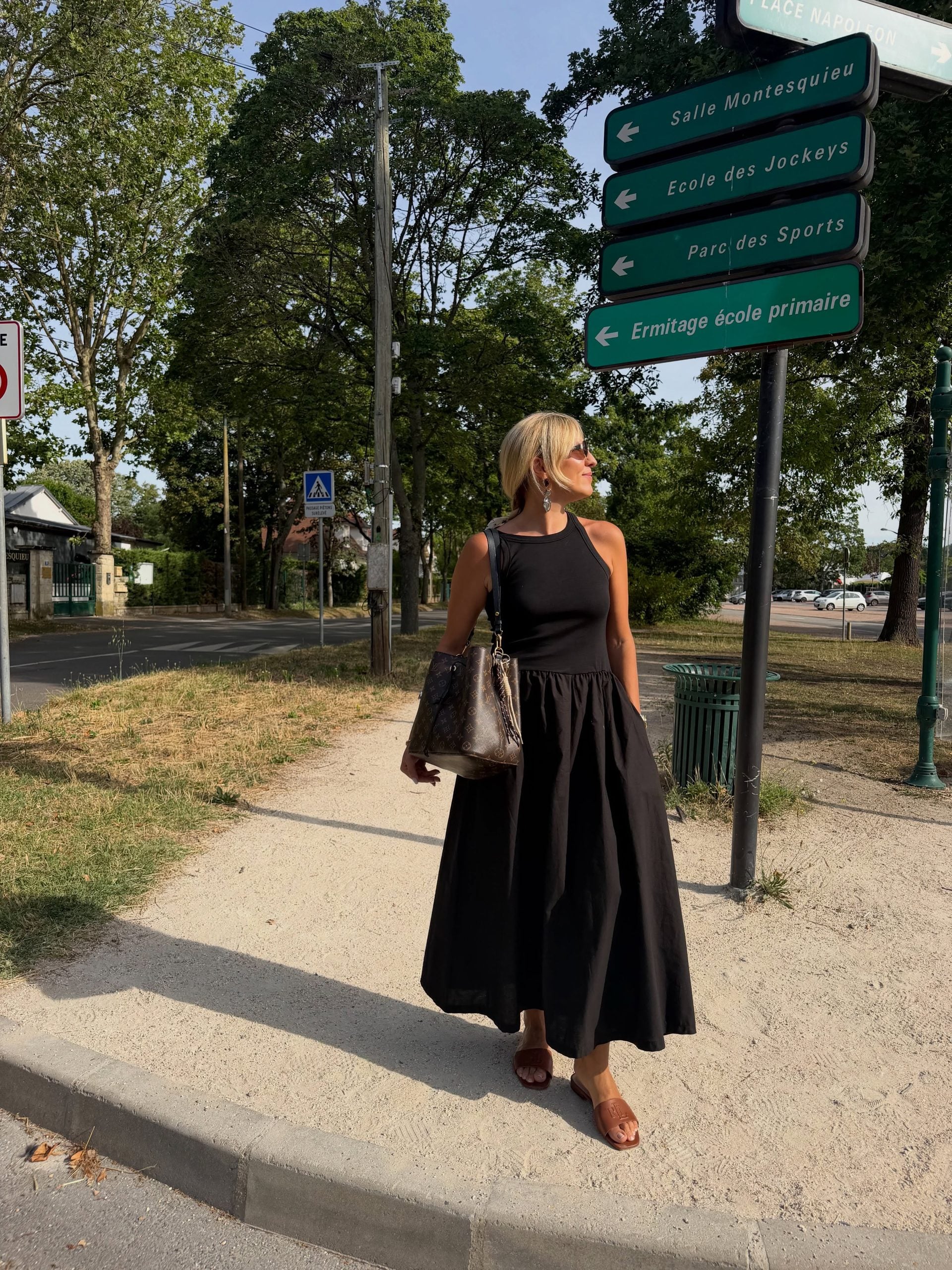
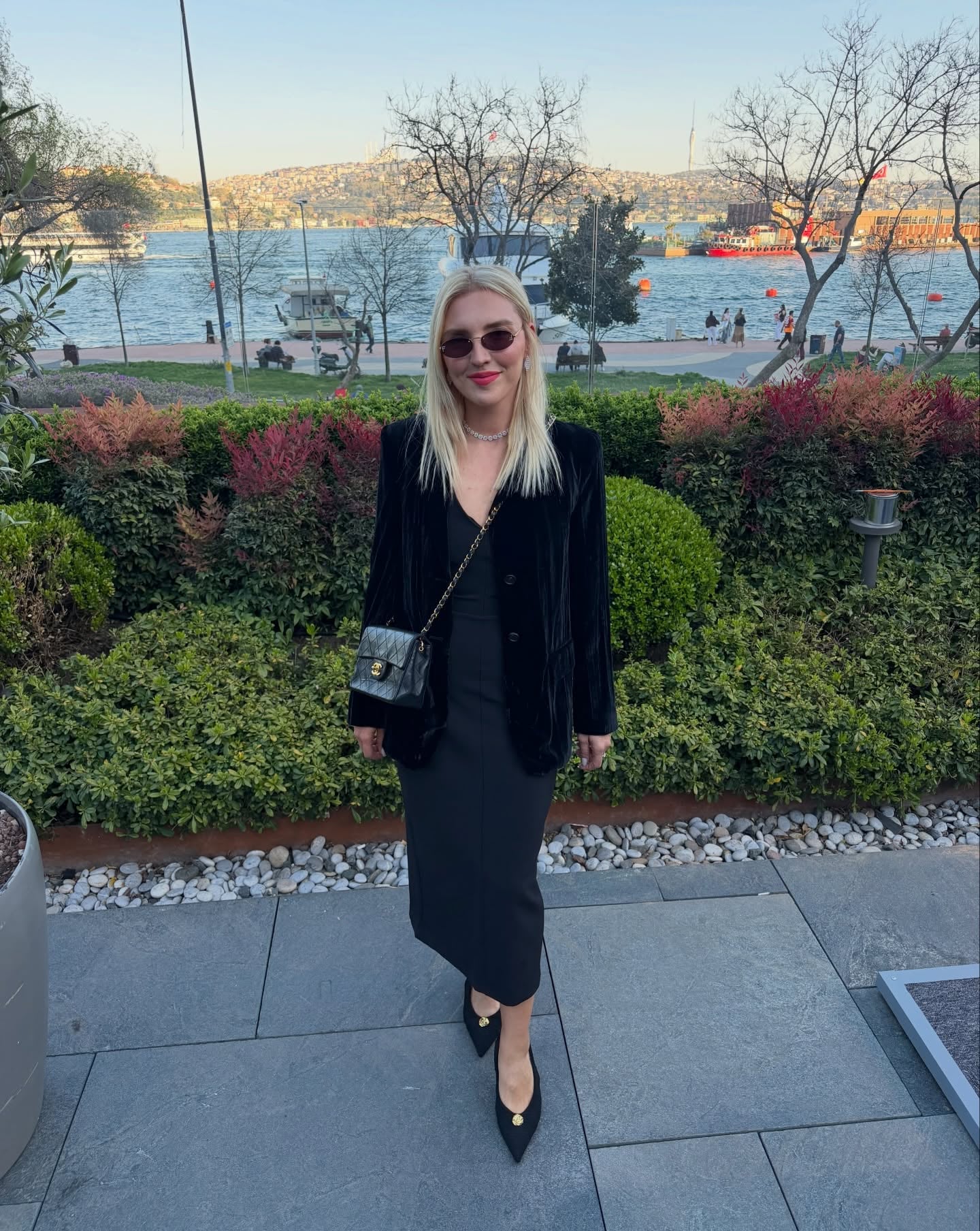
You put on a top and trousers, and everything fits, but the outfit still feels a little plain. This is when I usually add one more piece.
A blazer, cardigan, denim jacket, or vest can make even the simplest outfit feel more complete. It does not need to be anything special. You may only need a little more color, texture, or shape.
I use this trick most often with basics. A T-shirt and jeans look much better once you add a relaxed blazer.
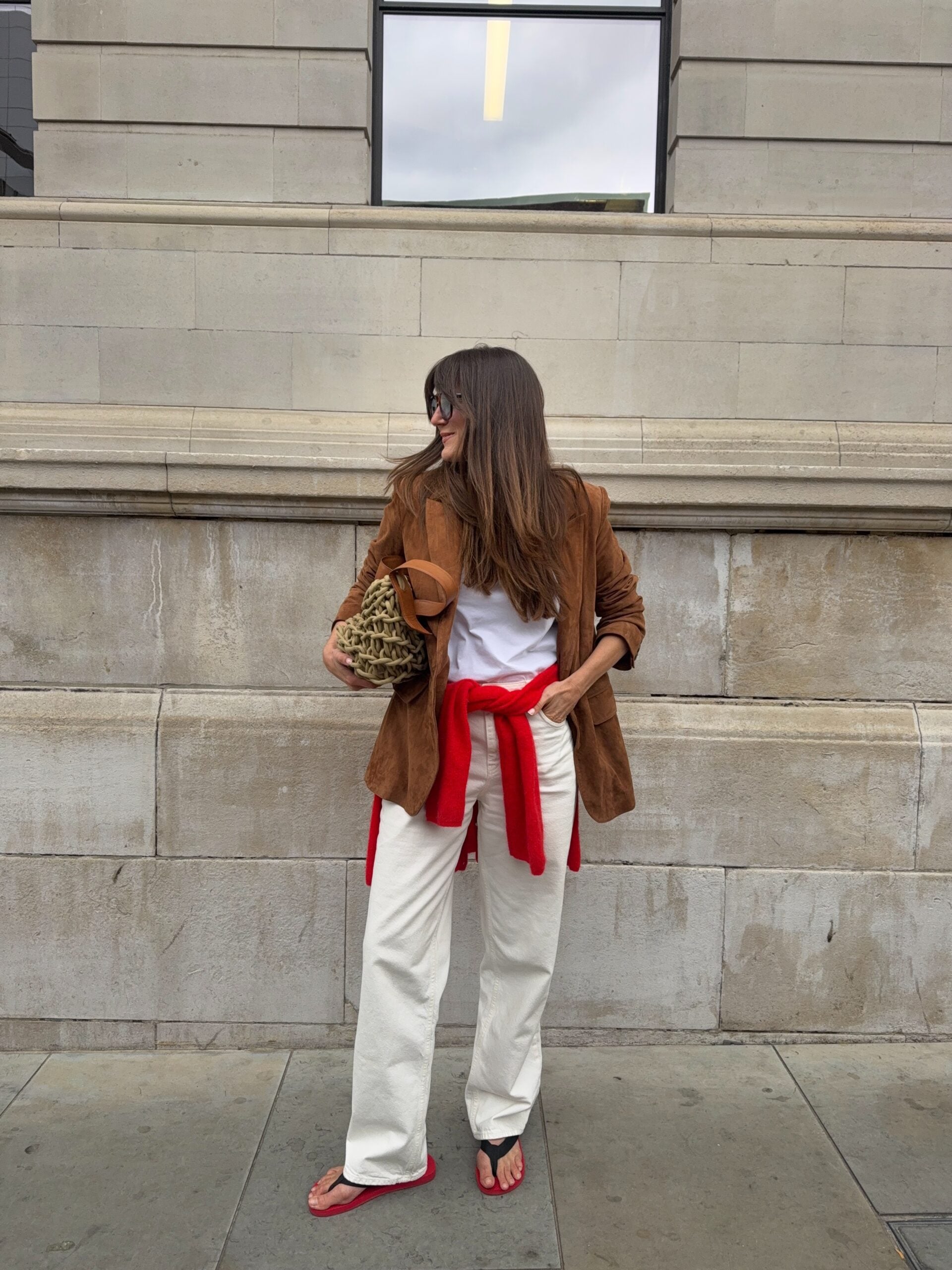
A simple knit and trousers may only need a cardigan worn open. During warmer months, you can get the same effect with a belt, scarf, or larger necklace.
Of course, adding another layer becomes a little harder in winter. You want to stay warm, but you do not want every layer bunching under your coat. I share more practical ideas in my guide on how to layer clothes for winter.
Some outfits already look complete without anything extra.
If your dress has a beautiful shape or your matching set looks good on its own, leave it alone. Not every outfit needs one more thing.
26. Finish With the Accessories the Outfit Needs
You do not need every accessory at once.
If your neckline already has detail, skip the necklace and wear earrings instead.
If the outfit includes a print, pull one color from it for your bag or shoes. A belt can add shape, but you do not have to wear one when the outfit looks better without it.
Your handbag also affects the final impression. A soft tote feels relaxed, while a structured bag makes the same clothes look more polished. Size matters as well.
Choose a bag that fits what you carry without overwhelming your frame or disappearing against a bulky coat. My guide to choosing an everyday handbag can help you find one that is both practical and flattering.
Once the outfit feels finished, stop. Adding one more accessory will not always make it better.
I also share real-life outfit ideas and more style tips for women over 40 on my YouTube channel. Subscribe if you prefer seeing the outfits and styling changes in action.
Final Thoughts
Looking stylish after 40 does not require a younger wardrobe or a long list of fashion rules. You need clothes that fit your body today and work for the life you actually live.
When an outfit does not feel right, change one thing before you give up on it. Try different shoes, adjust the top length, or remove the accessory that is competing with everything else.
Keep the ideas that make getting dressed easier and leave the rest. Your personal style should feel clearer with time, not more restricted.
