

There’s a funny moment that happens to almost everyone who cares about clothes.
You stand in front of a closet that’s clearly full… and somehow still feel like you have nothing to wear.
That’s why I decided to help you answer the question: how to create outfits from clothes you own.
Hangers are packed together. Shelves are stacked. There are jeans, dresses, sweaters, jackets, maybe even a few things with tags still attached.
You are looking at that mess and thinking your wardrobe is missing something important.
So you start browsing online. Maybe you can add a few things to your cart. Perhaps you think that “if I just had one more pair of pants… or maybe a new top would make everything work.”
But here’s the truth: most fashion bloggers don’t say enough:
Very often, the problem isn’t your wardrobe.
It’s how you’re using it.
Most of the time, the issue isn’t that your closet lacks options. The real problem is that you were never taught how to dress better with the clothes you have.
Instead of constantly buying new pieces, you start discovering outfits already in your closet that you simply hadn’t noticed before.
Learning how to shop your closet—and actually create outfits from clothes you already own—is one of the most powerful style skills you can develop.
It saves money, reduces decision fatigue, and helps you rediscover pieces you forgot you loved.
And once you get good at it, something interesting happens. Once you understand how to make outfits with what you have, your wardrobe suddenly feels bigger, more versatile, and more interesting.
In this guide, I’ll show you how to use your closet in a new way.
We’ll talk about practical ways to create outfit ideas with clothes you already have, how to organize your wardrobe so getting dressed becomes easier, and how small styling changes can help you elevate your wardrobe without buying anything new.
Let’s start with the first step: take a closer look at your closet.
Step 1: Get To Know Your Closet
Before you can build great outfits from what you already own, you need to know what’s actually there.
Most people think they know their closet well. But when you slow down and really look through it, you’ll usually find at least a few surprises.
Many people actually have more clothes than they realize.
The problem is that they wear certain pieces all the time, while others slowly disappear to the back of the closet.
Maybe it’s a blazer you forgot about.
A skirt that got buried behind sweaters.
Or a top you used to wear all the time but somehow stopped reaching for.
That’s why the first step in learning how to make new outfits from your closet is simple awareness.
Instead of doing a huge, exhausting closet clean-out, try something simpler.
You need to get to know your closet.
Start by pulling out a few key categories and looking at them together:
• everyday tops
• jeans and pants
• skirts and dresses
• layering pieces like jackets, cardigans, and blazers
• shoes
• accessories
Lay them on your bed or hang them where you can see everything at once.
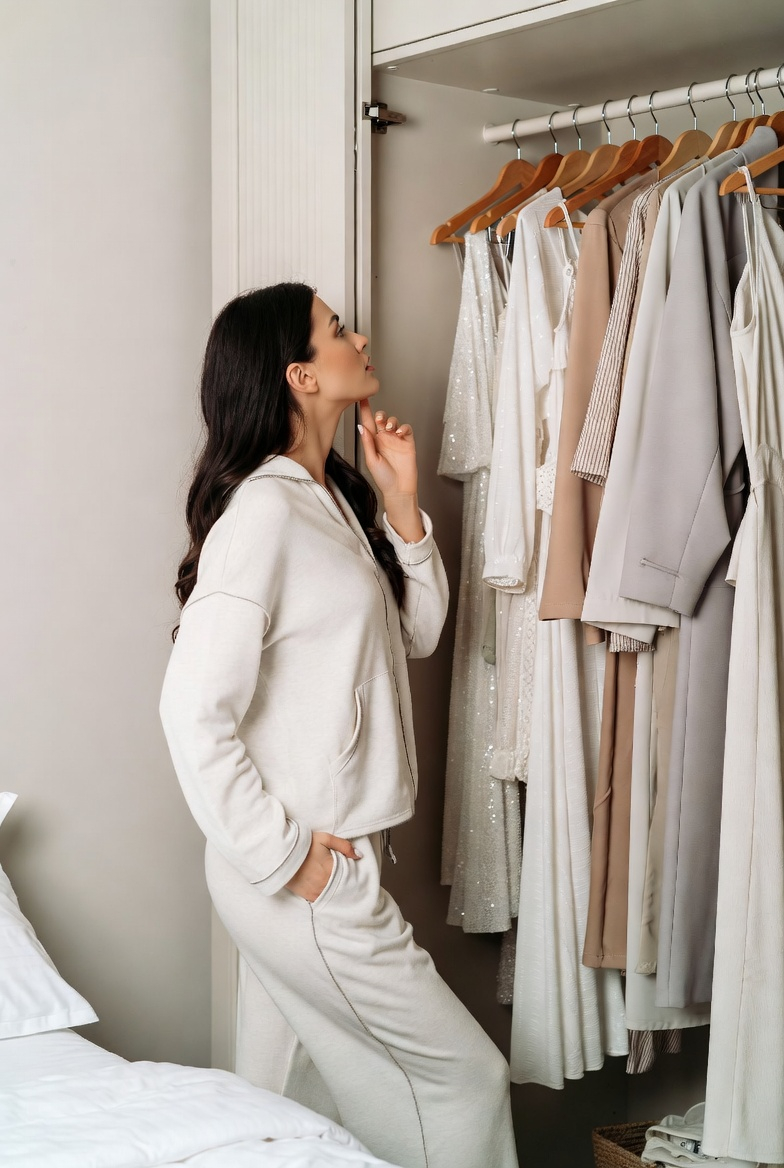
When you see your clothes like this, something interesting happens. You start noticing combinations you hadn’t considered before.
You might notice that most of your tops are neutral. Or that you own several pairs of similar jeans. Or that you actually have more outfit possibilities than you thought.
Maybe that blouse you forgot about would actually work beautifully with a pair of trousers you wear all the time.
Or perhaps you realize that many of the outfits you already have in your closet just need a small styling change to feel fresh again.
As you go through each piece, ask yourself a few simple questions:
Does this still fit my life?
Does it feel like me when I wear it?
And most importantly… what could I pair this with?
Sometimes a piece feels “boring” simply because you’ve been wearing it the same way for years.
This step is also helpful for wardrobe planning.
Once you start imagining new combinations, it often becomes exciting again.
Instead of randomly buying pieces that don’t work together, you begin to understand what your wardrobe already does well—and where it might need improvement later.
Step 2: Identify Your Wardrobe Basics
One of the most important steps in learning how to make outfits with what you have is identifying the foundation pieces in your closet.
These are the items that naturally mix with many other things and make creating outfits much easier.
When you understand which pieces serve as the backbone of your wardrobe, it becomes far simpler to come up with outfit ideas with clothes you already have instead of feeling like you need to buy something new.
Your wardrobe basics are usually the items you reach for again and again.
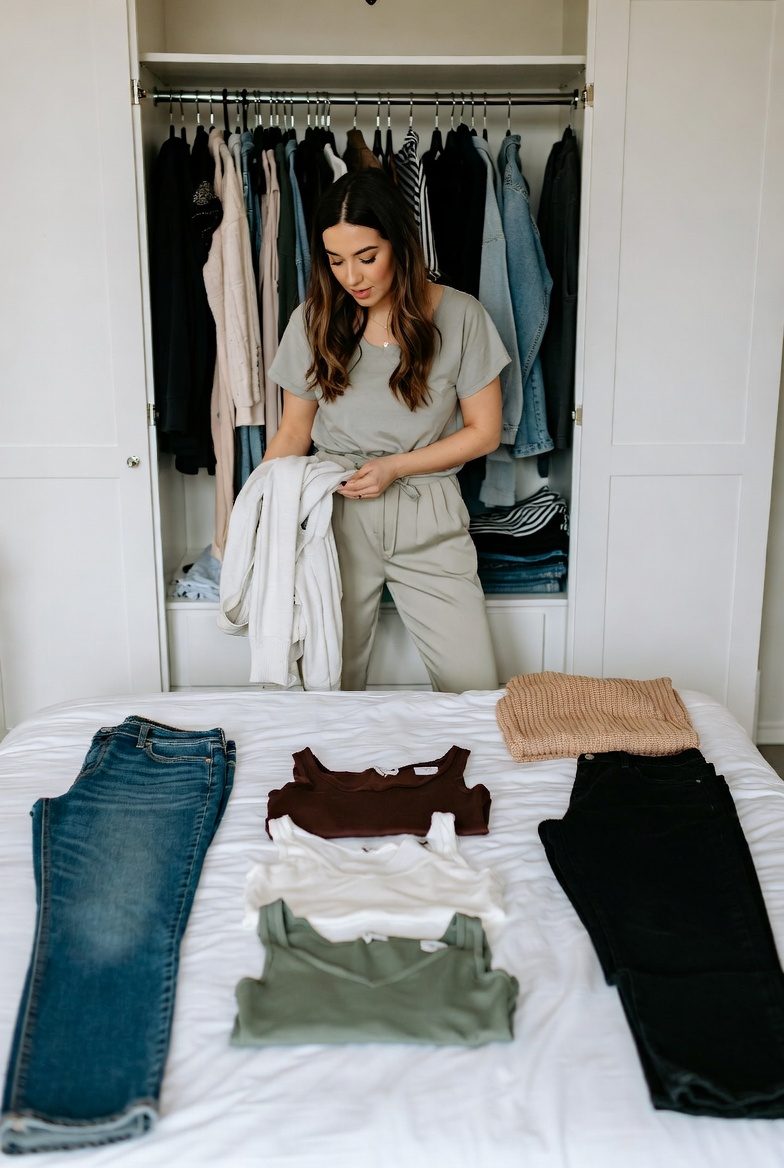
For example, well-fitting jeans, simple tops, neutral sweaters, classic trousers, or a versatile jacket.
These pieces often become your must have closet essentials because they can be styled in many different ways.
Once you recognize these items, you’ll start noticing how many outfits already in your closet can be created simply by mixing them differently.
Understanding the basics is also a key part of wardrobe planning.
When you know which items form the core of your style, it becomes easier to see how everything works together.
This is how people slowly learn how to build a good wardrobe—not by randomly buying clothes, but by focusing on pieces that complement what they already own.
If you’re working toward a minimalist wardrobe, this step becomes even more valuable.
A smaller wardrobe built around strong basics can help you understand how to style your wardrobe much more simply.
Instead of feeling overwhelmed by choices, you can easily mix your essentials to create polished looks. Over time, this approach helps you elevate your wardrobe and even learn how to dress sophisticated, using the clothes you already have.
Let’s do an example;
Imagine you begin with your favorite pair of straight-leg jeans. Instead of wearing them the same way you always do, pause and experiment a little.
You may tuck your basic t-shirt in slightly in front. Then you throw on a relaxed blazer, and suddenly the outfit feels polished instead of casual.
Another day, those same jeans might work with a soft sweater and ankle boots.
Or maybe you pair them with a silky blouse and layered necklaces for something a little more elevated.
The key idea here is simple but powerful:
One piece can lead to many outfits.
Step 3: Focus on Creating Outfits, Not Buying Clothes
A lot of people think improving their style means constantly adding new pieces.
But style actually comes from creating outfits, not collecting clothes.
When you learn how to make outfits with what you have, you begin to approach your wardrobe differently.
Instead of asking “What should I buy?” you start asking:
What can I do with the clothes I already own?
This is the secret behind discovering outfits in my closet that once felt boring but now feel fresh again.
The clothes didn’t change. The styling did.
Step 4: Start With One Base Piece
One of the easiest ways to start creating outfits from your closet is to begin with a single base piece.
Instead of staring at your entire wardrobe and trying to build an outfit all at once, choose one item you want to wear and let everything else build around it.
This simple method makes it much easier to figure out how to make outfits with what you have.
Your base piece can be anything you love wearing – jeans, a skirt, trousers, or even a dress.
Once you choose it, start looking through your closet for pieces that naturally work with it. This is where you’ll start discovering outfits already in your closet that you may have overlooked before.
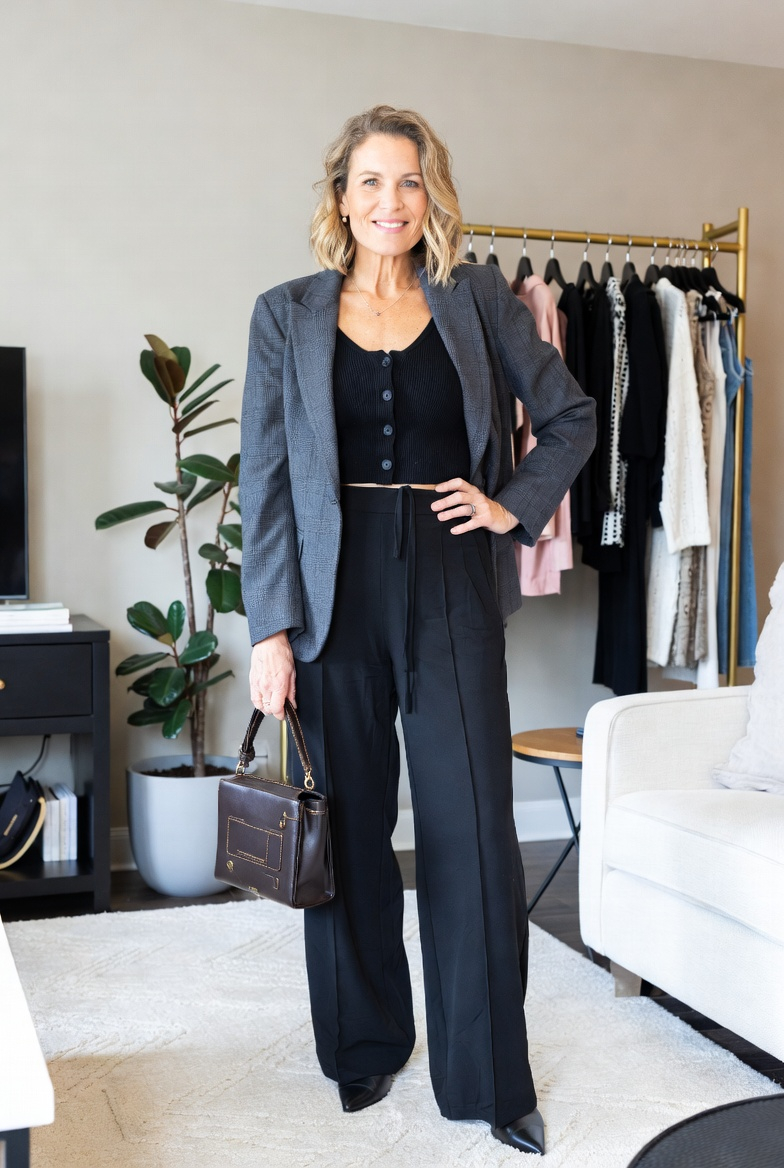
Sometimes all it takes is pairing that base piece with a different top, jacket, or pair of shoes to create a completely new look.
This approach also helps you come up with outfit ideas with clothes you already have without feeling overwhelmed.
Instead of thinking about your entire wardrobe, you’re simply asking, “What works with this one piece?”
That question alone can lead to several combinations.
It’s a small shift in mindset, but it’s one of the most practical ways to learn how to style clothes and understand how to style your wardrobe more effectively.
Over time, starting with one base piece becomes a powerful tool for wardrobe planning.
You begin to see how different items interact with each other, which pieces are the most versatile, and which ones help you build a good wardrobe.
Eventually, this habit makes it easier to elevate your wardrobe and feel confident putting together outfits from the clothes you already own.
Step 5: Add A Complementary Top Or Bottom
If you didn’t choose a dress, now your next step is to add a complementary top or bottom that balances the outfit.
This is where creating outfits really starts to take shape.
The goal isn’t to find a perfect match, but to choose something that works naturally with the piece you started with.
When you practice this approach, it becomes much easier to understand how to make new outfits from your closet.
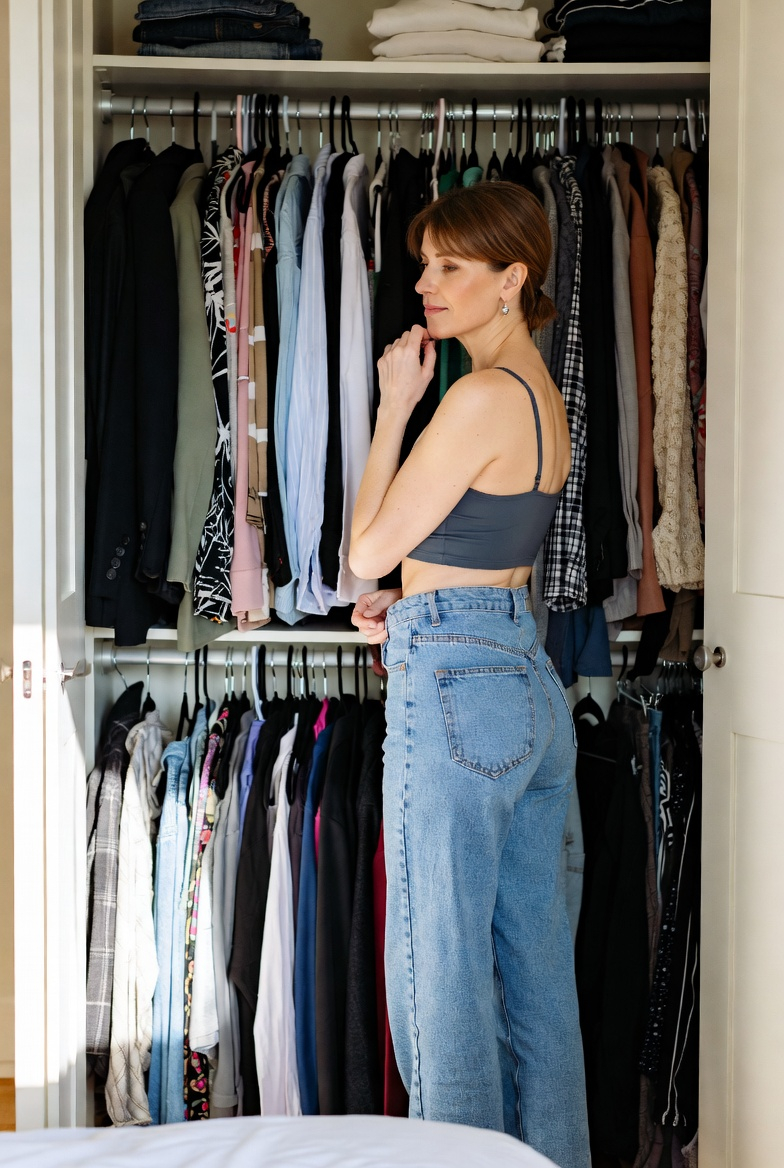
For example, if your base piece is a pair of classic jeans, you might pair them with a relaxed sweater for a casual look or a structured blouse if you want something more polished.
Small changes like this can lead to multiple outfit ideas with clothes you already have, even when the starting piece stays the same. This is one of the simplest ways to discover outfits already in your closet that you may not have noticed before.
Thinking about balance also helps you learn how to style clothes more effectively.
If your base piece is loose or relaxed, you might add a more fitted top to keep the outfit looking intentional.
If the base piece is structured, you can soften the look with something more casual.
These small styling decisions are part of learning how to style your wardrobe and gradually becoming more confident with the clothes you own.
Over time, this habit also supports better wardrobe planning.
You begin to notice which pieces combine easily and which ones rarely work with anything.
That awareness helps you build a good wardrobe because you start focusing on versatile pieces that mix well together.
Eventually, putting together outfits becomes much easier, and you’ll find yourself reaching for outfits you already have in your closet instead of feeling like you need something new.
Step 6: Use Layering to Multiply Your Outfit Options
Layering is one of the easiest ways to create new outfits without buying anything new.
A single piece can look completely different depending on what you layer over or under it.
Let’s think about a simple dress.
On its own, it might feel appropriate for warm weather or casual days.
But once you start layering outfits, the possibilities open up.
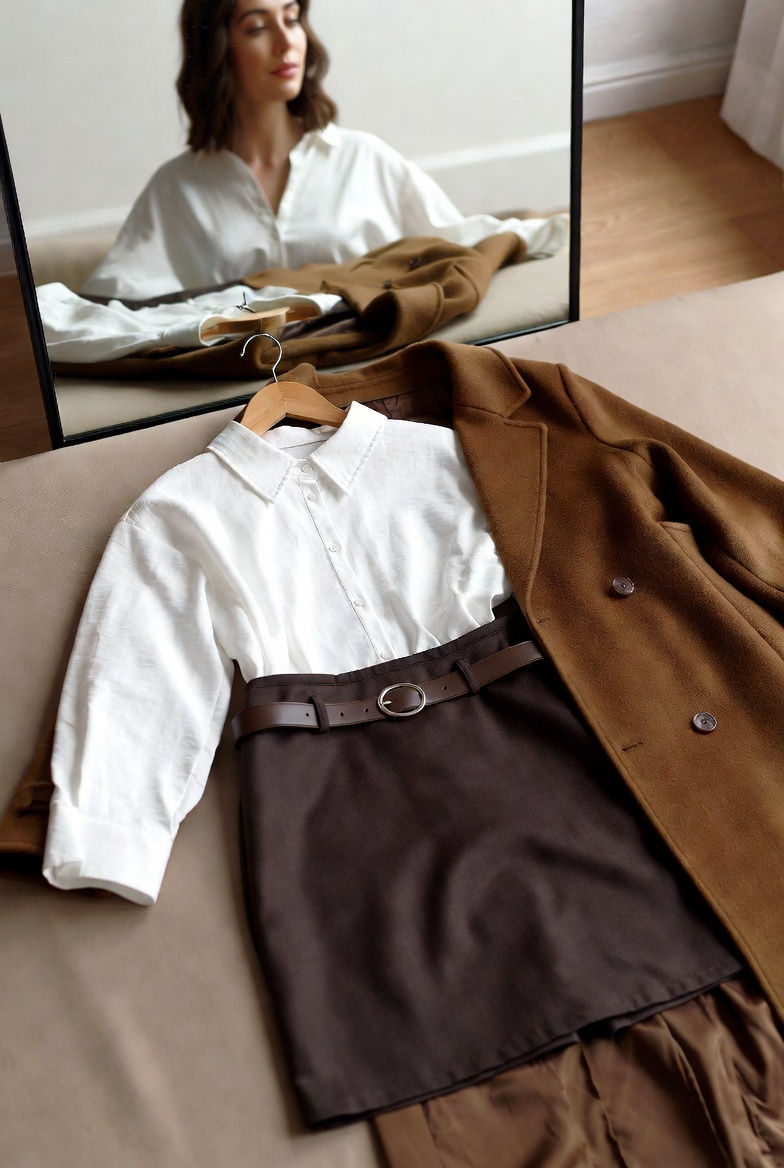
You could wear a lightweight sweater over the dress so it looks like a skirt and top. Add boots, and suddenly it feels like an entirely new outfit.
Or imagine placing a structured blazer over the same dress. Now it feels polished enough for work or dinner.
Even a denim jacket can shift the mood of an outfit.
Layering also helps you transition pieces across seasons.
A summer dress can move into fall with tights, boots, and a cardigan. A sleeveless top can work year-round when layered under a jacket.
You do not need a separate wardrobe for those first few weeks of fall. I explain how to transition what you already have in my guide to early fall outfits for warm weather.
The beauty of layering is that it allows you to reuse familiar pieces in unfamiliar ways.
And when you do that often enough, your closet starts feeling a lot more versatile.
Over time, layering becomes an important part of wardrobe planning and even building a minimalist wardrobe.
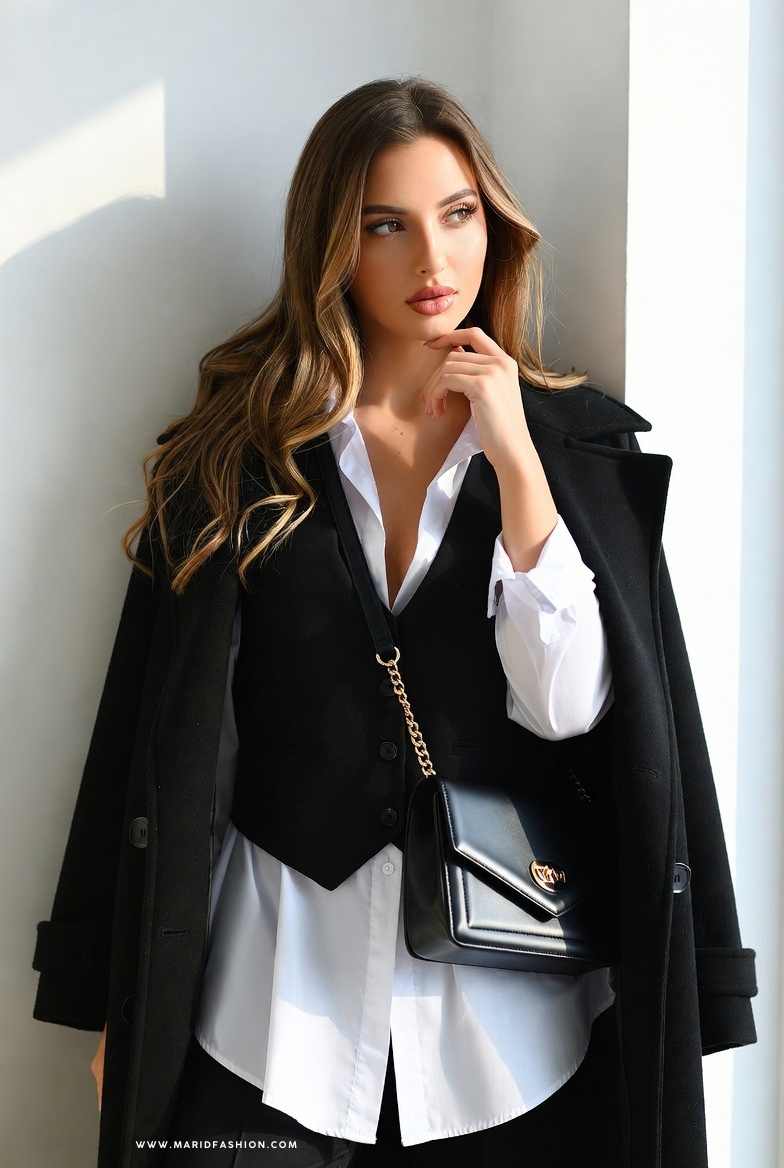
When your clothes work well together in layers, you don’t need as many pieces to create variety.
This is how many people gradually learn how to build a good wardrobe and elevate their wardrobe without constantly buying new clothes.
Step 7: Let Accessories Change The Story
Sometimes the difference between a forgettable outfit and a great one comes down to small details.
Accessories have the power to shift an outfit’s personality.
Think of them as the finishing touch that pulls the whole look together.
Even a very simple combination, like jeans and a sweater, can feel completely different once you add the right belt, jewelry, bag, or shoes.
This is often the step that transforms basic clothes into outfits that feel intentional.
Accessories are also one of the easiest ways to refresh outfits you already have in your closet.
Instead of changing the clothes themselves, you’re simply adjusting the details. A pair of gold earrings can make an outfit feel more polished.
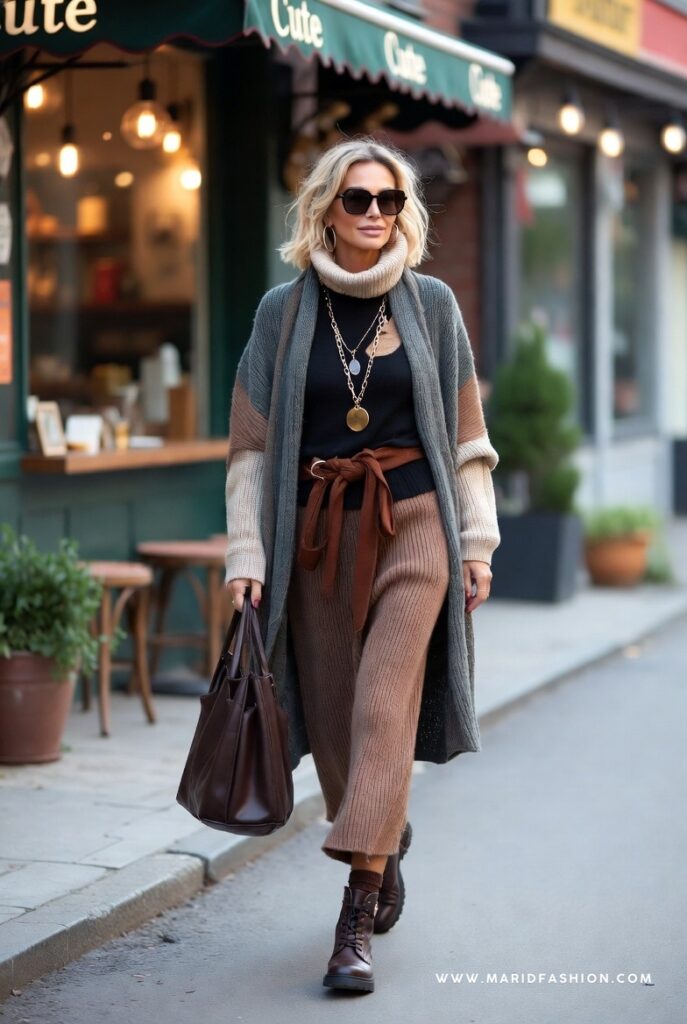
A scarf can introduce color and texture. A structured handbag can instantly make a casual look appear more refined. Small additions like these help you learn how to style clothes in a way that feels thoughtful rather than routine.
You have to use accessories almost like punctuation in a sentence. They finish the thought.
You don’t need dozens of them, either. A small collection can go a long way.
Consider experimenting with:
• belts that define shape
• scarves that add color or texture
• jewelry that draws attention upward
• bags that introduce contrast
• shoes that shift the tone of the outfit
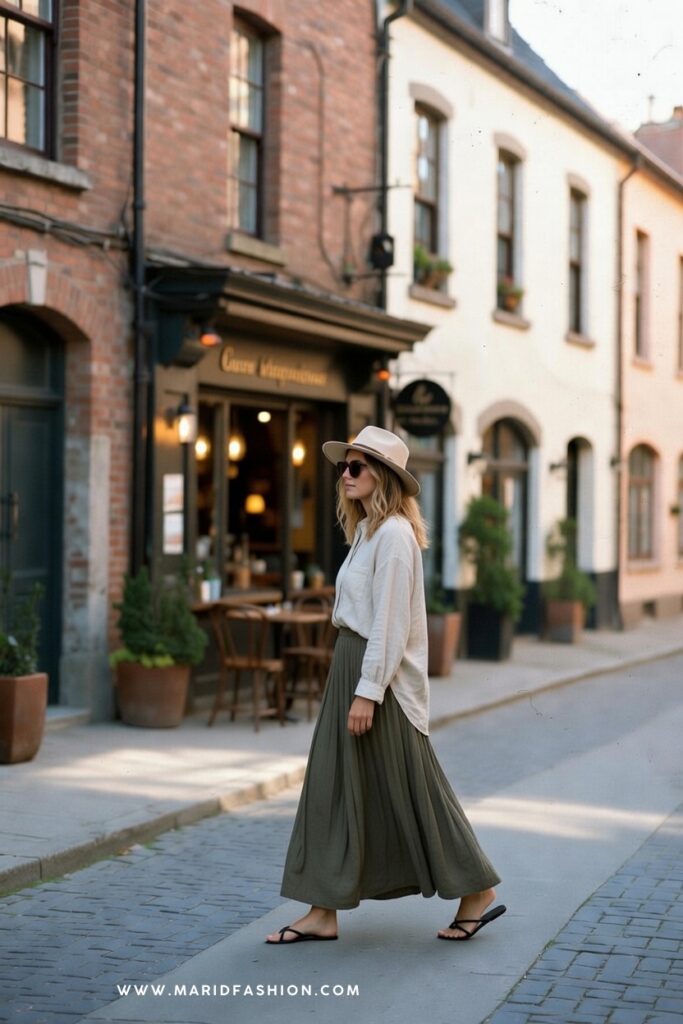

Shoes alone can completely transform a look.
Let’s do another example here.
The same outfit worn with sneakers feels relaxed. Swap them for ankle boots, and it becomes more polished. Change again to heels, and it suddenly feels evening-ready.
Once you start seeing accessories as styling tools instead of afterthoughts, you’ll discover new outfits hiding inside pieces you already wear.
Step 8: Choose The Right Shoes For The Outfit
Shoes often determine the overall mood of an outfit.
You might start with the same clothing pieces, but the shoes you choose can completely change how the look feels. That’s why paying attention to footwear is an important part of creating outfits that feel balanced and intentional.
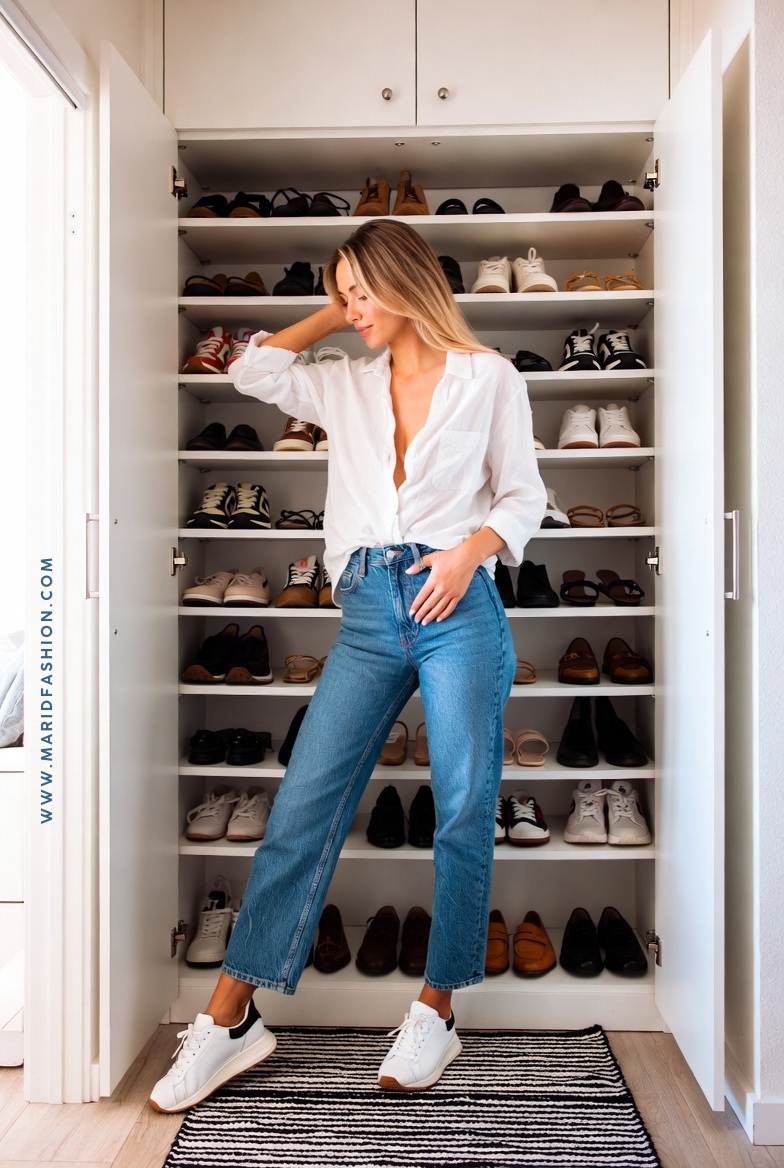
For example, a simple outfit like jeans and a sweater can take on a totally different personality depending on the shoes.
With sneakers, the outfit feels relaxed and casual.
If you switch to ankle boots, the look becomes more polished.
And if you add heels, suddenly the same clothing combination feels much more dressed up.
These small shifts are one of the easiest ways to discover new outfit ideas with clothes you already have.
Shoes can also help you guide the overall direction of your style.
If you want a more refined appearance, structured shoes like loafers, ankle boots, or classic pumps can help you dress sophisticated without changing the rest of your outfit.
On the other hand, relaxed shoes like sneakers or flat sandals can soften a more structured look and make it feel comfortable for everyday wear.
Step 9: Experiment With Different Combinations
One of the biggest barriers to shopping your closet is mindset.
Many people assume outfits have to be perfect before they try them.
But the thing is, style often develops through experimentation.
Some combinations will feel amazing. Others might not work at all. And that’s perfectly normal.
One of the most effective ways to shop your closet is simply to experiment.
Many people wear the same combinations over and over, even though their wardrobe could create many more outfits.
When you start trying new pairings, you quickly discover outfit ideas with clothes you already have that you may never have considered before.
Sometimes the best approach is simply to play with your clothes.
Try pairing two items you’ve never worn together before.
Put on a piece you rarely reach for and see what might work with it.
You might discover that a blouse you once considered “too dressy” actually works beautifully with relaxed jeans.
Or that a cardigan you thought looked dull suddenly feels interesting when belted.
Fashion is creative. And creativity requires curiosity.
Experimenting is also helpful for people going through a changing wardrobe phase.
Maybe your lifestyle has shifted, or your personal style has evolved.
Trying new combinations from your current closet can show you what still works and what no longer fits your style. This gradual approach can help you rebuild your wardrobe slowly while still getting plenty of use from the pieces you already own.
Step 10: Create a Few Outfit Formulas
I do nothing more than share outfit formulas in my articles. You can simply look at them again and learn what you like and what not.
Once you experiment with your wardrobe a bit, you’ll probably notice that certain combinations work again and again.
An outfit formula is simply a combination that works consistently well for you. Once you identify these combinations, creating outfits becomes much easier because you already know a structure that works.
For example, you might discover that you feel great wearing jeans with a blouse and a blazer, or a midi skirt with a knit sweater and boots.
These types of combinations become your personal formulas. Instead of starting from scratch every morning, you can rotate different pieces within the same structure and still create new looks.
Outfit formulas are especially helpful when you want to dress better with the clothes you have. They allow you to make the most of must have closet essentials like classic trousers, neutral sweaters, or well-fitting jeans.
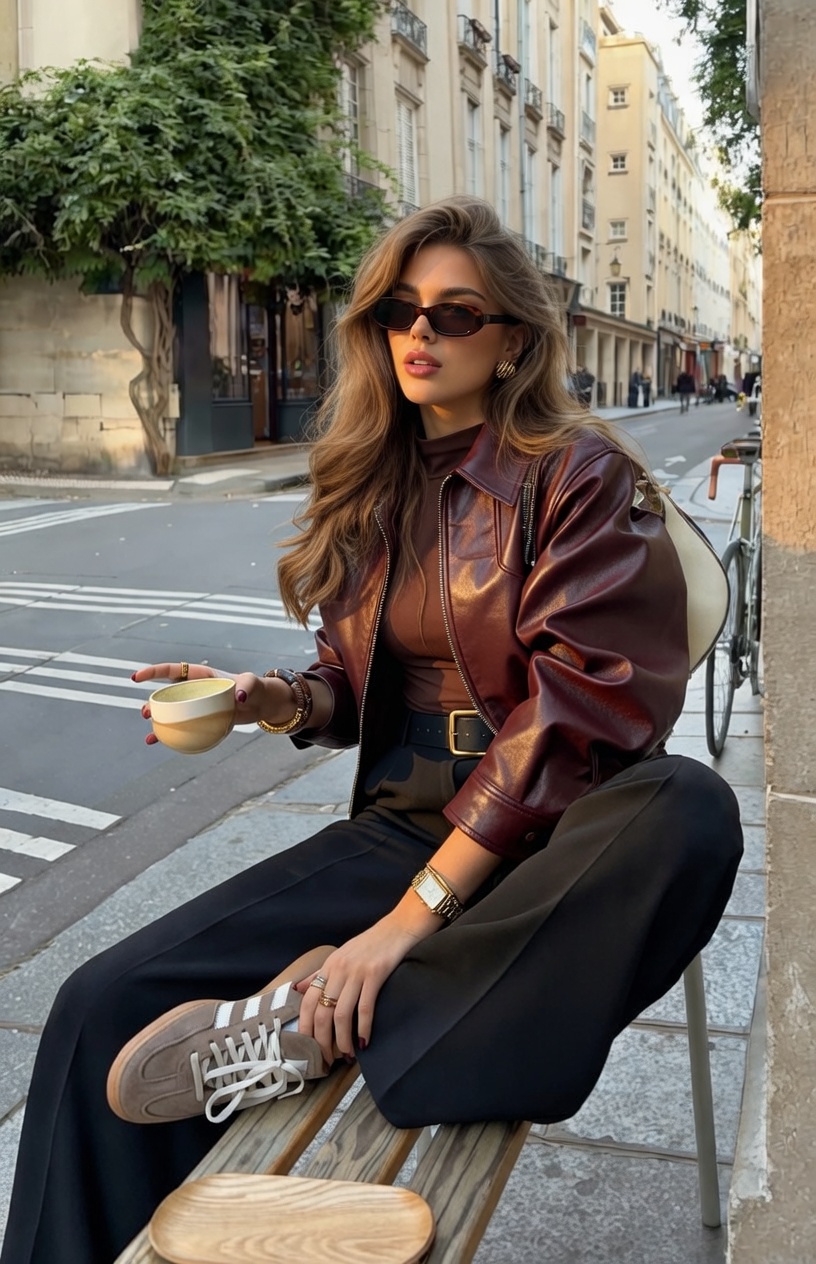
When your wardrobe includes versatile basics, you can use those pieces in multiple formulas and easily come up with outfits you already have in your closet.
Outfit formulas also work well for a minimalist wardrobe.
When your clothes mix easily within a few reliable combinations, you don’t need a huge number of items to create variety. Over time, this approach helps you elevate your wardrobe and even learn how to dress sophisticated without constantly adding new clothes.
In the end, formulas simply make getting dressed easier. They help you see the potential in the outfits already in your closet that might have once felt repetitive.
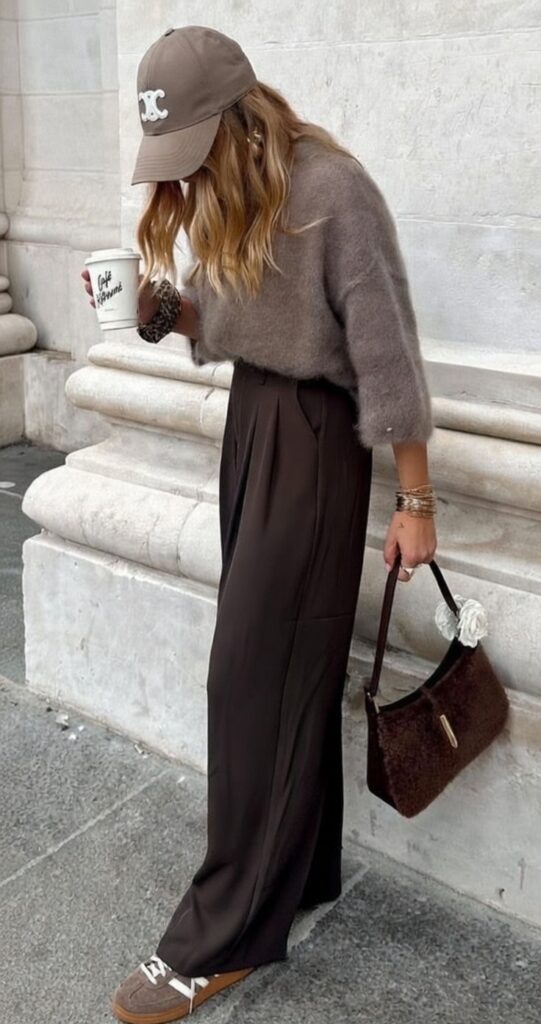
I don’t want to break with tradition, and here are a few outfit formulas that can look chic and modern this year;
- Straight-Leg Jeans + Tucked Button-Down + Loafers + Belt
- Tailored Trousers + Fitted T-Shirt + Blazer + Sneakers
- Midi Skirt + Lightweight Knit Sweater + Ankle Boots
- Wide-Leg Pants + Simple Tank Top + Structured Blazer + Heels
- Classic Jeans + White T-Shirt + Long Coat + Sneakers
- Slip Dress + Oversized Blazer + Minimal Sandals
- Midi Dress + Belt + Knee-High Boots
- Denim + Denim + Neutral Shoes
- Black Trousers + Knit Top + Statement Earrings + Flats
- Relaxed Jeans + Cardigan + Ballet Flats
These outfit formulas aren’t meant to limit your style—they’re simply a starting point.
Think of them as helpful guides that make getting dressed easier. Once you know a few combinations that work well, you can start swapping pieces and creating variations using clothes you already own.
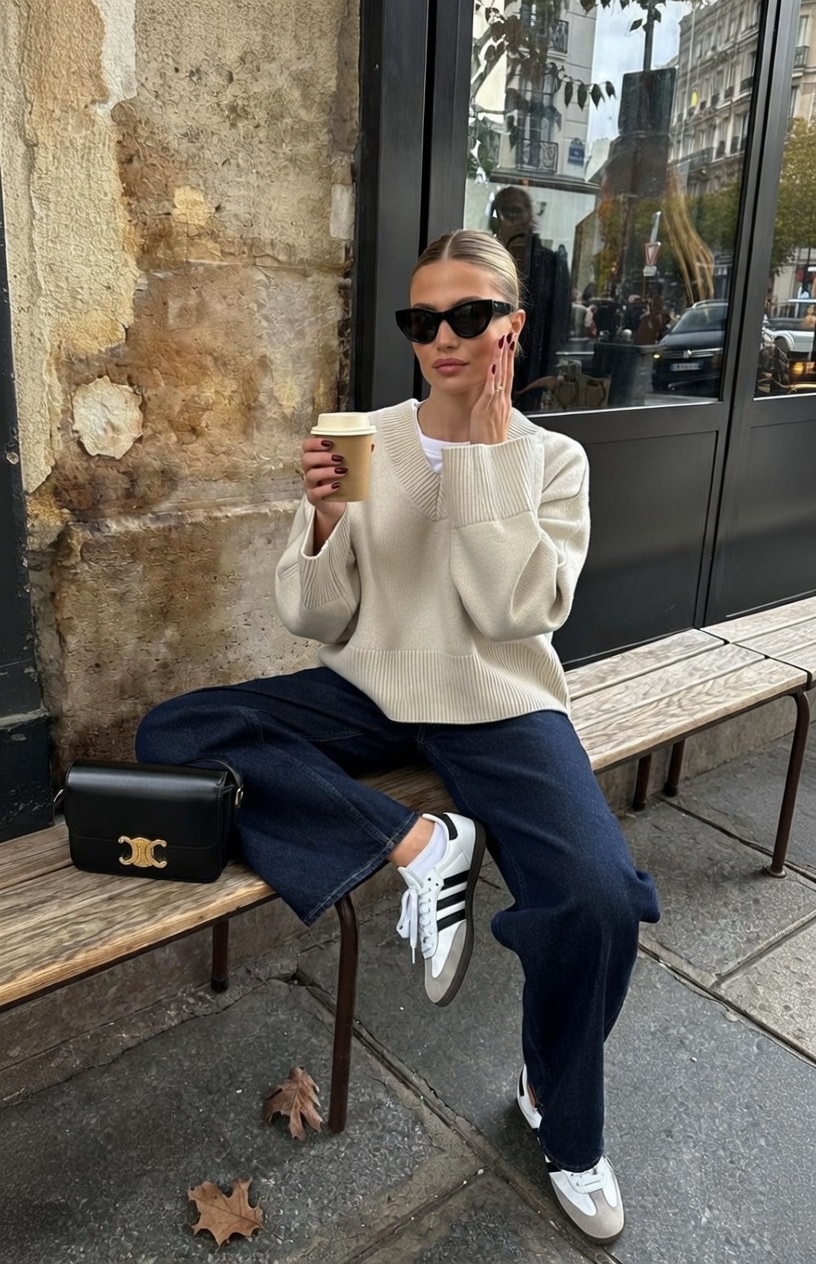
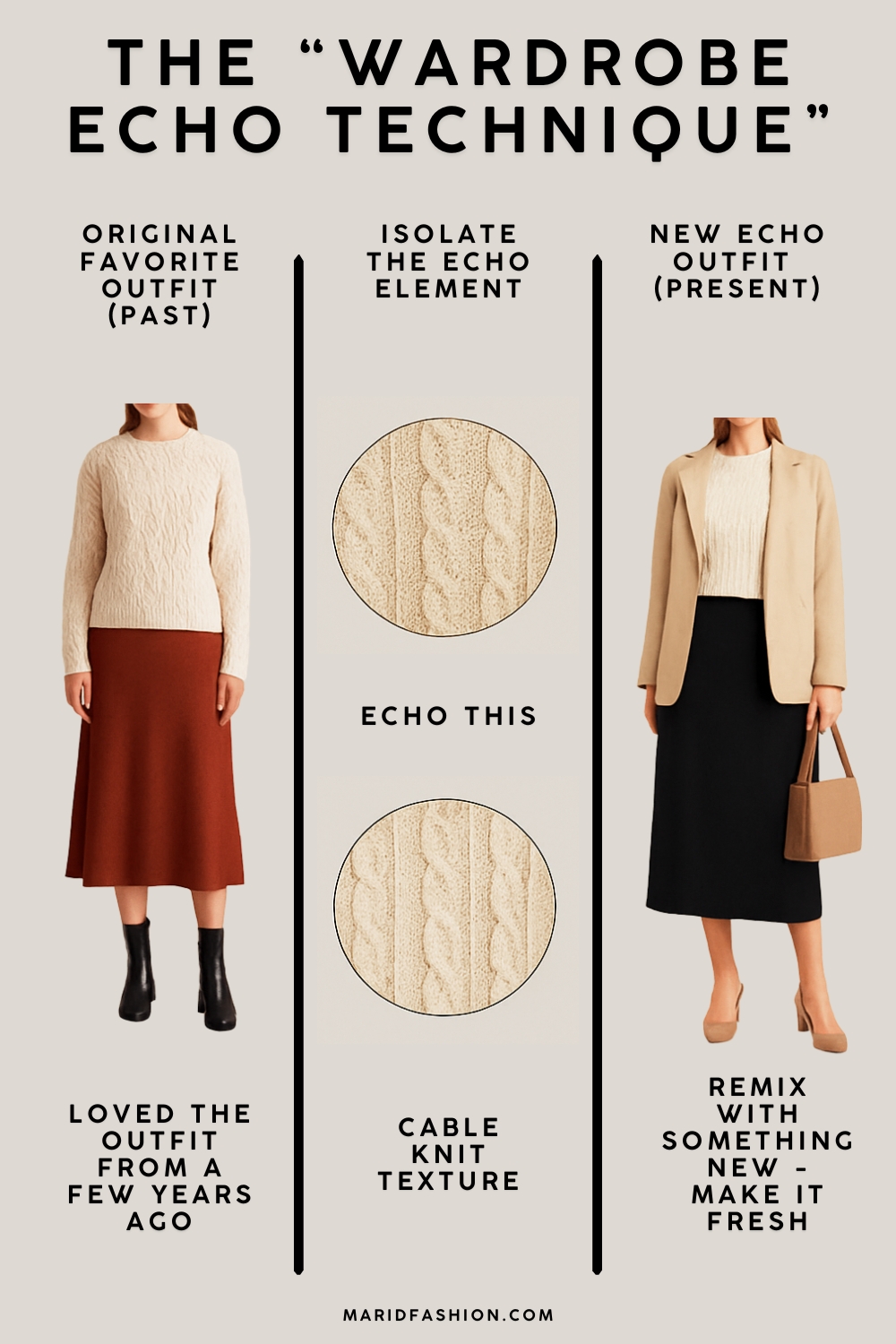
Try the “Wardrobe Echo Technique”
One creative way to discover outfits already in your closet is something I like to call the Wardrobe Echo Technique.
The idea is simple: instead of repeating an outfit exactly the way you wore it before, you take one element from that outfit and let it inspire a new one.
Step 1: Choose The Outfit You Loved The Most
To start using this method, first find the outfit combination that you loved, no matter when.
Maybe it was a simple combination you wore constantly a few years ago.
For example, you might remember loving a black skirt with a striped sweater and ankle boots.
Instead of copying it exactly, identify what made it feel good.
Was it the contrast of black and white?
The mix of structured and relaxed pieces?
Step 2: Separate the element you want to echo
Let’s say the element you loved was the striped pattern.
Now look around your closet for another piece that carries that same feeling.
Maybe you have a striped button-down shirt you haven’t worn much lately.
Step 3: Build a new outfit around that echo
Instead of the black skirt from your original outfit, you might pair the striped shirt with high-waisted jeans and a blazer.
Add loafers and a belt, and suddenly you have a look that feels fresh while still carrying a subtle connection to something you loved before.
You can echo colors, textures, silhouettes, or accessories.
For example:
• echo a color you used to wear often
• echo the relaxed shape of a favorite outfit
• echo the layered jewelry style you loved years ago
This technique works because it blends familiar comfort with creative change.
It’s nostalgic, but not repetitive.
And sometimes it leads to combinations you would never have tried otherwise.
Let me know what you think about this technique and how you’re gonna try it?
Don’t forget to follow me on my Pinterest, Instagram, and Facebook pages. You can always find me there.
Here is my YouTube channel, too, in case you want to watch some exclusive stuff.
Final Thoughts: Your Closet Is More Powerful Than You Think
When people talk about improving their style, the conversation often focuses on buying new clothes.
But some of the most stylish people you’ll meet aren’t constantly shopping.
They’re simply very good at using what they already have.
They understand how pieces work together. They experiment with layering. They use accessories thoughtfully. And they revisit old favorites in new ways.
Once you start doing the same, your wardrobe begins to feel different.
The next time you stand in front of your closet wondering what to wear, remember this:
You probably don’t need more clothes.
You just need to look at the ones you already own a little differently.
And sometimes, the best outfit you’ll wear all week is already hanging right there in your closet.
