
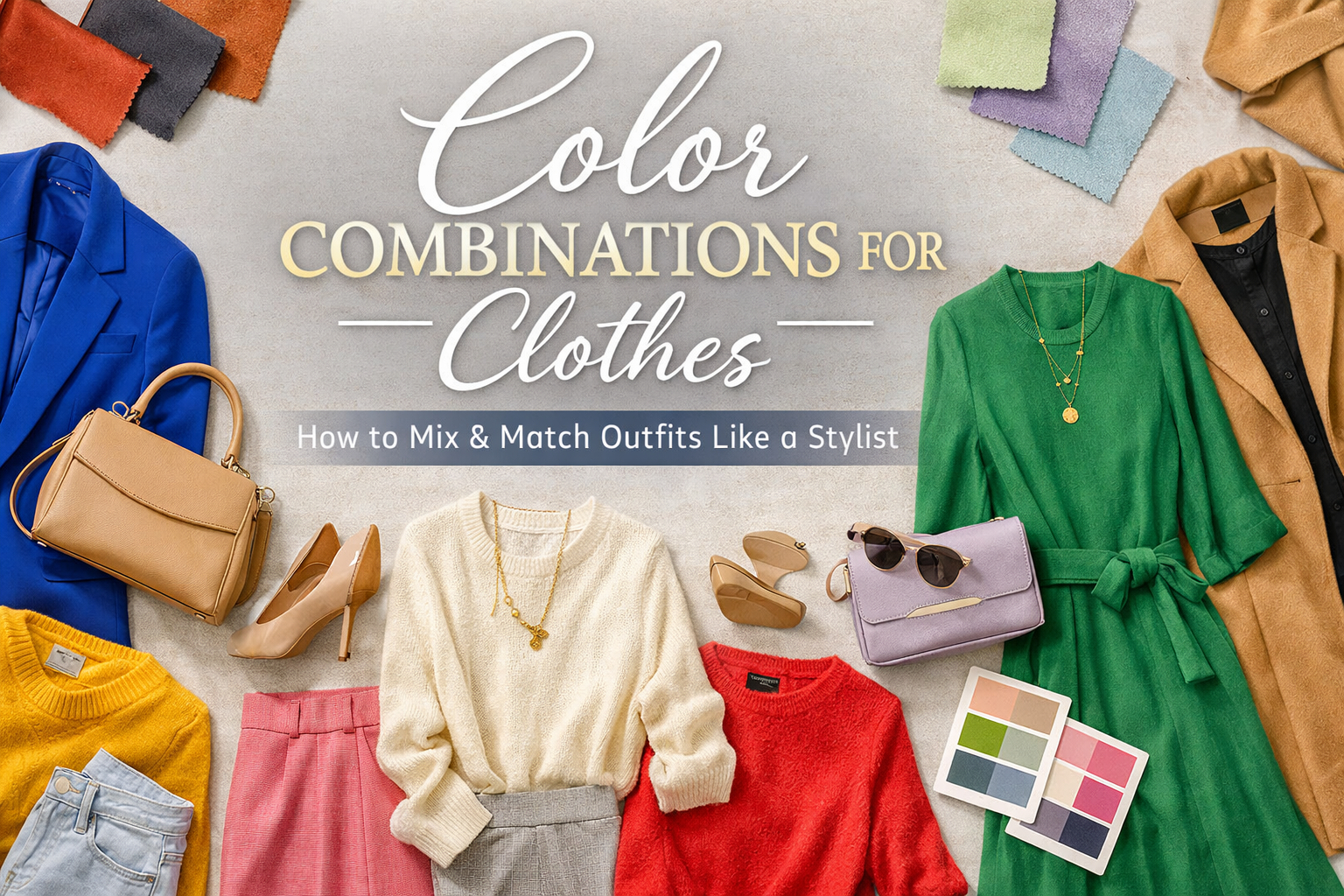
So many of you have written to me asking about color combinations for clothes — what colors go together, how to mix them without clashing, and how to make outfits look more intentional.
If you’ve ever stood in front of your wardrobe wondering whether two pieces actually match, you’re not alone.
In this guide, I’ll show you the simple tips stylists use to pair colors so your outfits feel balanced, cohesive, and polished.
But that’s not all.
You will find a few techniques that you can use to pair colors from your wardrobe.
So, if you are planning to upgrade your wardrobe, let me help you find the best color palette for it.
Why color combinations matter?
Color is one of the first things we notice in an outfit. Before we register the cut, the fabric, or the details, we perceive the overall color impression.
This is why two very simple outfits can feel completely different depending on the colors.
When colors work together, the outfit looks intentional and harmonious. When they don’t, even beautiful pieces can feel disconnected.
You need to understand that color combinations for clothes are what turn separate garments into a cohesive look.
It allows you to use what you already own more effectively, create more outfits from fewer pieces, and express your style with confidence.
Also, balanced palettes tend to look more sophisticated. And random combinations can often feel unplanned.
This doesn’t mean all your outfits must be neutral. You can use bold colors to look elegant, you just need to pair them the right way.
There is also another reason why color combinations should matter to you.
Your wardrobe may contain limited colors, which means you are repeating the colors with different pieces.
You need to know how these colors interact to make yourself dress faster and easier.
How to Combine Colors in Clothes
There are several techniques you can use to combine colors in clothes.
And fortunately, I am here to share all of the best ones today.
Combine Colors With Neutrals
When you want to save a safe spot for yourself, you can pair one or max two colors with a neutral color.
Neutrals such as white, cream, beige, camel, gray, navy, and black create a calm visual base that allows other colors to stand out. These shades carry low intensity, which is why they naturally balance brighter or deeper tones.
When a color is placed next to a neutral, the combination immediately looks more refined and intentional.
White
There are a lot of colors that you can pair with white.
You can easily pair white with cream, ivory, beige, camel, tan, taupe, gray, charcoal, black, chocolate brown, navy, denim blue, cobalt, red, burgundy, blush, soft pink, lavender, sage, olive, emerald, and coral.
These combinations work because white adds brightness and clarity. This is what makes both soft and bold colors appear more refined.
You can also see some examples of how outfits with white and different colors look together.
P.S. You can save this image to your Pinterest board, so that you can easily find pieces when you decide to pair white with something from your closet.

Cream
Cream is one of the most elegant neutral colors in a wardrobe. It’s softer than white and warmer than beige.
It creates outfits that feel light, elegant, and quietly luxurious.
Cream also works beautifully across seasons.
In spring and summer, it feels fresh and airy if you wear it with soft colors like blush, sage, or lavender.
In autumn and winter, it balances richer tones such as rust, terracotta, burgundy, and deep green.
Unlike bright white, which can feel cool in colder months, cream maintains warmth year-round.
Cream is ideal for monochrome or neutral layering outfits.
These are the colors you can pair with cream: ivory, beige, camel, tan, taupe, gray, charcoal, black, chocolate brown, navy, denim blue, red, rust, terracotta, olive, sage, blush, dusty pink, and lavender.
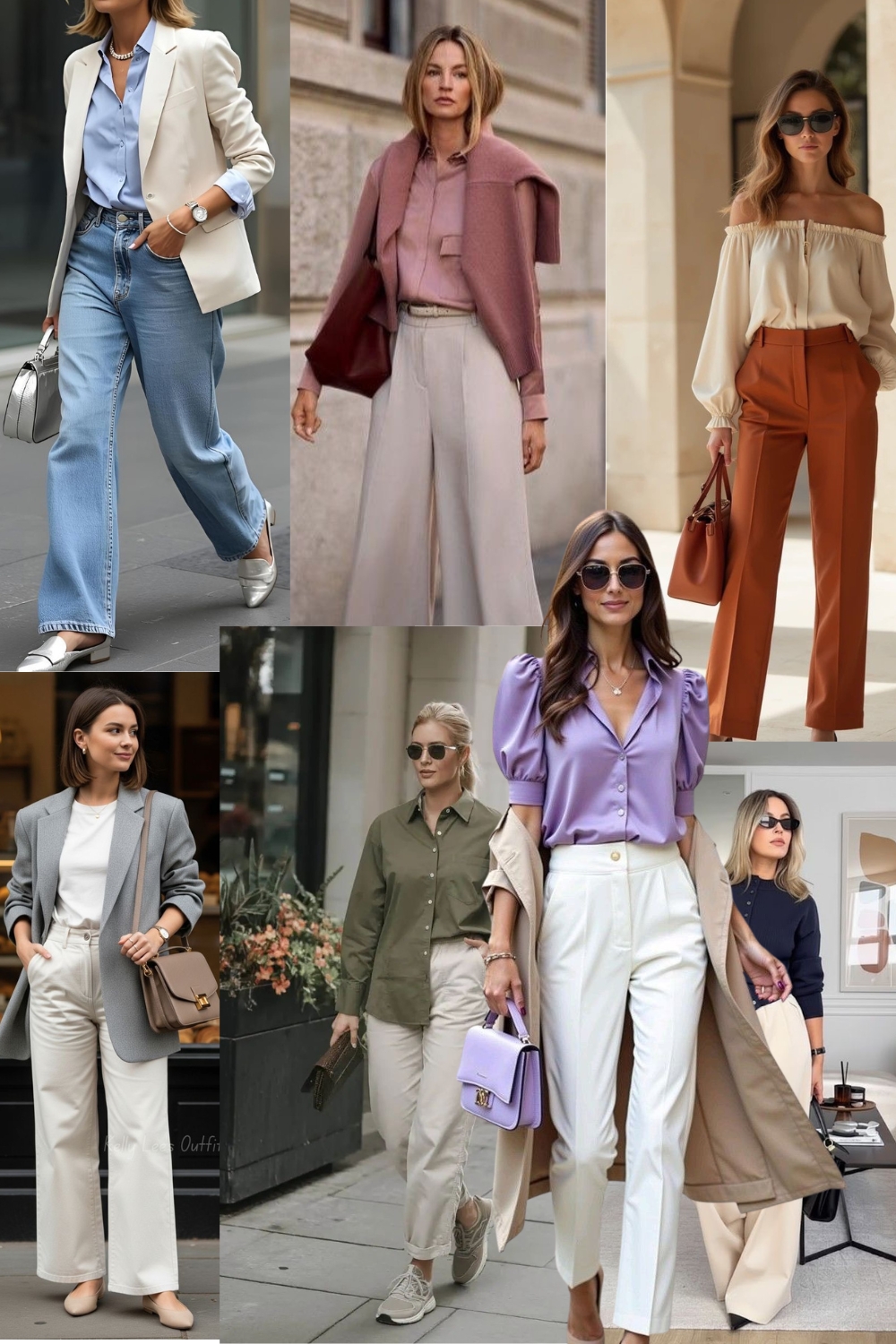
Beige
Beige is one of the most classic and versatile neutrals in clothing. Sitting between cream and camel on the warm neutral spectrum, it creates outfits that feel calm, elegant, and naturally polished.
You can pair it with both soft and deep colors to create balanced looks.
Beige also acts as a stabilizing base for stronger colors.
When you pair beige with shades such as red, cobalt, navy, or emerald, it softens their intensity and prevents the outfit from feeling too bold.
Neutral colors are great if you work at the office and have smart casual, business casual, or any other dress code.
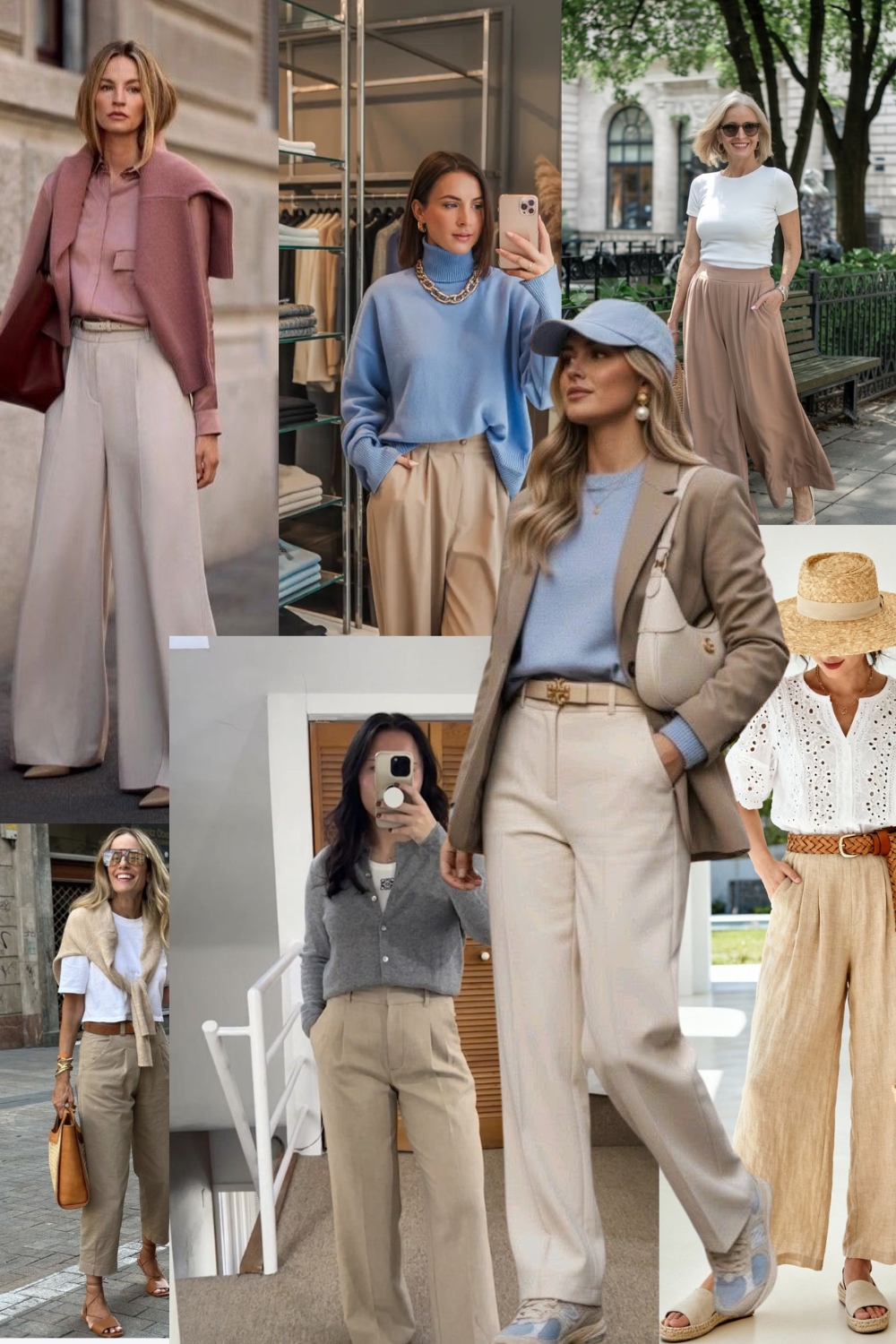
A beige coat, blazer, or trousers often looks more elevated because the focus shifts to silhouette and material rather than color contrast.
This modest sophistication is a key reason beige is widely used in classic and contemporary fashion.
You can pair beige with white, cream, ivory, camel, tan, taupe, gray, charcoal, black, chocolate brown, navy, denim blue, cobalt, red, rust, terracotta, olive, sage, blush, soft pink, dusty pink, and lavender.
Gray
White, cream, beige, camel, taupe, charcoal, black, navy, denim blue, cobalt, red, burgundy, blush, soft pink, lavender, sage, and emerald are colors that pair with gray perfectly.
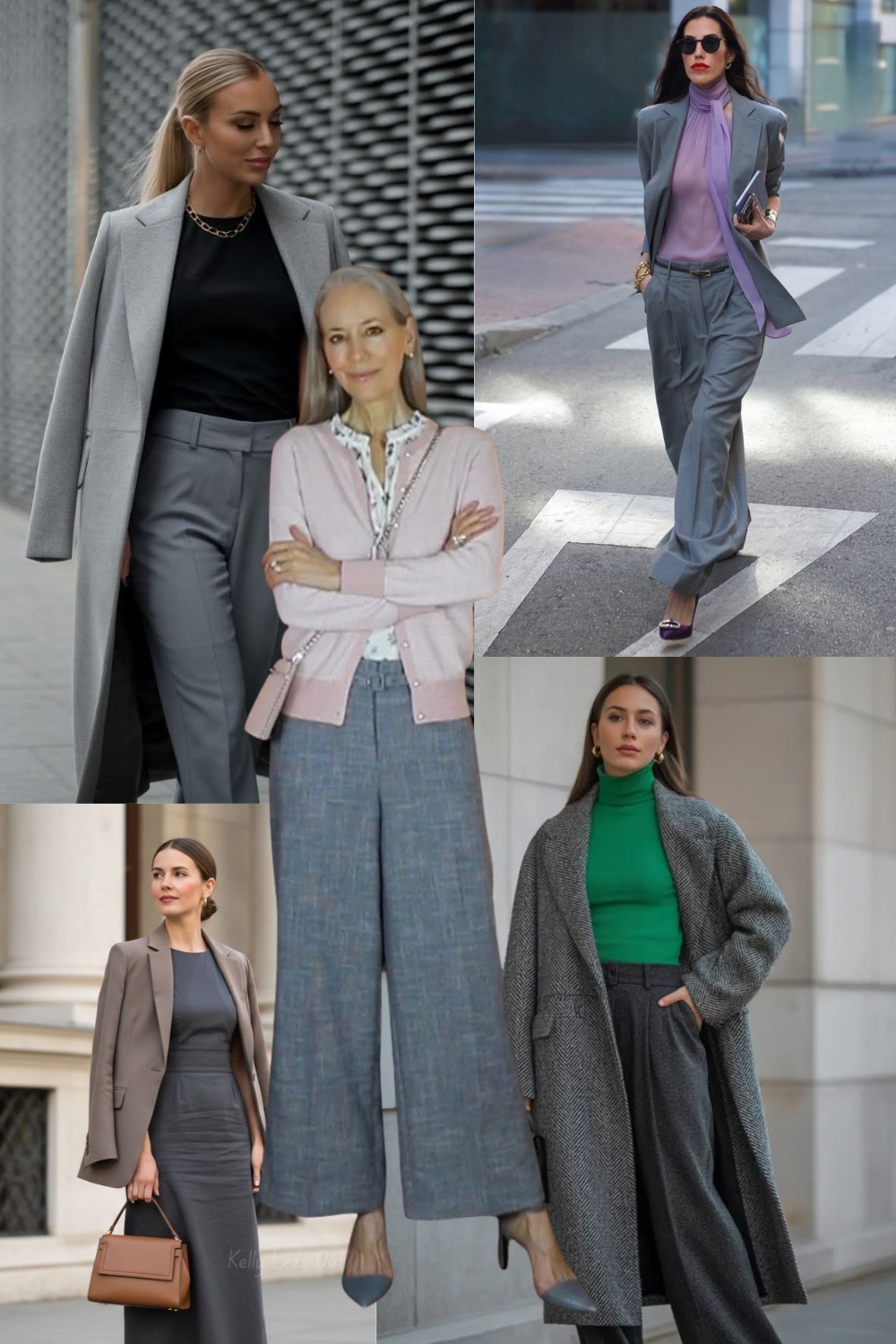
Gray has a unique role in clothing because it connects colors rather than dominating them.
Unlike black, which creates a strong contrast, or beige, which adds warmth, gray sits calmly between tones. This is why you can pair it with both soft and bold colors and still have a perfect balance.
Another reason gray works so well in modern wardrobes is that it rarely competes.
It allows texture, silhouette, and surrounding colors to stand out. This is why gray tailoring, coats, and knits often appear understated.
Navy
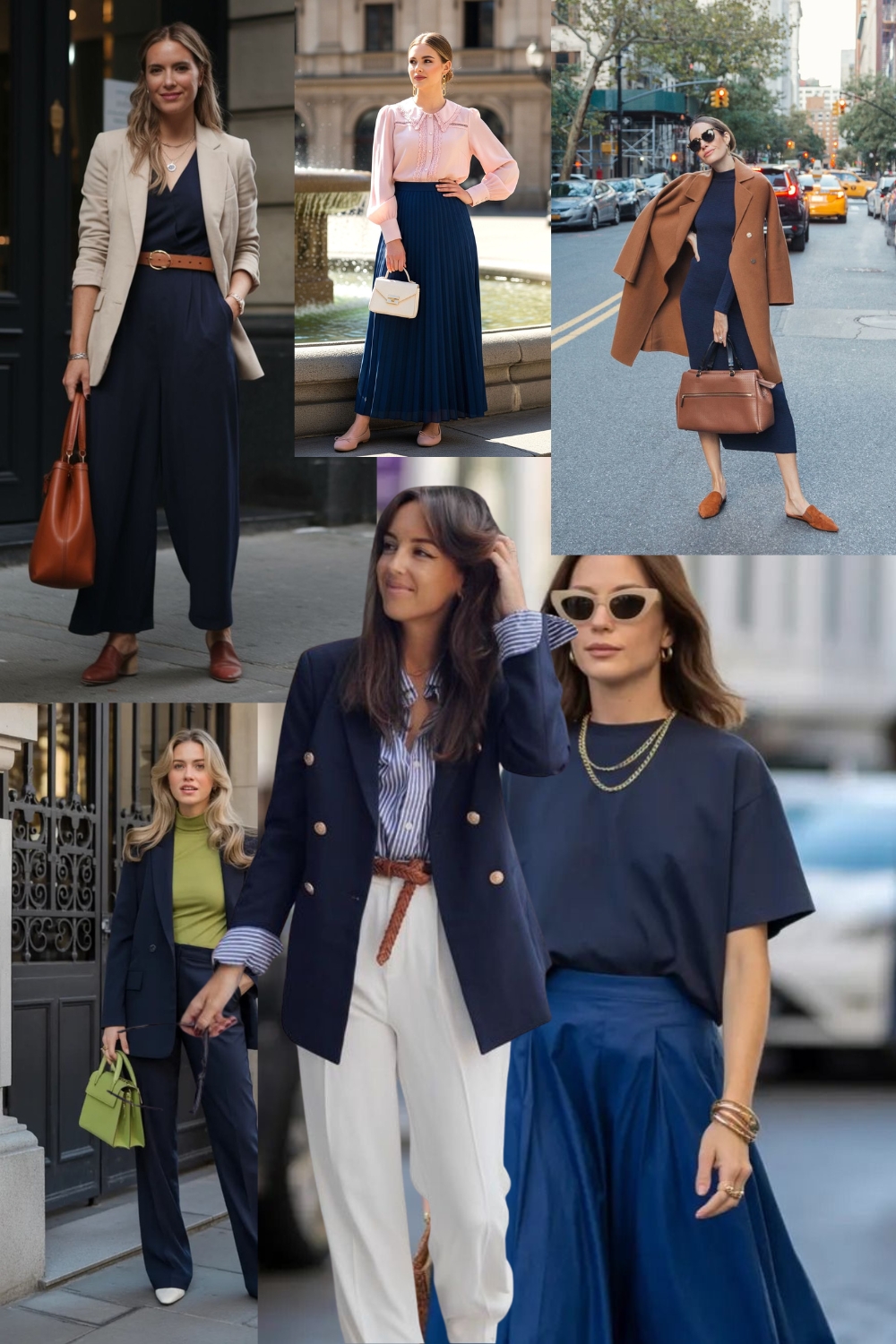
Navy is one of the easiest colors to wear because it works with almost everything.
It’s darker than blue but softer than black, which makes it feel polished without looking too harsh.
Many people think of navy as a “safe” color, but it’s actually very versatile and can look both classic and modern depending on how you style it.
Navy also works across all seasons.
In warmer months, it feels clean and light with white, soft pink, or light blue. In cooler months, it becomes richer with gray, burgundy, olive, or mustard.
This makes navy pieces easy to wear year-round, which is why you should have navy coats, trousers, sweaters, and dresses in your wardrobe.
You can pair the navy color with white, cream, beige, camel, tan, gray, charcoal, black, denim blue, cobalt, red, burgundy, blush, soft pink, lavender, olive, sage, and mustard.
But you know what’s more exciting? That’s not all the reasons why you should have at least a few navy pieces in your wardrobe.
Another helpful thing about navy is that it can replace black in your outfits. If black feels too heavy or sharp for your face, you can use navy tops to make your look softer and more relaxed.
Black
I know you think you know everything about black. But wait…
Black is one of the most popular clothing colors in the world, and there’s a good reason for that.
It instantly makes outfits look more polished and intentional. Because it’s so dark, black creates a clear contrast with other colors, which helps shapes and details stand out more.
One interesting thing about black is that it changes depending on what you pair it with.
For example, black next to white looks sharp and graphic. With beige or camel, it feels softer and more elegant. With bright colors like red or fuchsia, it suddenly looks bold and dramatic.
So even though black itself doesn’t change, the mood of the outfit does.
That’s amazing, right?
Black can also make other colors look stronger.
For example, emerald looks richer with black than with gray. Hot pink looks brighter next to black than next to white.
This happens because dark colors make lighter or brighter ones appear more intense. That’s why black is often used as a background in fashion, just like in design.
Another reason we love black is that it visually simplifies outfits. When you wear several black pieces, the eye focuses less on color and more on your shape, fit, and texture.
This is why all-black outfits often look sleek and modern — the color disappears, and the silhouette becomes the focus.
What colors pair with black?!
White, cream, beige, camel, tan, gray, charcoal, navy, denim blue, cobalt, red, burgundy, hot pink, fuchsia, purple, emerald, and olive.
These are some of the neutral colors that you can pair with other colors.
But remember, you can always pair neutrals together to make outfits that feel calm, cohesive, and elegant.
You can combine shades like cream, beige, camel, gray, or navy (max 3 at a time) to create a balanced palette that never looks overwhelming and always feels timeless.
Wear Different Shades of the Same Color
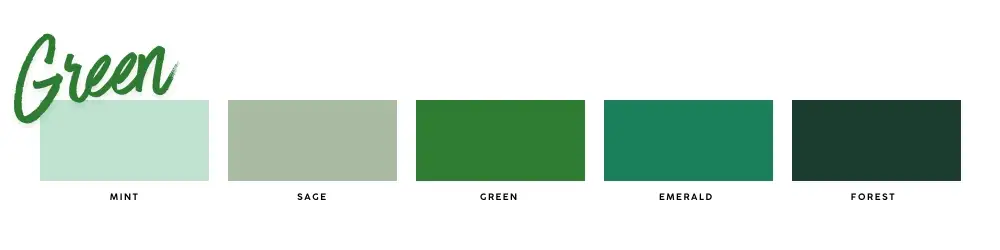
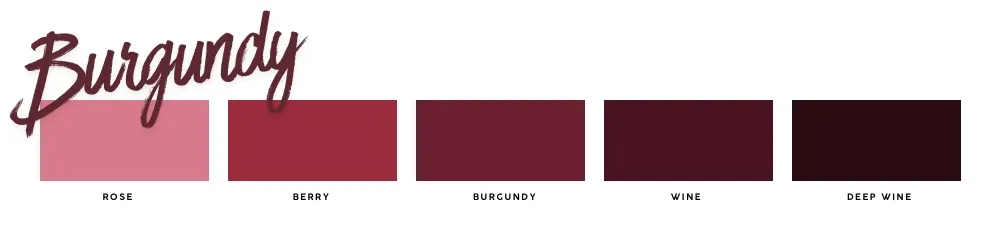
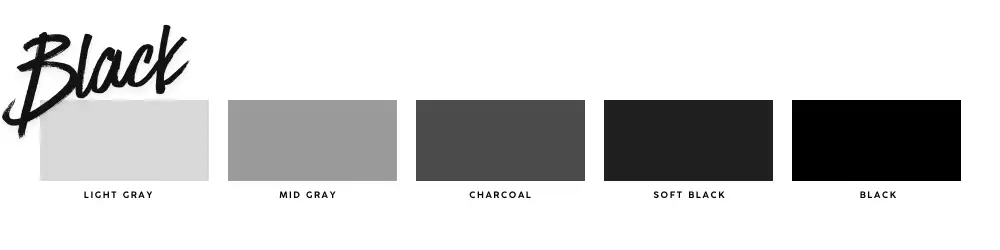
One of the easiest ways to create a chic outfit is to wear different shades of the same color.
This technique is often called tonal or monochromatic dressing, and it simply means combining lighter and darker versions of one color family in a single look.
Since the colors have the same hue, there’s no risk of colors clashing or competing.
Wearing multiple tones of one color also adds depth. Instead of looking flat, the outfit gains dimension through contrast in lightness and darkness.
Another reason this technique works so well is that it creates visual flow. When you are wearing different shades, the eye moves smoothly, and the silhouette appears longer and more continuous.
Wearing different shades of the same color is also practical.
Once you know a color suits you, you can build outfits around it easily by mixing lighter and darker pieces you already own.
This makes dressing faster and more intuitive, since you’re working within a palette that already harmonizes your face and skin.
Here I’ve included visual examples of shades within the same color family to help you see how tonal combinations actually work in outfits.

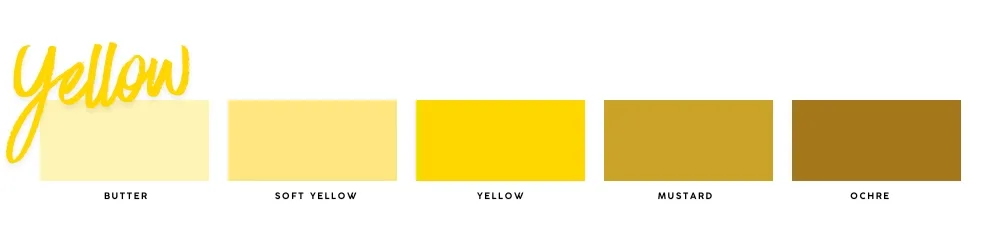

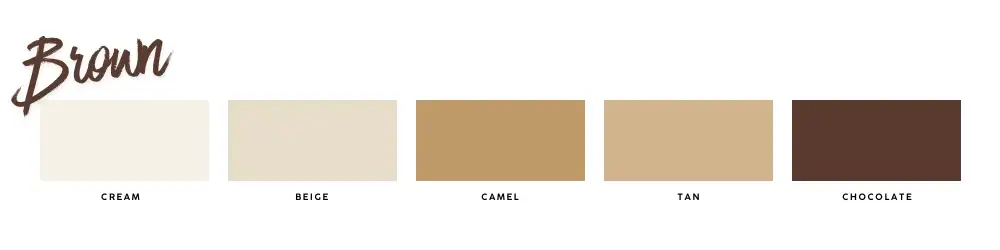

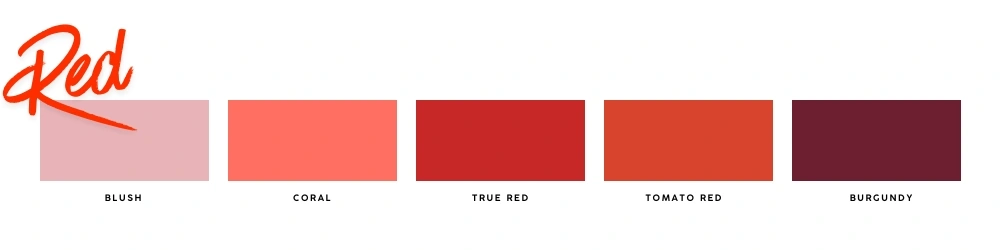


For example, you can wear light blue trousers, a denim shirt, and a navy coat.

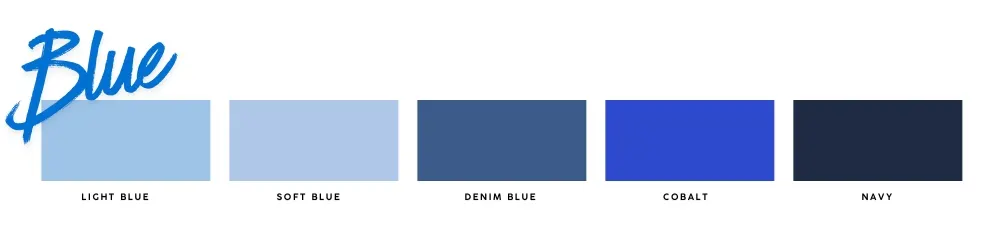
Even though the shades range from light to dark, the fact that they’re all blue keeps the outfit looking cohesive and interesting to look at.

Here is one example of the outfit that you can create by wearing different shades of pink in the outfit.
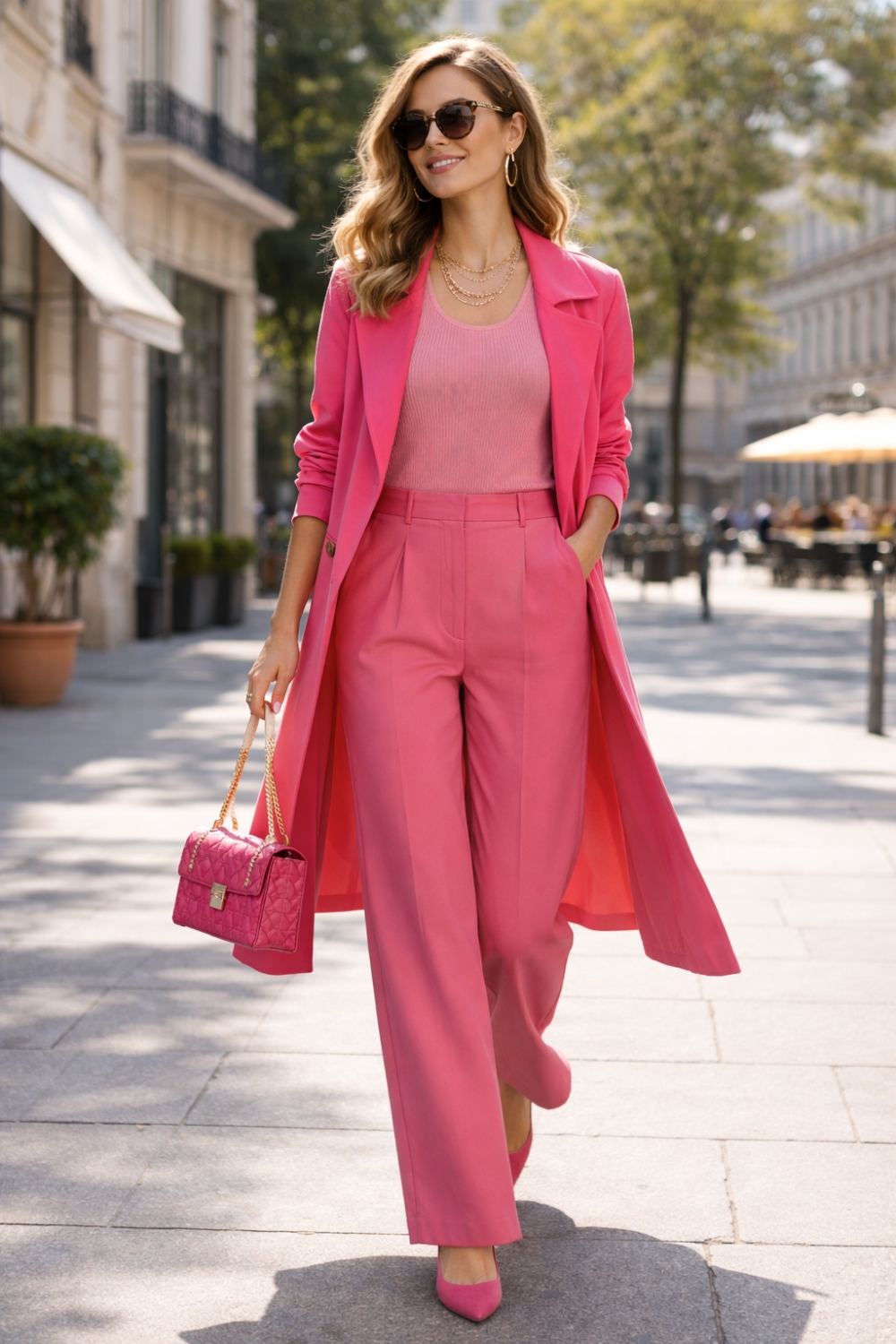
This outfit shows how wearing different shades of pink can look both bold and elegant at the same time.
The look combines a deeper pink coat, mid-tone pink trousers, and a softer pink top. Even though each piece is a slightly different shade, they all belong to the same color family, so the outfit feels cohesive and not busy.
This is a great example of how monochromatic dressing doesn’t have to mean neutral or minimal. Using multiple shades of a brighter color can create a statement outfit that still looks polished and harmonious.
Use the Color Wheel to Combine Colors
There are a few different techniques that you can use the color wheel for different color combinations for clothes.
Opposite Colors (Complementary)
Complementary colors are colors that sit opposite each other on the color wheel.
For example, red – green, purple – yellow, orange – blue, and green-red are all complementary colors to each other.
They are very different, so that creates a strong contrast when you wear them together. This is the contrast that makes the outfit look more dynamic and visually interesting.
In fact, each color helps the other to stand out.
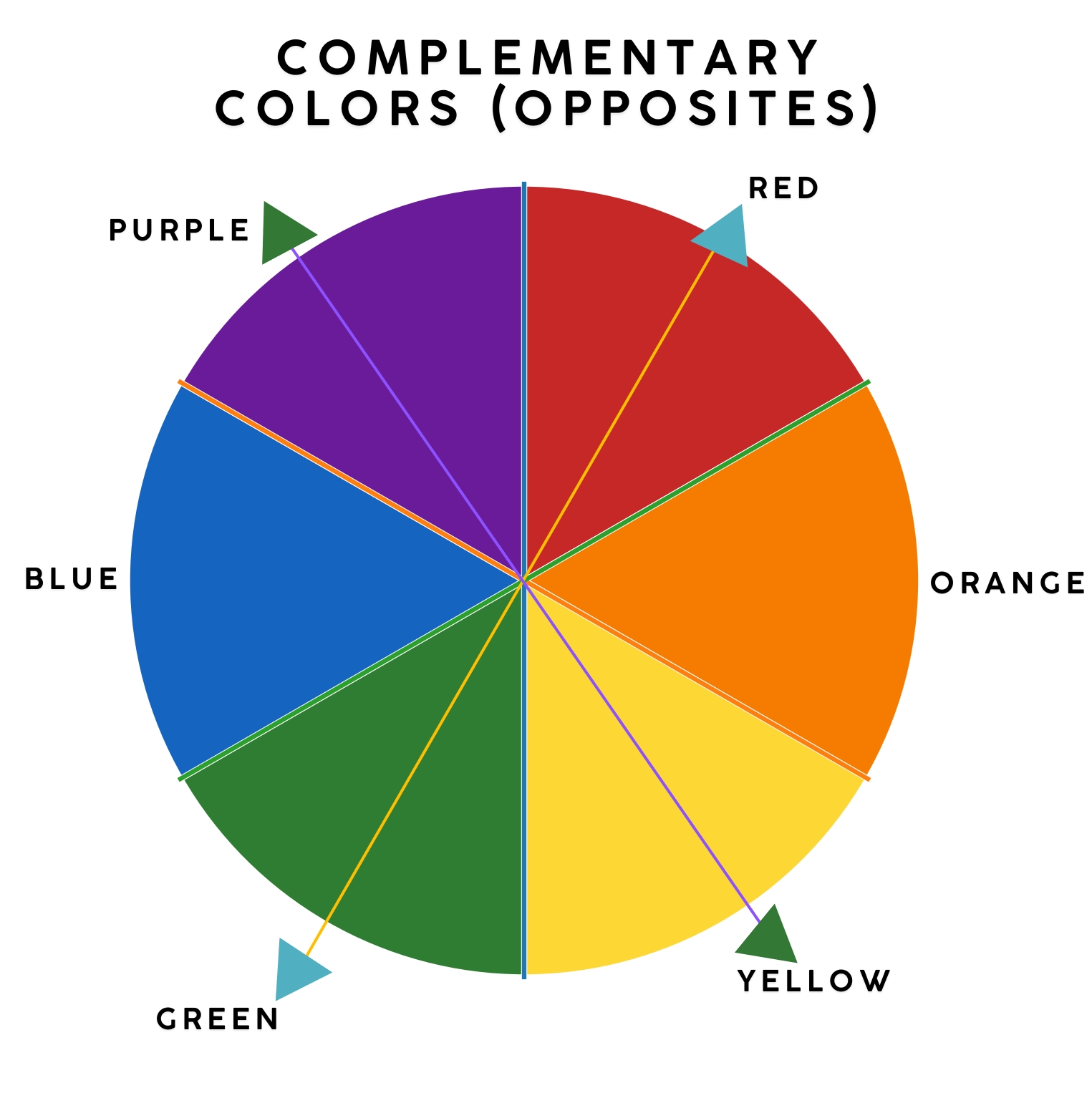
In clothing, complementary combinations often feel bold but balanced at the same time.
For example, blue and orange are opposites, which is why navy pairs so well with rust or camel.
Red and green are also opposites, which explains why red looks rich with olive or deep green.
Colors on this specific color wheel are bright colors. But you remember you can use different shades of these colors if you want to make softer versions.
For example, use burgundy instead of red and olive instead of green. These colors are just more wearable.
You can use the same technique to choose the accessory for the outfit. You may not wear these colors in the outfit, but you can choose the color of your accessory (handbag, scarf, shoe, etc).
For example, if you’re wearing a navy outfit, you don’t need to add orange clothing to create contrast.
Choosing rust or camel shoes or a bag already introduces the complementary effect. The outfit stays refined, but the accessory adds visual balance.
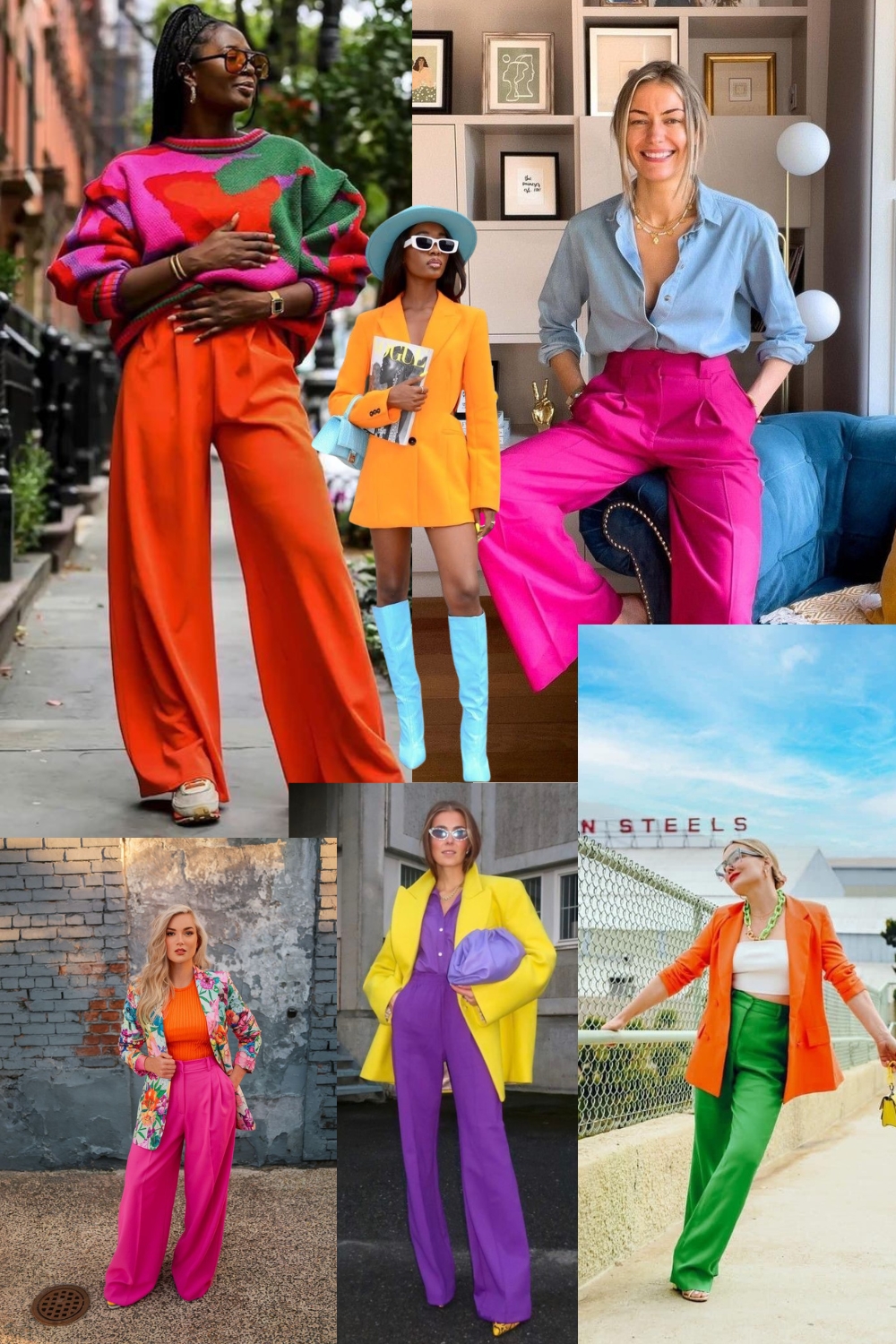
Here are some examples of how complementary colors look in the outfit.
Neighboring Colors (Analogous)
Neighboring, or analogous, colors are colors that sit side by side on the color wheel, which means they share a similar color base.
An easy way to understand analogous colors is to see them as colors that sit next to each other in the same color family.
For example, green can move toward blue through teal, or toward yellow through olive. This is why navy works easily with teal, and why olive pairs naturally with mustard.
The colors aren’t identical, but they belong to the same visual neighborhood, so they sit comfortably together.
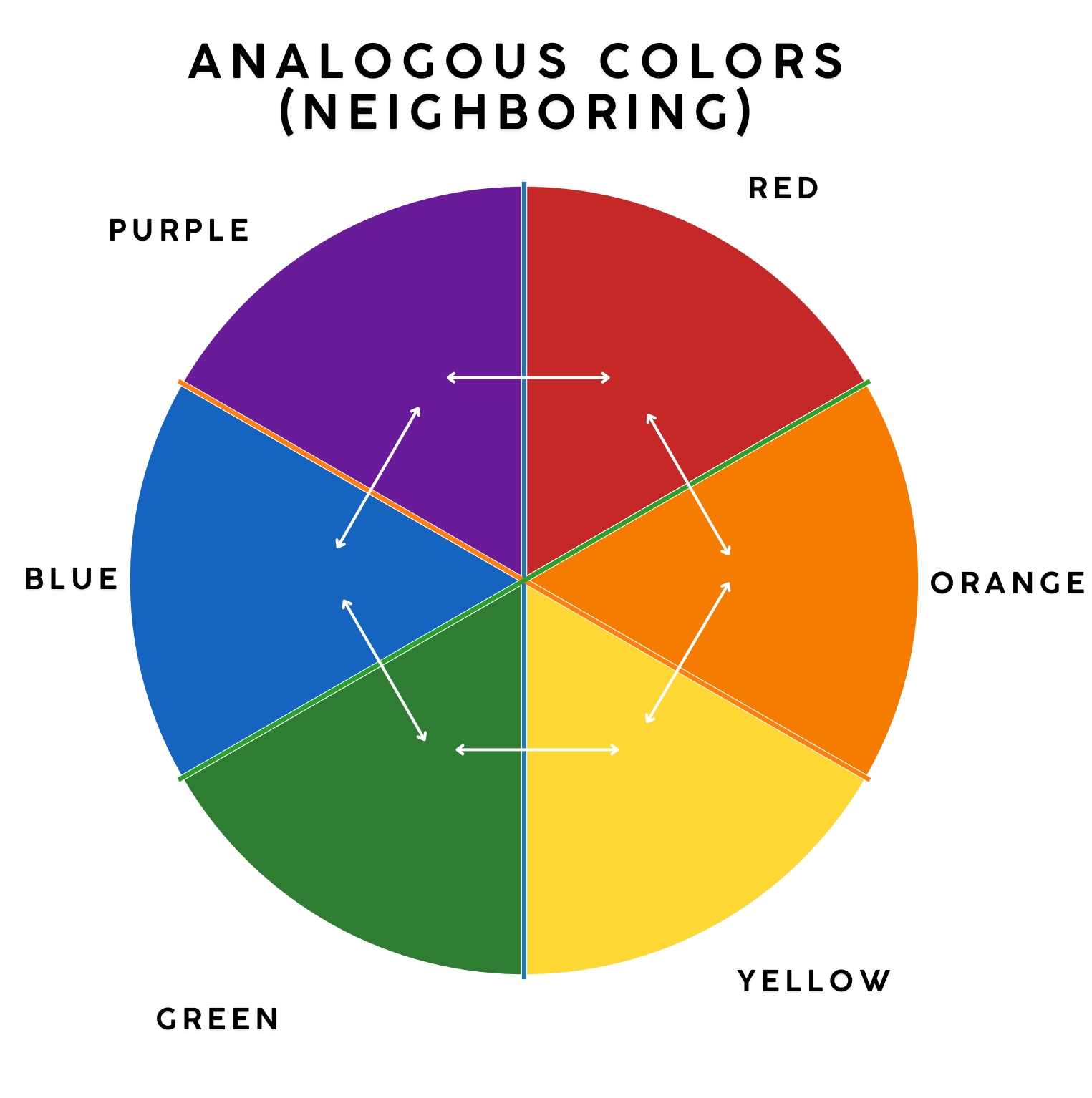
This technique is especially useful when you want to wear an outfit with multiple colorsthat looks too busy. Since the colors are similar, the outfit feels balanced rather than mixed together.
You can also use this idea in small ways.
If your outfit is one main color, you can match an accessory from a close shade to add interest.
For instance, a sage bag with green clothing or rust shoes with terracotta tones continues the same color story instead of interrupting it.
Here is a different color wheel with more shades for you to understand this better.
If you have questions, feel free to reach out on my YouTube channel or simply drop a message on my social platforms.
Here are my Pinterest, Facebook, and Instagram pages.

And definitely, here are some outfit ideas with neighboring colors technique.
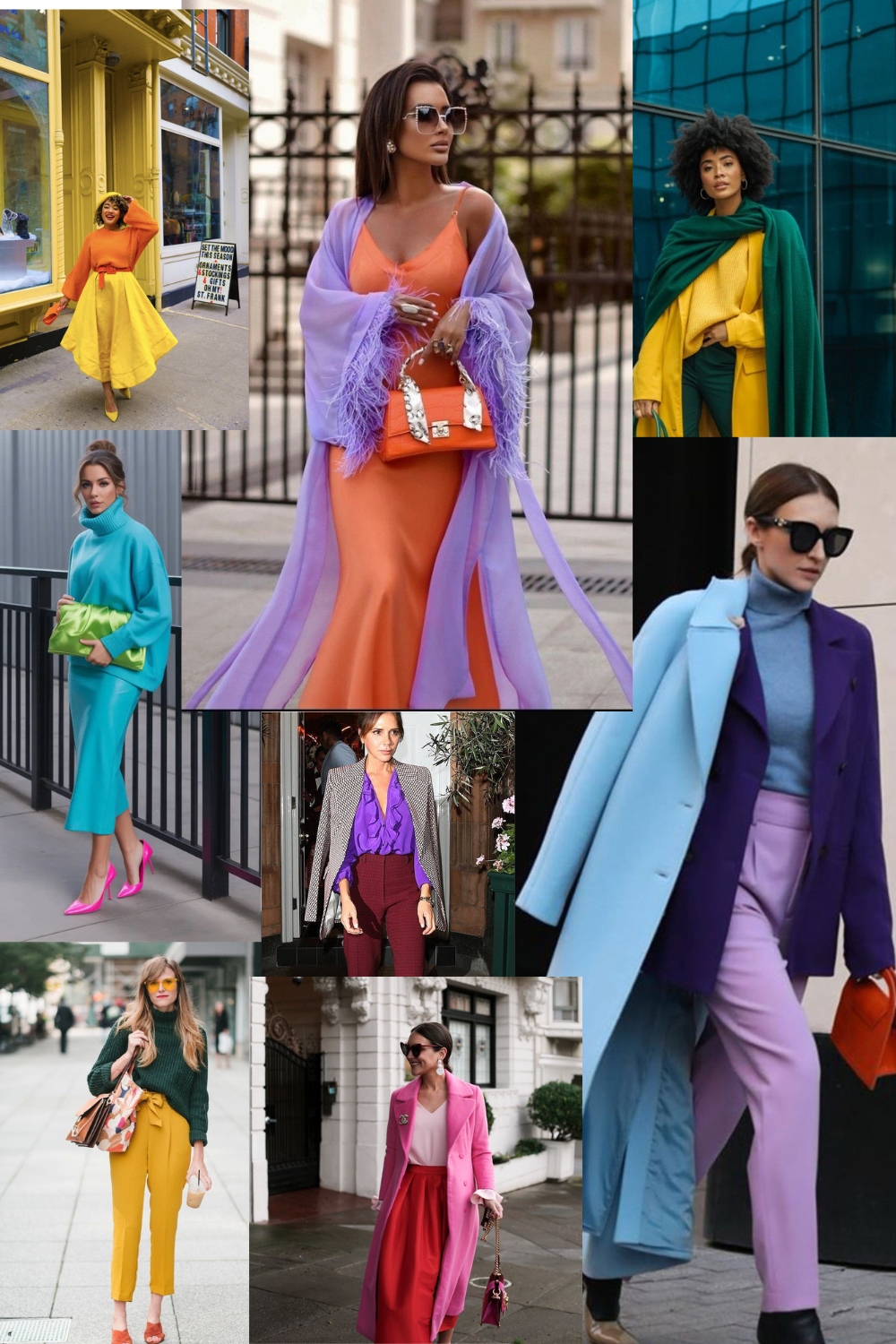
Now, let’s get into another technique that you can use to create outfits from your wardrobe without buying new clothes every week.
Use One Color as an Accent
I don’t know if you’ve already seen my article about matching clothes, but this is where you will learn more about other pairing techniques to always get the perfect, balanced outfits.
Yes, you guessed right – color is just one part of the outfit.
But there are other factors that you should consider when you are creating modern, everyday outfits at any age.
Okay, so our next technique to create outfits is to use one color as an accent.
Using one color as an accent means keeping most of your outfit neutral or calm, and adding a small amount of a stronger color to create focus.
The accent color doesn’t dominate the outfit — it simply draws the eye and adds personality.
Similar to complementary and analogous color techniques, you can use this one to just choose an accessory for your outfit.
Even a small pop of color can make an outfit feel more styled and intentional.
Let’s do some examples;
Accent colors are often added through accessories.
A red bag with a black outfit, cobalt shoes with gray clothing, or a mustard scarf with navy instantly introduces color without making the look too busy.
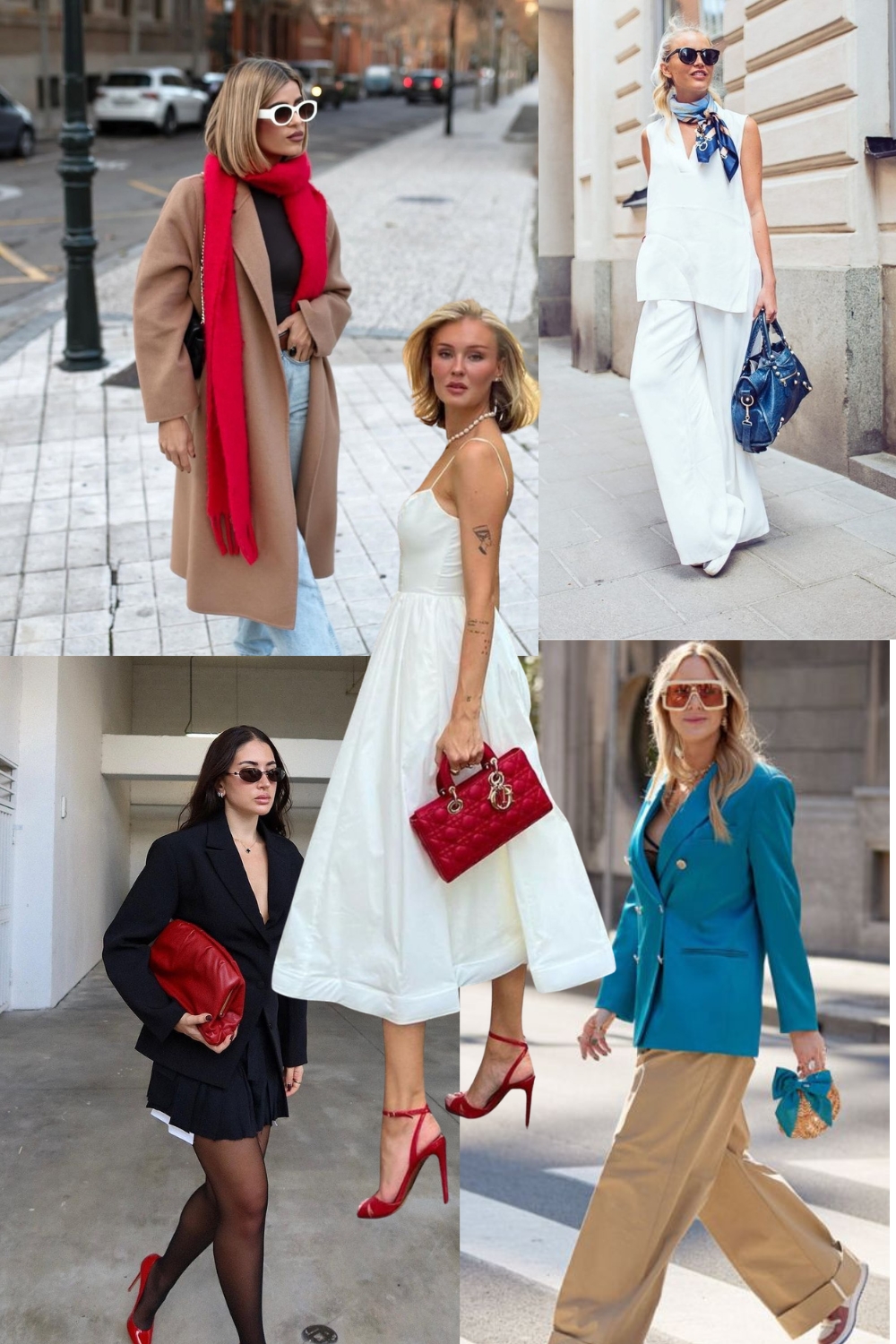
You can also use an accent color in one clothing piece instead of accessories.
For example, a neutral outfit with a single colored sweater, skirt, or coat creates the same effect. Because the rest of the palette is calm, the color becomes the focal point.
This technique allows you to experiment without trying multiple bright pieces. Over time, you can change the accent color while keeping the same neutral base, creating many outfit variations with minimal effort.
Using one color as an accent is one of the easiest ways to introduce color into everyday outfits.
The result feels balanced, polished, and expressive without looking busy.
Balance Bright Colors With Softer Ones
Bright colors naturally draw attention, we know that.
Shades like red, cobalt, hot pink, or emerald have high intensity, so they can easily dominate an outfit. Balancing them with softer colors helps the look feel more wearable and harmonious.
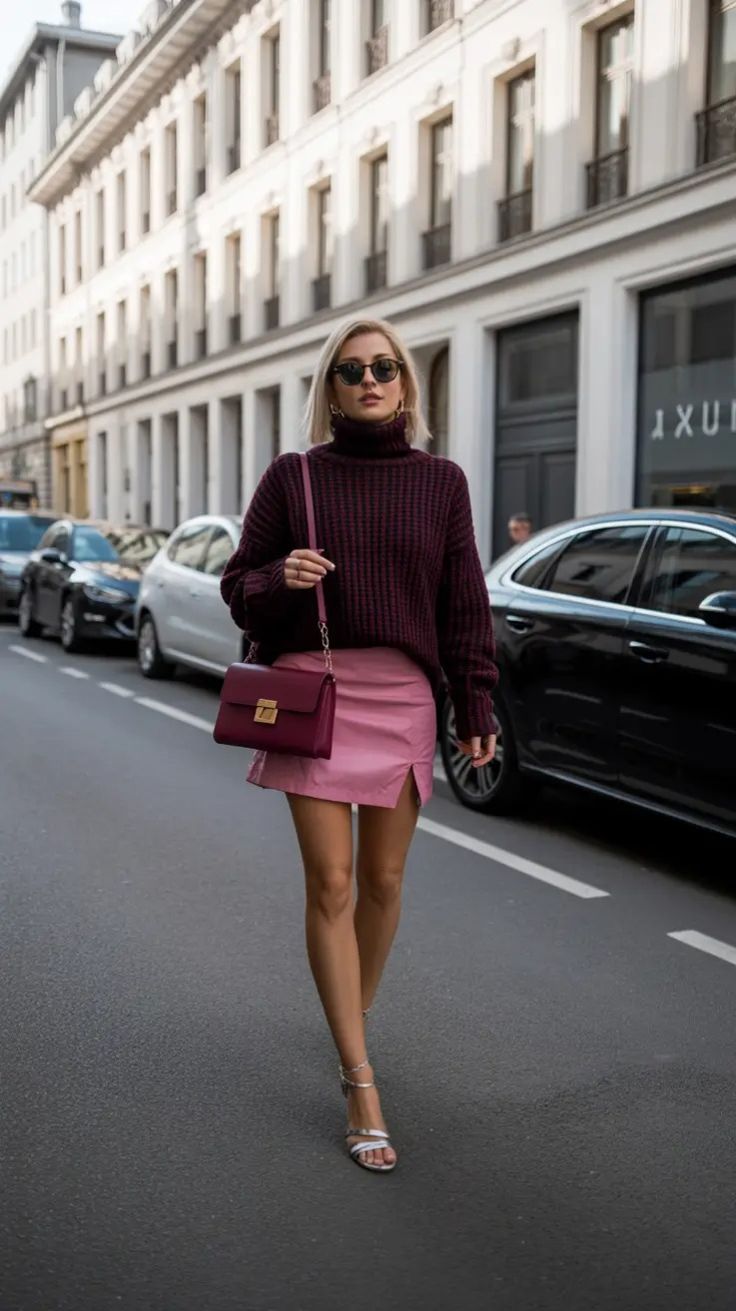
Softer colors include neutrals such as beige, gray, cream, or navy, as well as muted tones like sage, dusty pink, or soft blue. These shades have lower intensity, which can help bright colors to stand out.
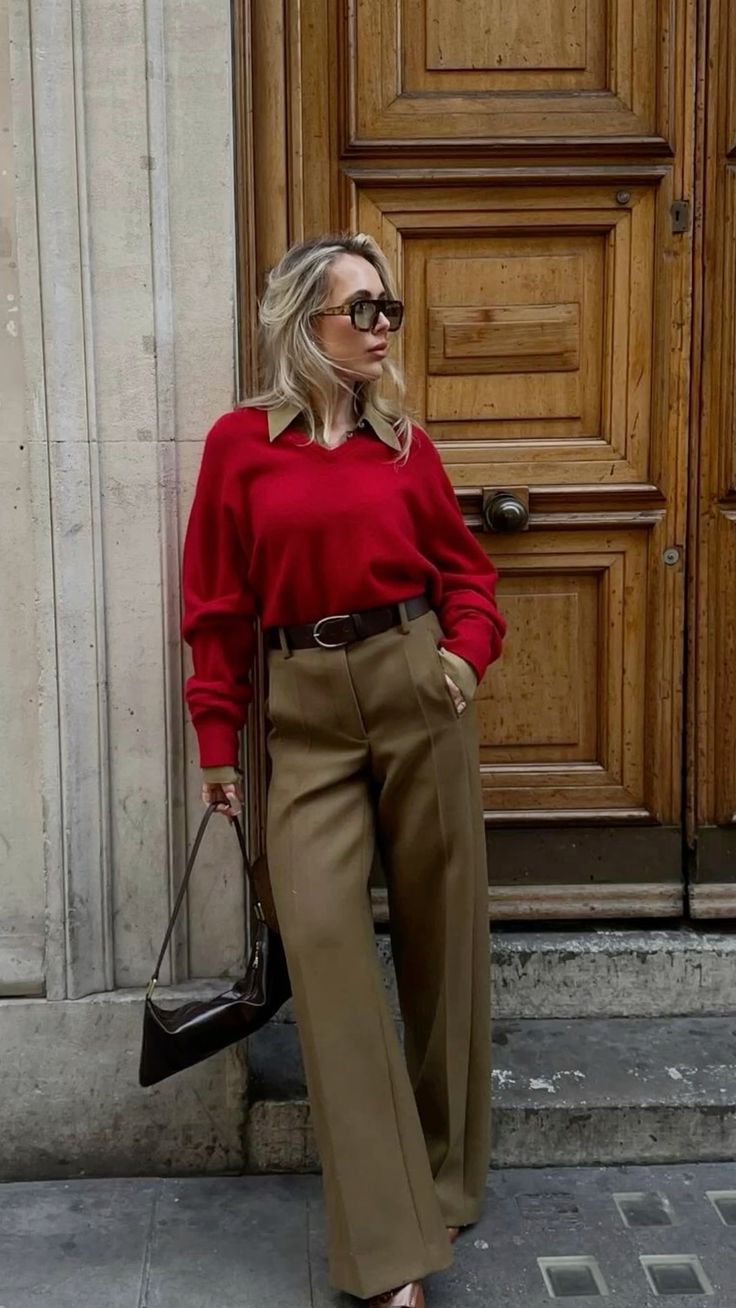
For example, beige trousers with a bright red sweater, or a gray outfit with cobalt shoes. The neutral base keeps the look grounded, while the bright piece becomes the focal point.
You can also pair saturated color with a muted version for the same family.
For example, emerald with sage, or fuchsia with dusty pink. The softer shade echoes the bright one, so the combination still feels cohesive.
Here are a few examples:
Mix Warm and Cool Tones Carefully
You can use warm and cool tones together to create the outfit.
Red, coral, orange, terracotta, rust, peach, yellow, mustard, gold, olive, warm green, camel, tan, warm beige, and chocolate brown are warm colors.
And cool tones are blue, navy, cobalt, teal, turquoise, mint, cool green, emerald, lavender, lilac, violet, plum, burgundy, wine, cool gray, and charcoal.
When you combine warm and cool tones in one outfit, the contrast can look interesting — but it needs balance to feel intentional.
Mixing warm and cool colors works best when one temperature leads, and the other supports it.

For example, a cool navy outfit can look richer with a warm camel coat, or a warm beige outfit can feel fresher with cool gray accessories.
Problems usually happen when warm and cool tones compete equally.
If both are strong and placed side by side, the outfit can feel slightly off or mismatched.
For instance, very warm orange with icy blue can clash unless one of them is softened or reduced. Adjusting the shade — such as using rust instead of bright orange, or navy instead of bright blue — helps them harmonize.
Neutrals are especially helpful when you’re mixing temperatures.
Colors like cream, gray, navy, or taupe sit between warm and cool, so they can connect both sides.
Mixing warm and cool tones adds depth to outfits because it introduces subtle contrast without relying on brightness.
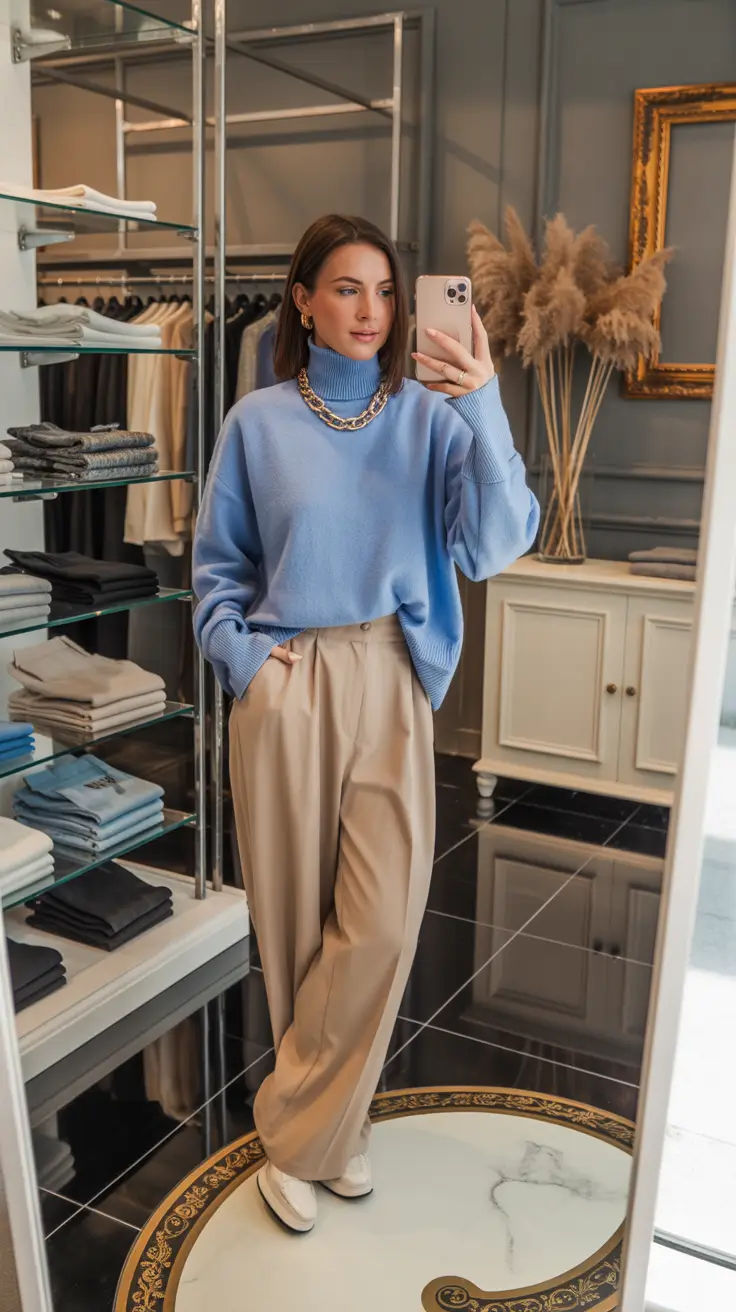
It doesn’t matter which technique you choose to choose color combinations for clothes. You can use a maximum of 2-3 colors in the same look.
Pull Colors From The Print
It’s not a must to always wear solid colors. You can definitely pair printed clothes with solid colors to style an outfit.
Let’s talk about the example:
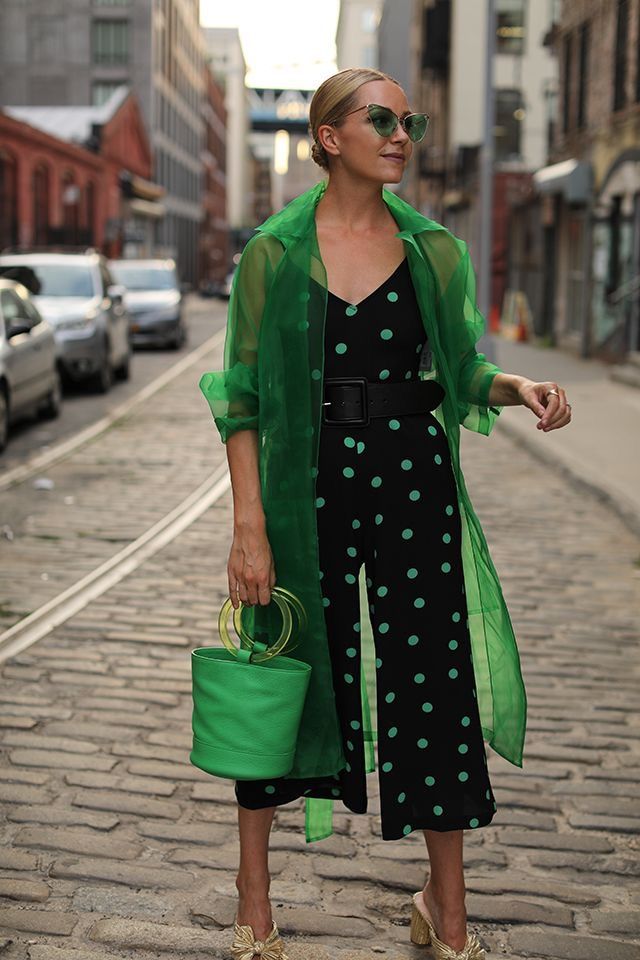
This jumpsuit has green dots, so pairing some green accessories or adding a green layer piece was a perfect decision.
The idea is straightforward — if you’re wearing a print and want to layer the outfit, pick one of the colors in the pattern and use it again in another piece.

That’s all I wanted to share today.
I think this article is the place that won’t leave you with any questions. But still, if you want to say something, you know where you can find me.
Don’t forget to follow me on my Pinterest, Instagram, and Facebook pages. You can always find me there.
Here is my YouTube channel, too, in case you want to watch some exclusive stuff.
